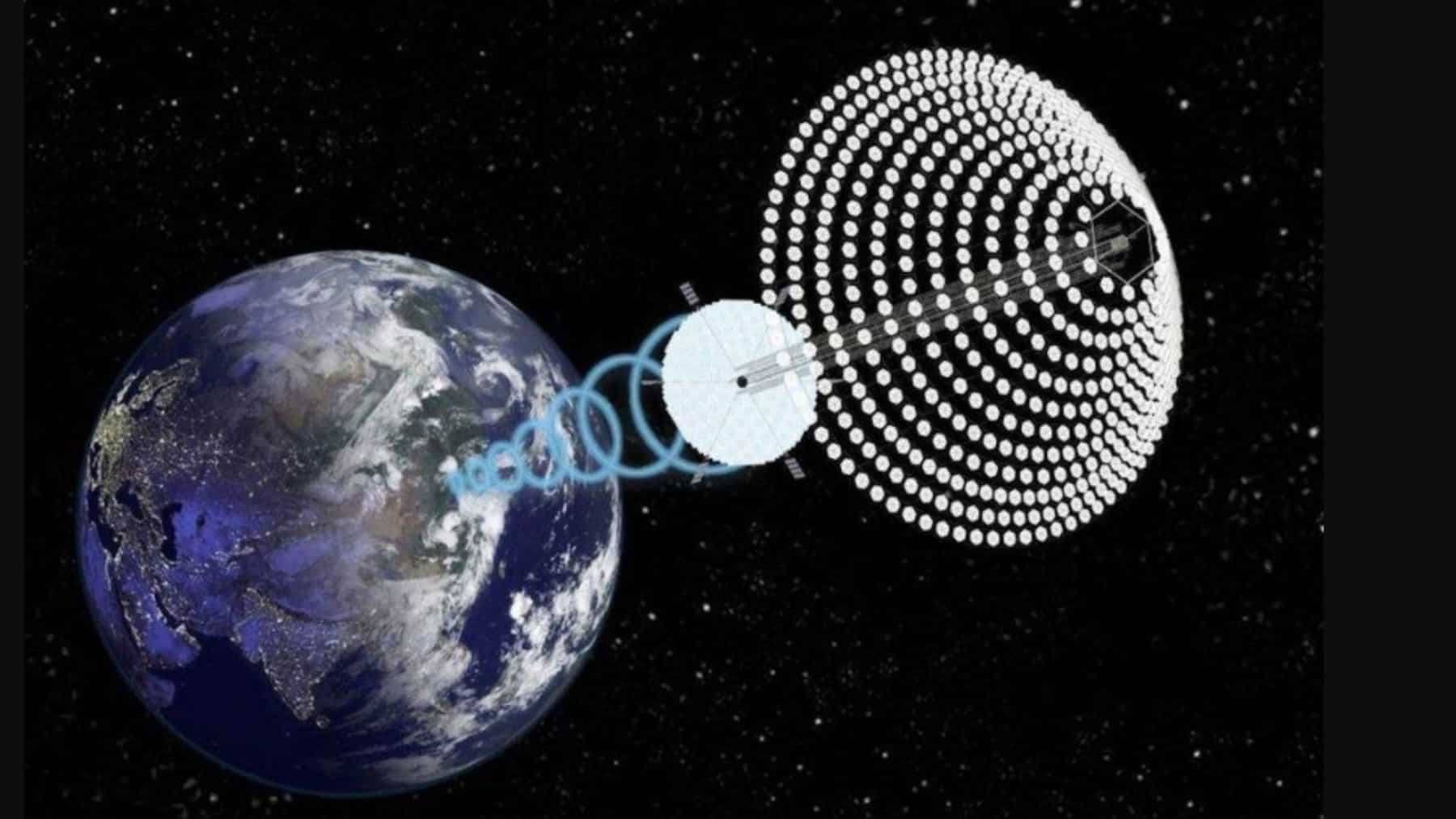
Should we see a kilometer-wide space turbine orbiting, it is a sure sign that China is advancing on its mission to collect sunlight with an impressive solar collector that will shine back on Earth. The project while see a huge solar collector orbiting 36,000 kilometers above our planet, and this above-the-Earth solar promises to be 10 times more efficient than traditional solar panels. Although seen as somewhat of a science fiction idea still, this solar collector vows to make us rethink how we understand futuristic power generation.
Understanding the solar collector in space
The main driving force behind this futuristic solar collector is the Space-Based Solar Power (SBSP). The core idea is to collect solar power in space, as in space, sunlight is not hindered in any way by the clouds and atmospheric dust. Nor is solar power affected by the day-night cycle. The main crux is very simple to grasp; however, the overall premise of powering the system requires deeper analysis.
The solar connector works simply because:
- Solar power is collected due to photovoltaic cells that are 1 kilometer wide, which are said to be fixed above the Earth.
- The collected solar energy gets transformed into microwaves with the use of onboard systems.
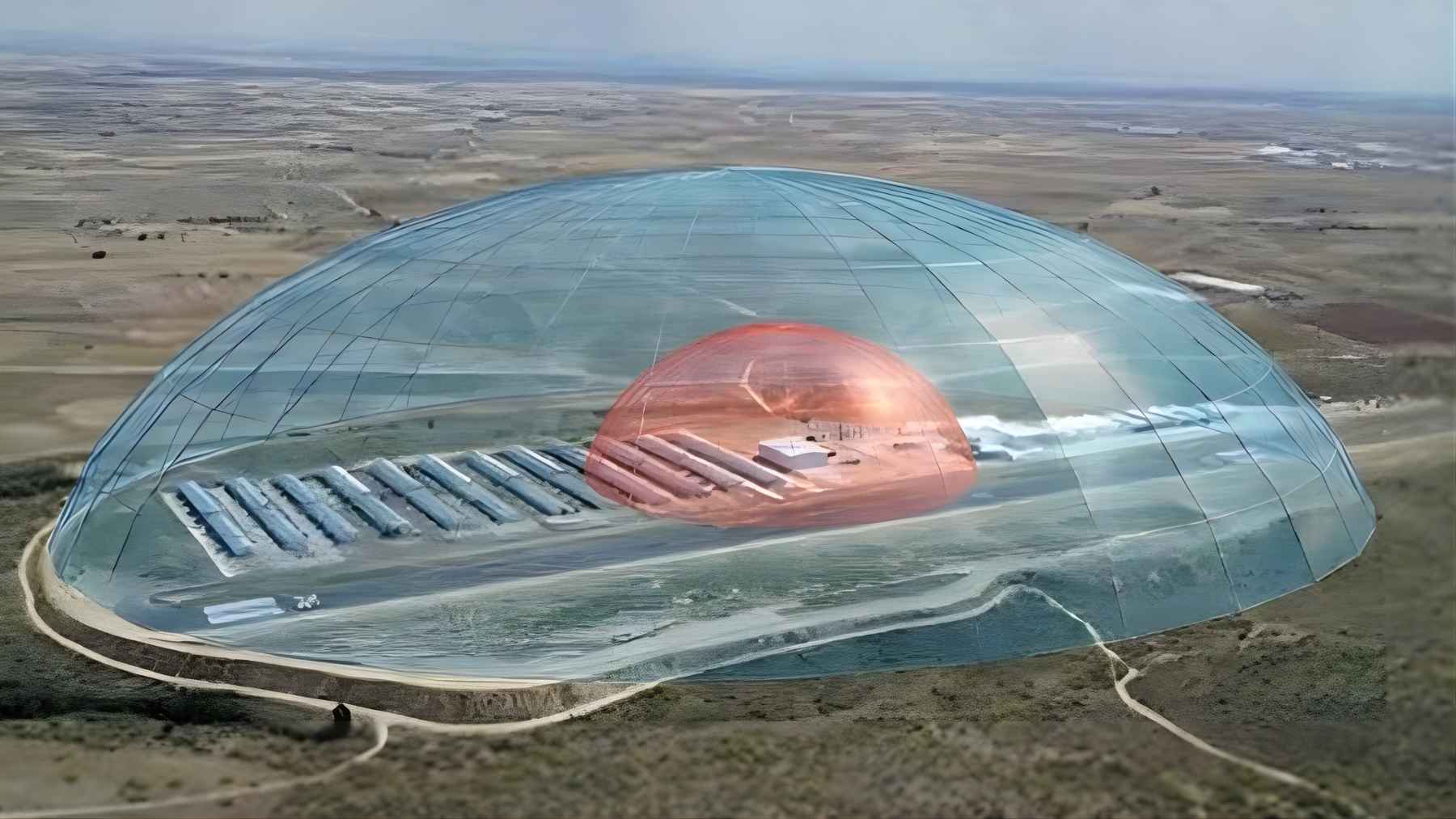
- These microwaves are transmitted back to Earth using rectifying antennas, which in turn convert energy into electricity.
The solar connector is all the more powerful as it has the capability of collecting energy all the time. Working nonstop makes the solar connector all too efficient.
Drawing the connection to projects like the “Three Gorges Dam of Space”
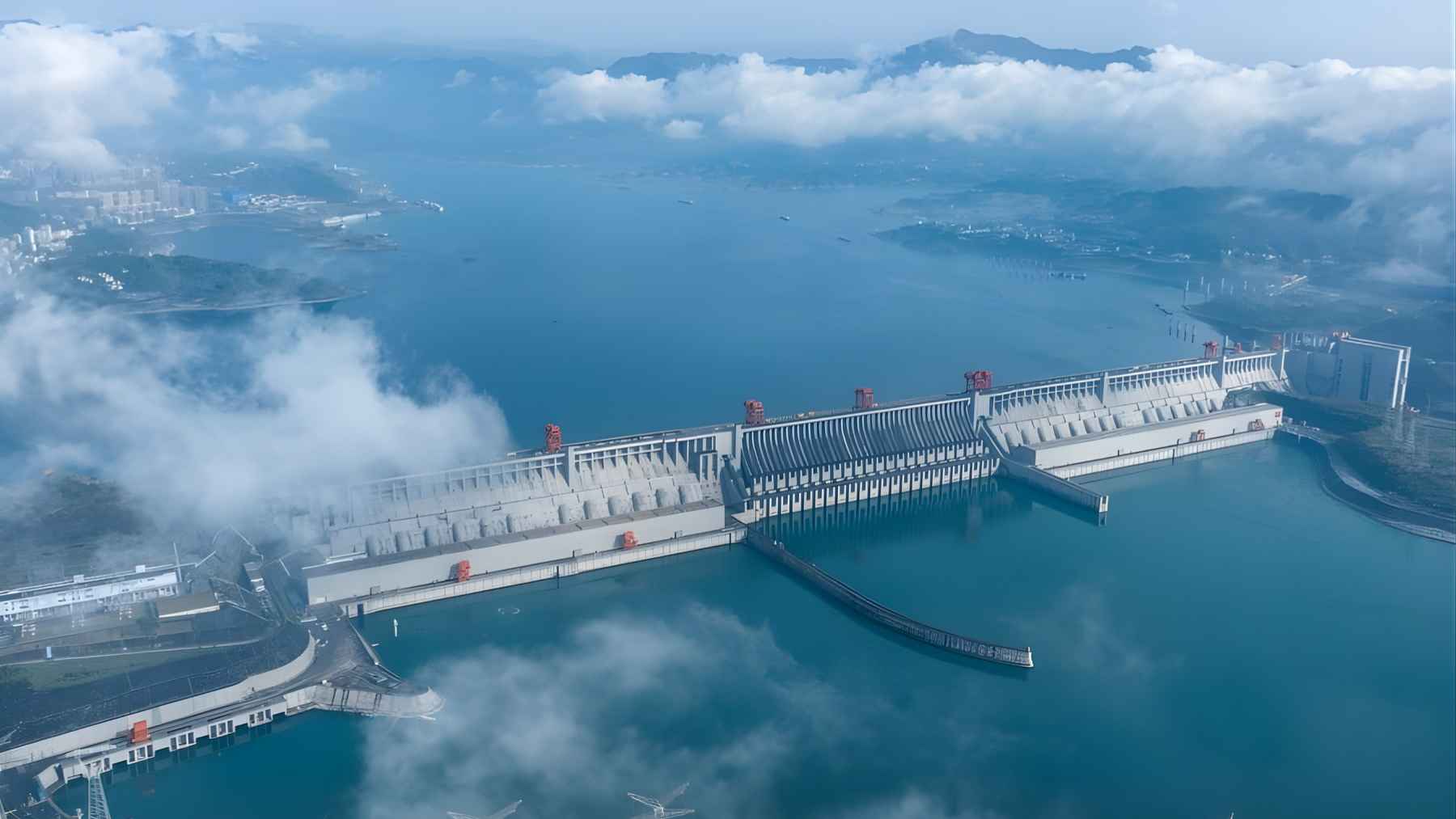
By drawing inspiration from the largest hydroelectric project in the world, called the Three Gorges Dam, China is focusing on a project that can become just as huge. With the Three Gorges Dam project, the focus fell on hydroelectric output. For this particular project, the focal point is solar power output.
Long Lehao, a senior rocket scientist and core member of the Chinese Academy of Engineering, mentioned that the ultimate focus was to create a solar power station in space.
According to estimates, the project will be able to generate much solar energy, pushing forward the agenda of energy independence rather than just reliance on renewable energy. Should China succeed in mimicking the Three Gorges Dam project, reaching climate objectives and ensuring economic stability will be on the cards for China and beyond.
America, too, is trying to replicate the Three Gorges Dam project by converting water into energy, but China is pushing forward with the mission of harnessing energy without limitations.
The considerable advantages of this Space-Based Solar Power (SBSP) endeavor
While China focused on other projects that were not the Three Gorges project, the project could mean that renewable energy will become a highly reliable power source for all. The project will further focus on a few beneficial aspects, such as:
- Ensuring 10 times more efficient power collection than solar panels on Earth.
- Continuous energy production irrespective of the time of day or night.
- This solar power will eventually be allowed to provide power globally while serving remote areas as well.
Still in its early stages, development efforts are being made to ensure that operations will be pursued. The hurdle is that critics have speculated there are safety, economic, and geopolitical concerns related to using microwave transmissions that are central to this mission. However, these concerns seem not to hold much weight since Chinese scientists have indicated that beams are safe and have no effect on the surrounding environment. The look and functioning of solar panels may have just changed for good from those traditional rooftop solar panels to orbiting panels in space.