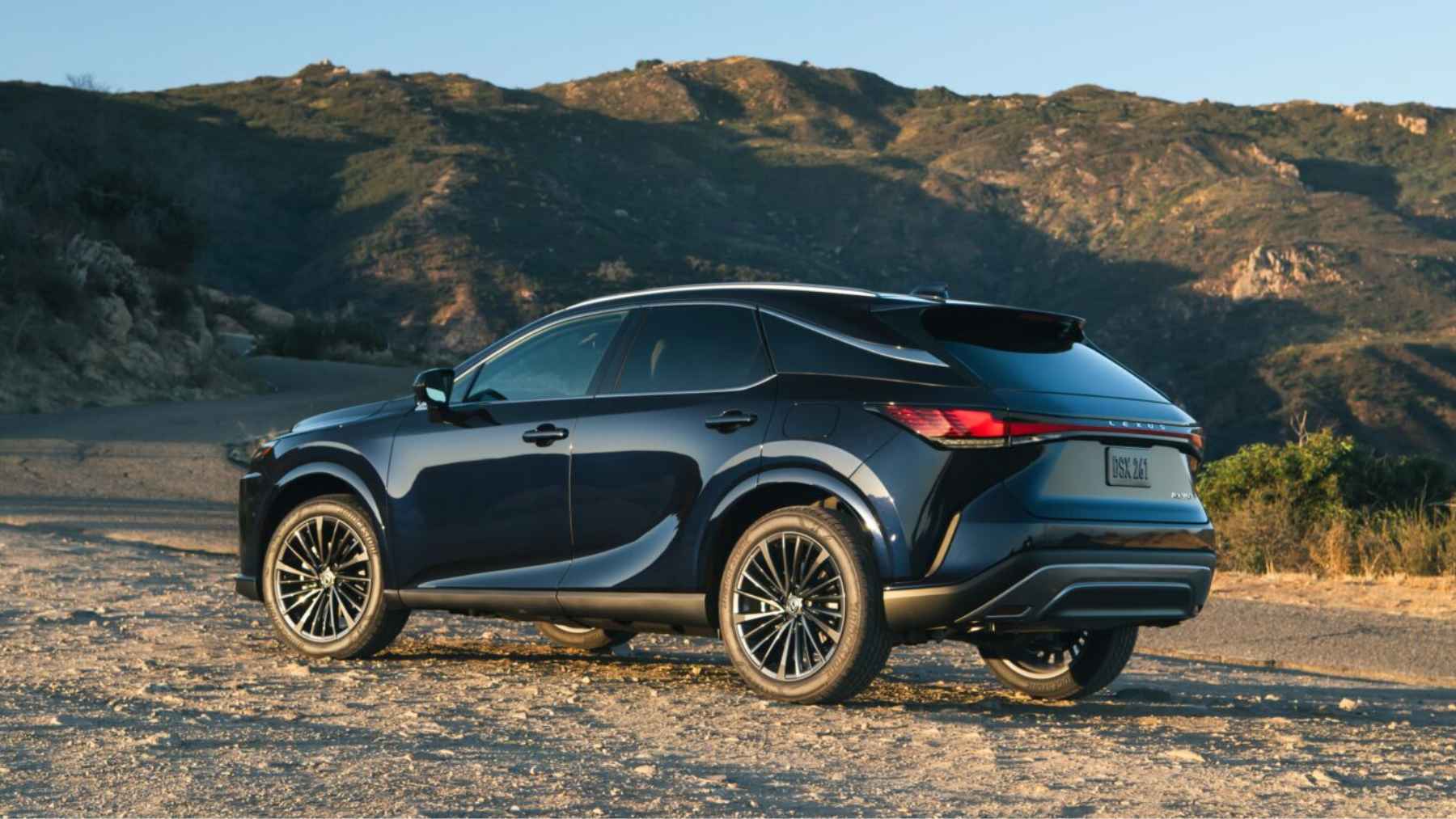
Self-driving vehicles are becoming closer to a reality than we may think. In the past century, developments in transportation have been exponential, from seeing the first motor cars become widespread on the roads to seeing the first humans land on the moon. Today, the current focus of the automobile world has been largely focused on developing alternative engine solutions in order to achieve carbon-neutrality. However, the focus is now shifting towards autonomous vehicle solutions.
The shift beyond the alternative engine solution
The past decade, in particular, has seen the rise of alternative engine solutions, with automobile companies pushing to showcase their advanced alternative engine solutions models to demonstrate to consumers their commitment towards sustainability as well as to compete with the dominance of electric vehicle company Tesla. With Tesla’s release of their first electric engine solutions in the early 2010s, the company saw widespread overnight success, kick-starting the automobile industry to begin taking these innovations seriously.
Part of Tesla’s dominance over the electric vehicle world until recently is due to not only their advanced battery engine technology, but also because the company was able to sway public perception of the electric vehicle from purely being an environmental objective to coming to see the electric engine as a representation of both futuristic technology and luxury vehicle design.
However, with nearly every major automobile company now offering some form of electric engine model, coupled with the industry grappling with making these vehicles more widespread by expanding supporting infrastructure, automobile companies have looked towards other futuristic technologies to expand their product lineup, and autonomous driving technologies have emerged as the most desirable concept among developers.
Understanding self-driving beyond Tesla and BYD
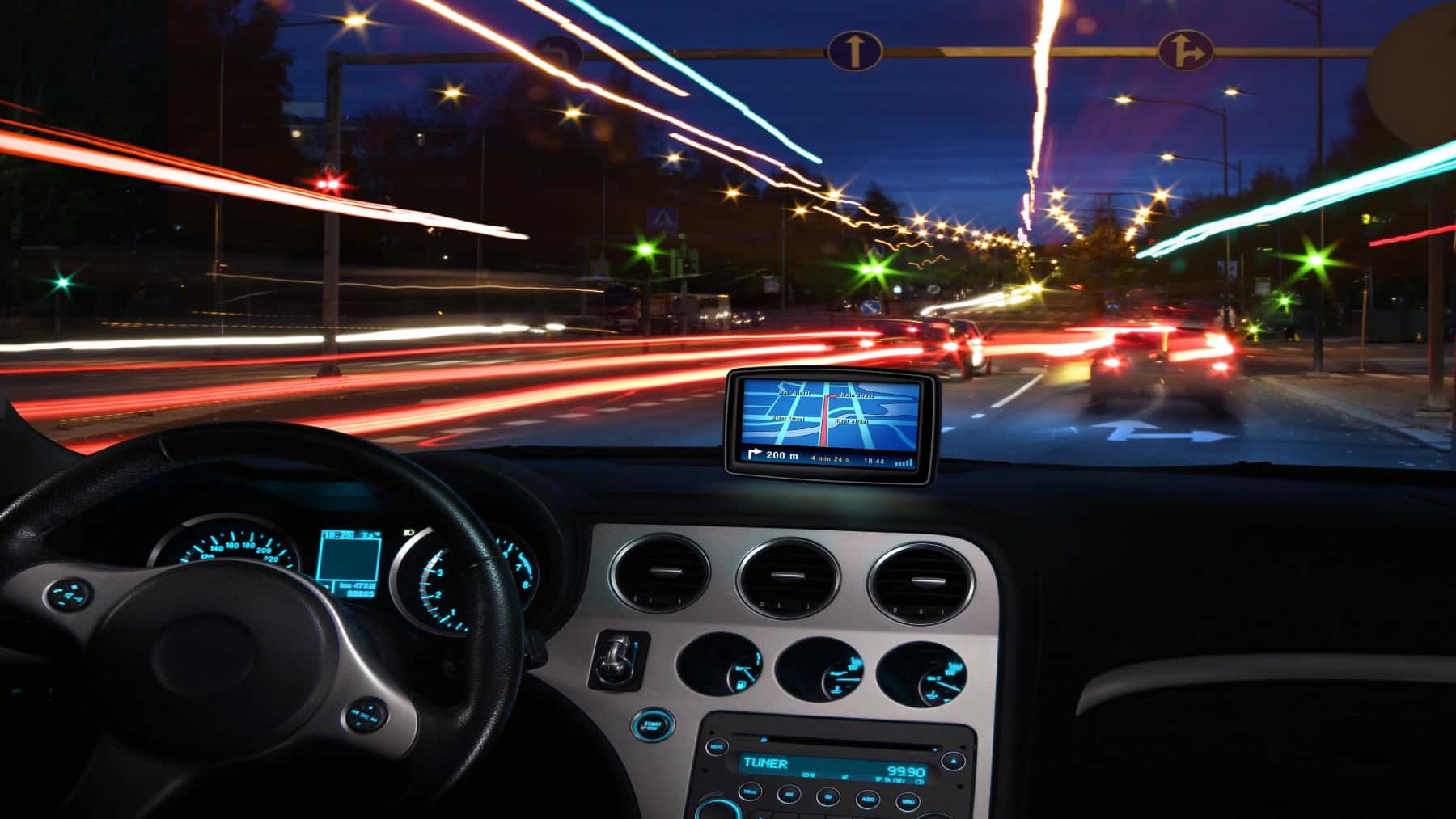
Currently, self-driving technologies that are on the road today are limited to Level 2 autonomous driving technologies, with Tesla and BYD competing for dominance by offering consumers the best of these. There are five levels of self-driving technologies:
- Level 1 – Driver Assistance
- Level 2 – Partial Driver Assistance
- Level 3 – Conditional Driving Automation
- Level 4 – High Driving Automation
- Level 5 – Full Driving Automation
In essence, levels one and two still require active human participation, with the driver still held legally responsible for any accidents incurred on the roads. At these levels, the self-driving capabilities of the vehicles are considered to be features of driver support. Levels three to five, however, require no human participation. At level five, these vehicles will not even include a steering wheel, as human driver participation will not even be possible with these vehicles fully operating on their own.
The future of self-driving vehicles
Today, BYD is emerging as a strong contender in terms of dominance over the autonomous vehicle world, releasing models that include this technology at a more affordable entry-level rate compared to Tesla, which was one of the first to put semi-autonomous driving solutions on the road with its Autopilot and Full Self-Driving (Supervised) technologies.
However, Tesla is currently underway with piloting their ‘Robotaxi’ cybercab program in Austin, Texas. These ride-sharing vehicles are considered to be level four vehicles, whereby full self-driving mode without active driver participation is limited to what is referred to as ‘geo-fenced’ areas, where the cars are able to operate using highly detailed HD maps and under weather-permitting conditions.
However, despite progress regarding the piloting of these projects by Tesla and competitors, actually seeing these vehicles become a reality will require the vehicles to pass several regulatory requirements, with stakeholders needing to prepare legislation that details the ethical conduct of using these vehicles. Due to these anticipated roadblocks, it may be some time before we see a level five vehicle hitting the road; however, increasingly advanced autonomous driving is looking closer than we think.