We know that mankind´s pollution is destroying the planet. But how much damage have we done to our ecosystems since we started? They have found a historical record at the bottom of the sea; it has life in it, and now they are trying to get to it to investigate.
The pollution of the seas is getting worse: how they have become a dumping site
Every year, literally tons of wasteland is in the ocean, creating a deadly soup that destroys marine life and entire ecosystems. Coveted by humanity for centuries, the seas have become a repository of human garbage that washes into them, from discarded plastics to chemical runoff from farming; everything pollutes, killing off marine life and threatening vital systems.
As our National Oceanic and Atmospheric Administration states, pollutants such as oil spills or wastewater containing fertilizer add to threats to coastal habitats under harmful influence from plastic pollution and chemical contamination.
The proliferation of microplastics, in particular, has sent scientists into panic mode as the small particles penetrate prey organisms and destroy entire food webs. A notable instance of this environmental crisis is the Pacific Garbage Patch.
All this is the Great Pacific Garbage Patch – a vast mass of floating debris and plastic that serves as a chilling reminder to how lightly homo sapiens treats at her seas. Though countries have made significant strides toward curbing plastic pollution on an international level, the process has been painfully slow as many other nations ignore this problem without considering actions to solve it.
The record that betrays the pollution of humanity: it is at the bottom of the sea and it has life
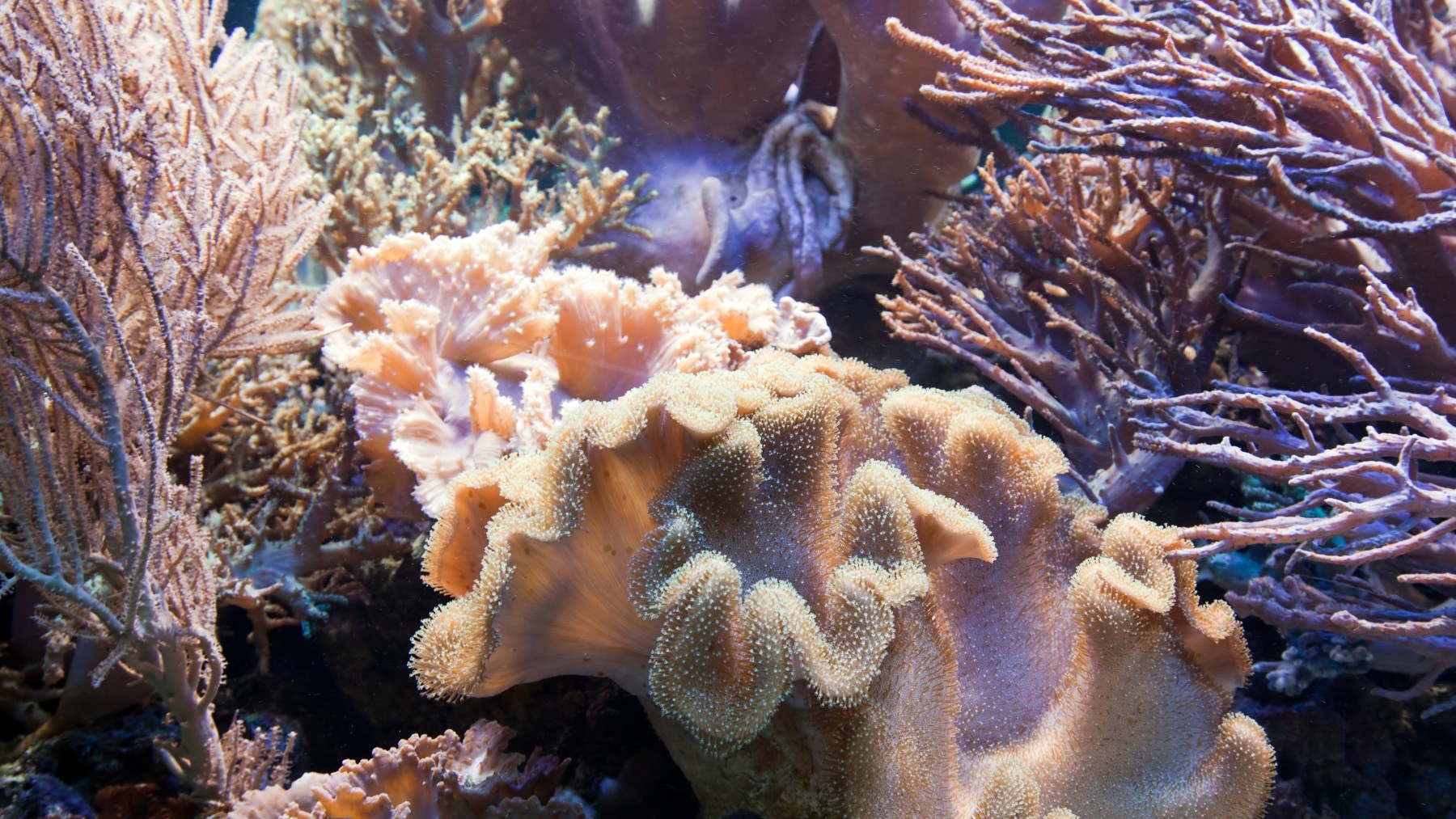
The discovery has revealed a new perspective on how far impact humans have had upon their oceans with the stationary sea of sponges acting as unlikely sentinals for environmental changes. By quietly documenting decades of sea temperature, these unobtrusive dwelling swimmers about the abyssal Caribbean basin.
As experts suggest, they give valuable information about the long-range impact of climate change. Through analyzing the skeletal remains of Caribbean Sea sponges, scientists have been able to recreate historical climate with unbelievable precision.
The results obtained indicate that the planet may have been considerably warmer than was thought, evidence given by industrialization having left an irreducible imprint on climate long before development of modern temperature recording methods.
Nevertheless, we have a problem to handle, which is that this kind of record has grave damage. Precisely ecosystems exist to be held, not as a thing we keep on taking sponges from and seek answers of how much is our pollution.
How can sea sponges reveal how much we have polluted?
This provides a revision of the popular opinion on pre-industrial ambient temperatures and the levels to which humans could have influenced climate. By carefully studying the skeletons of sea sponges, scientists can analyze climatic fluctuations in times past and gain valuable information about what drives contemporary climate change.
Thus, every single layer of calcified skeleton that sea sponges offer us to make out a mutilated past brings valuable clues about the future evolution. When trying to cope with the tangible evidence of climate change, these tiny animals also stand as a warning that they utilise us all in our challenge of being preserved healthy for generations ahead.
Finding a record that reveals a balance sheet on the pollution of humanity is not at all pleasant. The truth is that coming face to face with the damage we have done to the planet will make us reflect. A living being that, apparently, has no capacity to think, has left in evidence one that stands out for doing so.