Ecuador has brought 368 megawatts of hydropower back into service after intensive maintenance at the Agoyán and San Francisco plants, a boost that arrives just as the country continues to recover from a deep electricity crisis driven by drought.
For people worried about surprise blackouts or checking a rising electric bill, that number is not just a technical detail. It represents a meaningful slice of clean generation in a system that still leans heavily on water. Officials from the Ministry of Environment and Energy say the country’s energy matrix is supplied about 72% by hydropower.
What changed at Agoyán and San Francisco?
According to the government, the January works at the Agoyán and San Francisco hydroelectric stations followed a technical plan prepared in advance by Corporación Eléctrica del Ecuador (CELEC EP) and coordinated with the national grid operator CENACE.
The idea was simple enough. Carry out preventive and corrective maintenance at the moment of least impact so that homes and businesses would not see their power cut while key equipment was offline.
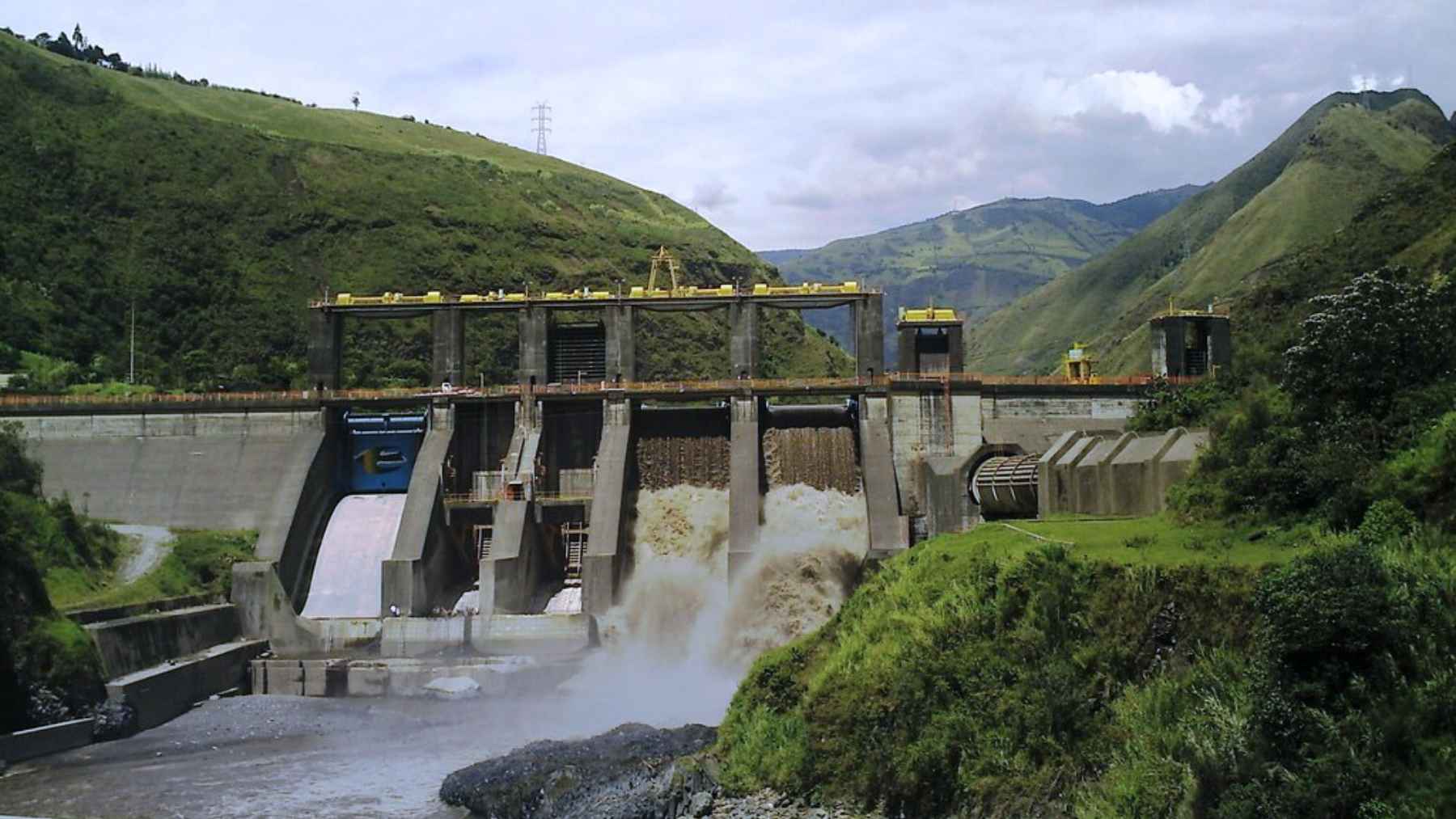
Between January 16 and 26, specialized teams worked on turbines, control systems, and other strategic components, some of which have been in service for more than thirty eight years. Two generation units at the Agoyán plant, located near Baños de Agua Santa on the Pastaza River, are now back in operation with a combined installed capacity of 156 MW.
At the San Francisco plant in the same province of Tungurahua, one unit has already rejoined the grid and another is scheduled to return at the end of January. Once both are available, the Agoyán and San Francisco complex will contribute a total of 368 MW to the National Interconnected System.
Why 368 MW matters for everyday life
On paper, 368 MW may look like just another line in an energy report. In practice, it is roughly 9% of a typical recent daily peak demand of around 4,060 MW, based on early 2026 figures cited by independent analysts and Cenace data. That is the kind of margin that can spell the difference between keeping the lights on or scheduling another round of rotating cuts when something goes wrong.
People in Ecuador have fresh memories of those cuts. In 2024, prolonged drought across key river basins forced the government to apply planned blackouts that in some cases lasted up to twelve hours a day. Hydroelectric output from complexes such as Paute and Coca Codo Sinclair dropped sharply, and the ministry openly warned that rationing was needed to protect dwindling water reserves.
When your fridge is off for half the day and traffic lights fail on the way to work, the term “capacity factor” suddenly feels very real. That is why recovering every block of reliable hydropower matters.
A hydropower giant facing climate stress
Hydroelectric plants still provide close to 70% of Ecuador’s electricity in a normal year. Hydropower is low carbon compared with diesel or fuel oil, which means plants like Agoyán and San Francisco help keep national emissions down while supplying the grid around the clock. At the end of the day, they are a central piece of the country’s climate strategy.
Yet this model has a weak point. When rainfall drops, the entire system feels it. Government briefings during the 2024 emergency acknowledged that the country faces the worst hydrological deficit in decades and that planned outages were being used to “preserve water reserves” in major reservoirs. Climate variability, amplified by phenomena such as El Niño, makes that vulnerability more acute.
So the January maintenance works are not just routine engineering. They are part of a broader effort to keep existing renewable assets as efficient and dependable as possible in a changing climate. Preventive repairs extend the life of older turbines and spillways. They also reduce the risk of sudden failures that would push the system back toward expensive thermal plants that burn fossil fuels.
Keeping hydropower truly “green”
There is another side to the story. Environmental researchers in Ecuador have warned that poorly-planned dams can damage rivers, fish populations, and local communities. Case studies around projects such as Manduriacu or the changes in the Coca River show that sediment management, fish passage, and social compensation are all essential if hydropower is to stay compatible with conservation goals.
That is why maintenance windows like the one at Agoyán and San Francisco are a chance not only to fix mechanical parts, but also to check safety systems, monitor river flows, and update environmental measures. Keeping older plants in good condition can help avoid the need for new dams in sensitive areas, which often face strong opposition from residents and scientists.
A small but important step toward a steadier grid
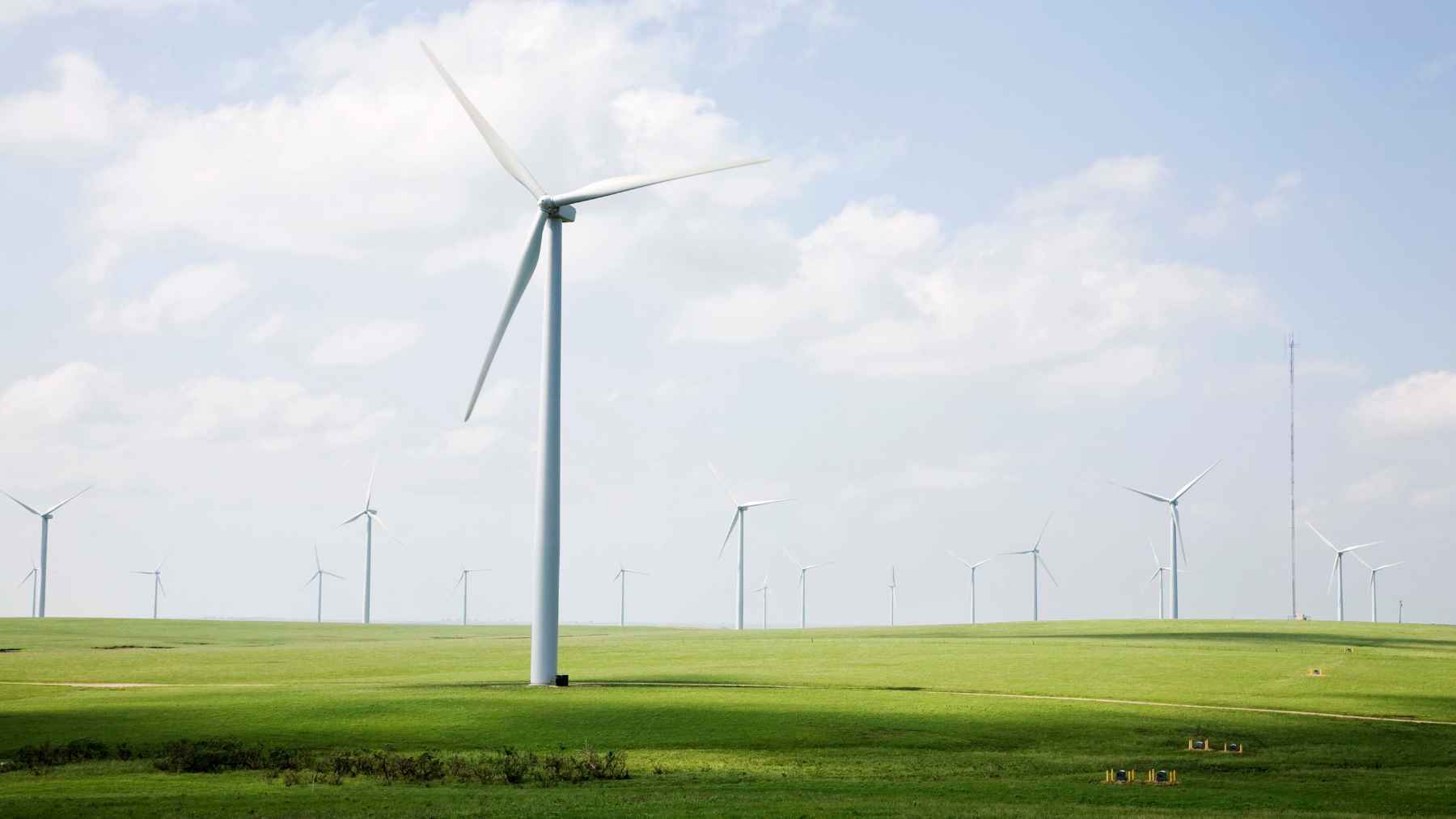
For most people, the real test will be simple. When the next dry season arrives, will the fan still run in that sticky afternoon heat, and will shops be able to stay open without resorting to noisy diesel generators. Restoring 368 MW of hydropower capacity on aging but strategic dams will not solve every challenge in Ecuador’s energy transition, and experts continue to call for more diversification into wind, solar, and storage.
But it is a concrete step that strengthens a water dependent grid, reduces the likelihood of extreme rationing, and buys time for deeper reforms.
The press release was published by the Ministerio de Ambiente y Energía.