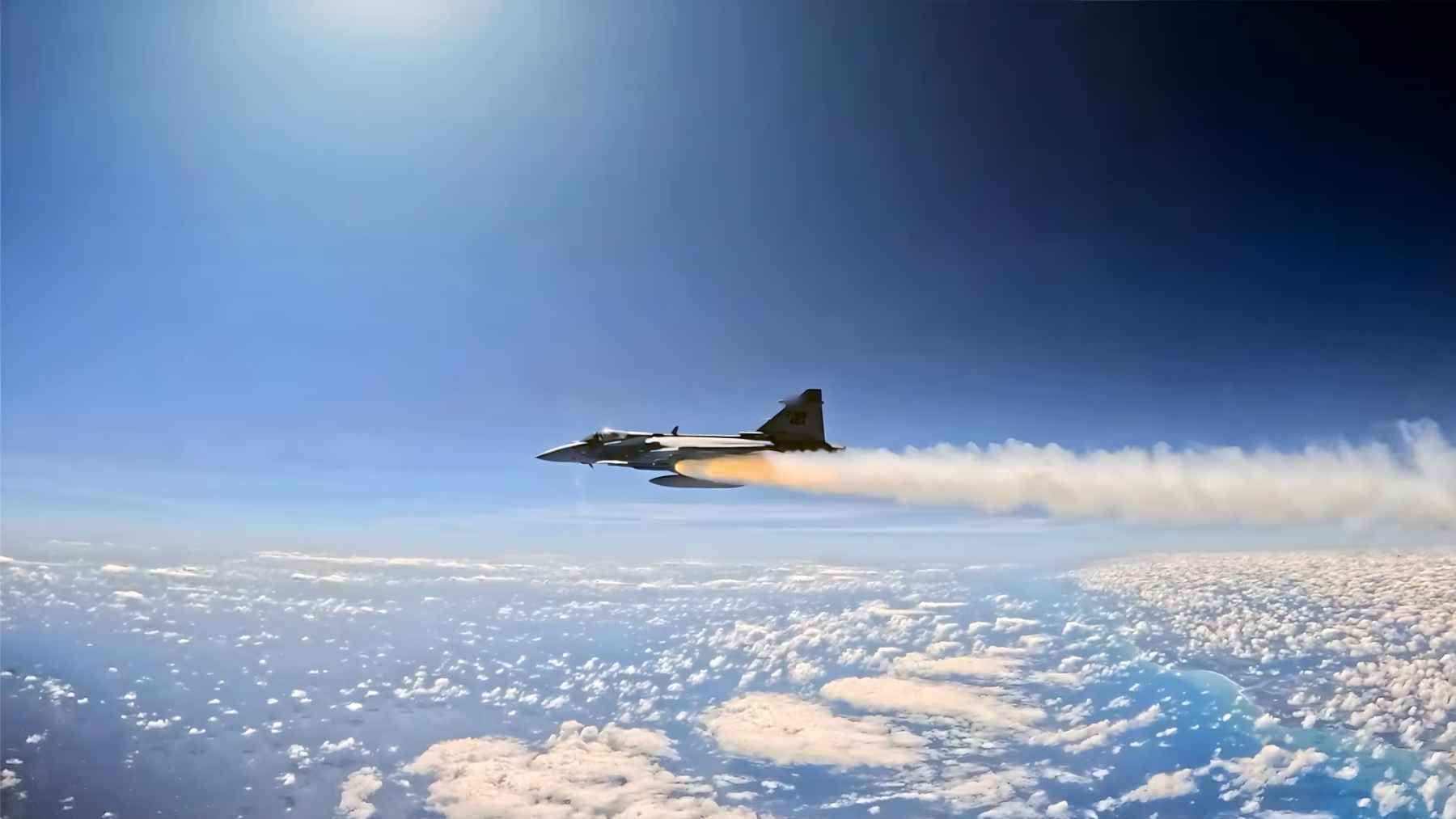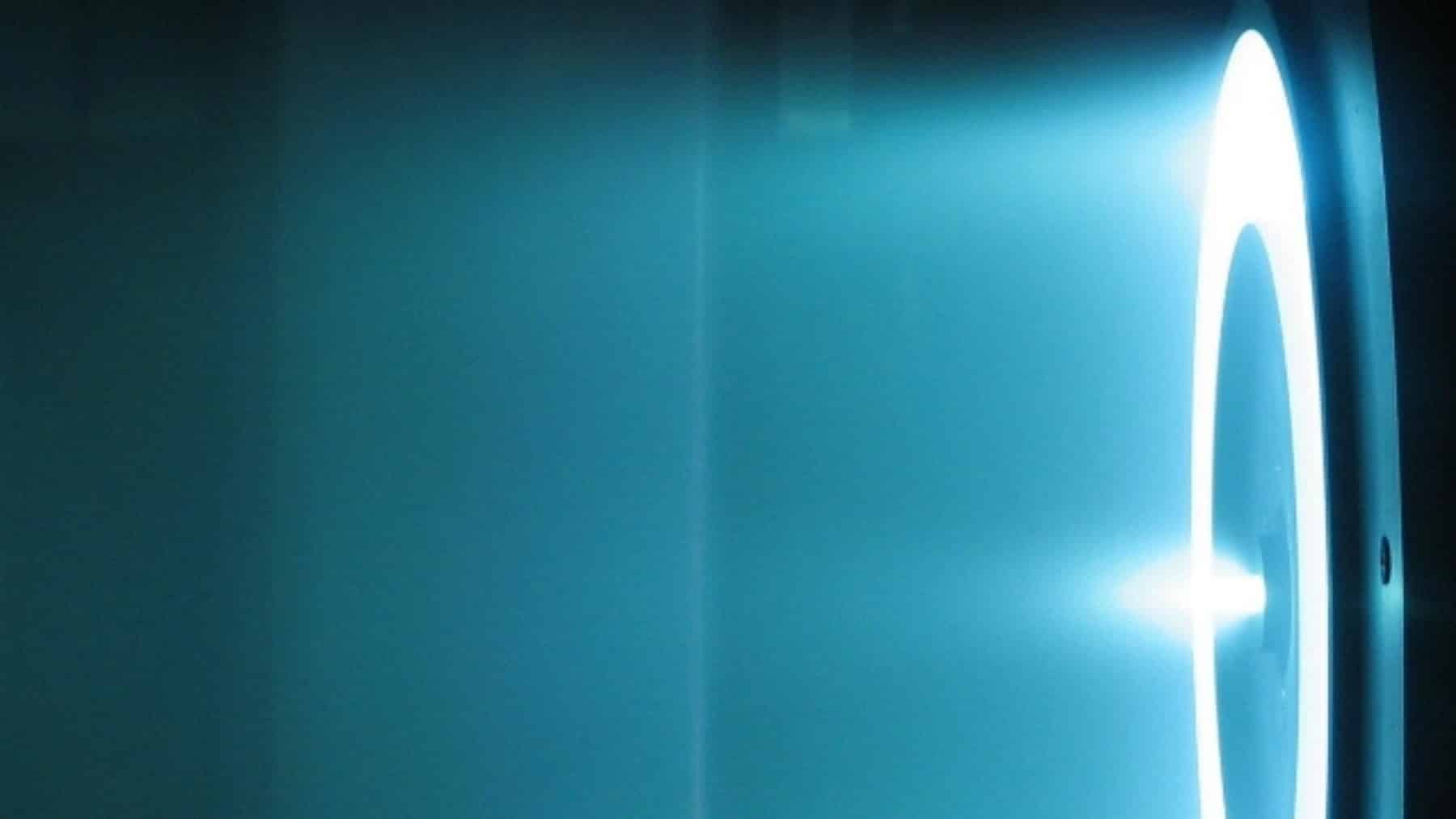
NASA may have just introduced a groundbreaking contender in the race to revolutionize global fuel. Contradictory to popular belief, the fuel is not hydrogen, nor is it electricity, and not nuclear fusion. On their mission to introduce the perfect fuel, this space agency is backing a high-tech innovation that uses plasma-assisted combustion, a way to possibly reimagine space travel and a new way to power jets of the future. NASA in partnership with FGC Plasma Solutions focuses on offering clean energy set to turn heads in the aerospace and energy industries.
Introducing plasma-assisted combustion
The core focus in terms of plasma-assisted combustion is reimaging combustion. Jet engines lean towards and rely on lean direct injection (LDI) combustors meant to reduce emissions by using a lean fuel-air mixture. This method often leads to noise, inefficiency, and potentially even engine damage.
NASA alongside FGC Plasma Solutions have redefined the wheel by creating a plasma-assisted LDI combustor. The premise is to inject controlled bursts of plasma into the combustion chamber. The plasma’s discharges stabilize the flame and impacts chemical reactions resulting in consistent and effective burning of fuel.
Plasma is known for its ability to act quickly whilst influencing combustion dynamics that have been shown in many experiments. The central focus is showing how effective plasma-assisted combustion is in the real world.
Advantages of plasma combustion
The good news is that plasma-assisted combustion has advantages beyond the realm of aviation. This technology shows potential when it comes to:
- Rocket propulsion: Improving ignition reliability as well as combustion control leading to environmentally friendly alternatives to traditional fuel.
- Supersonic and hypersonic transport: The flame control offered by plasma makes it perfect for aircrafts traveling fast.
- Power generation: The hope is that gas turbines used for electricity productions could see better fuel flexibility and reduced emissions thanks to plasma technoloy.
When it comes to plasma combustion, one automatically thinks of low emissions and better reliability.
Plasma-assisted approach and its future
The plasma-assisted combustion approach is set apart as it leverages existing fuel types making the fuel types burn better, cleaner and more intelligently.
With all emerging technological advances, challenges are part of the deal. The plasma-assisted combustion is no exception. Scalability is the greatest challenge of this approach. Despite promising results coming to the fore in more controlled settings, commercializing the system requires more intensive testing and funding.
Success in terms of NASA’s combustor’s behavior at both atmospheric and high-pressure conditions would take the risk out of using plasma-assisted combustion technology and would appeal to engine manufacturers. A new era of low-compact emission and flexible fuel combustion systems is coming to the fore. While plasma-assisted combustion is an impactful fuel, there is still a mystery surrounding nuclear fusion and why no brand has dared to create it.
Adding nuclear fusion to the flame
While searching for the ideal fuel, partners NASA and FGC Plasma Solutions have uncovered not the perfect fuel itself, but an innovative and transformative way to make the most of existing fuels in a cleaner and clearly more efficient way. Plasma-assisted combustion for most may not be so mesmerizing or have the flash of electric cars but is still impactful and significant.
NASA is devoted to doing more than just upgrading jet engines, it is considering rethinking combustion at its very root. If successful in their new mission, NASA and FGC Plasma Solutions could be fueling the future of aviation with smarter flame control to ensure energy with less emissions and smaller engines.
Perhaps nuclear fusion is not perfect fuel after all. China has already come too far with nuclear fusion in a huge laser project set to master the global energy, but can China compete with NASA’s plasma-assisted combustion suggestion.