NASA is already moving its giant rocket to platform 39B, and the manned return to the Moon begins with a 4-mile journey at walking pace
If you looked up at the night sky this weekend and felt a little thrill, you were not alone. At Florida’s Kennedy Space Center, NASA has started one of the last big steps before sending humans around the Moon again.
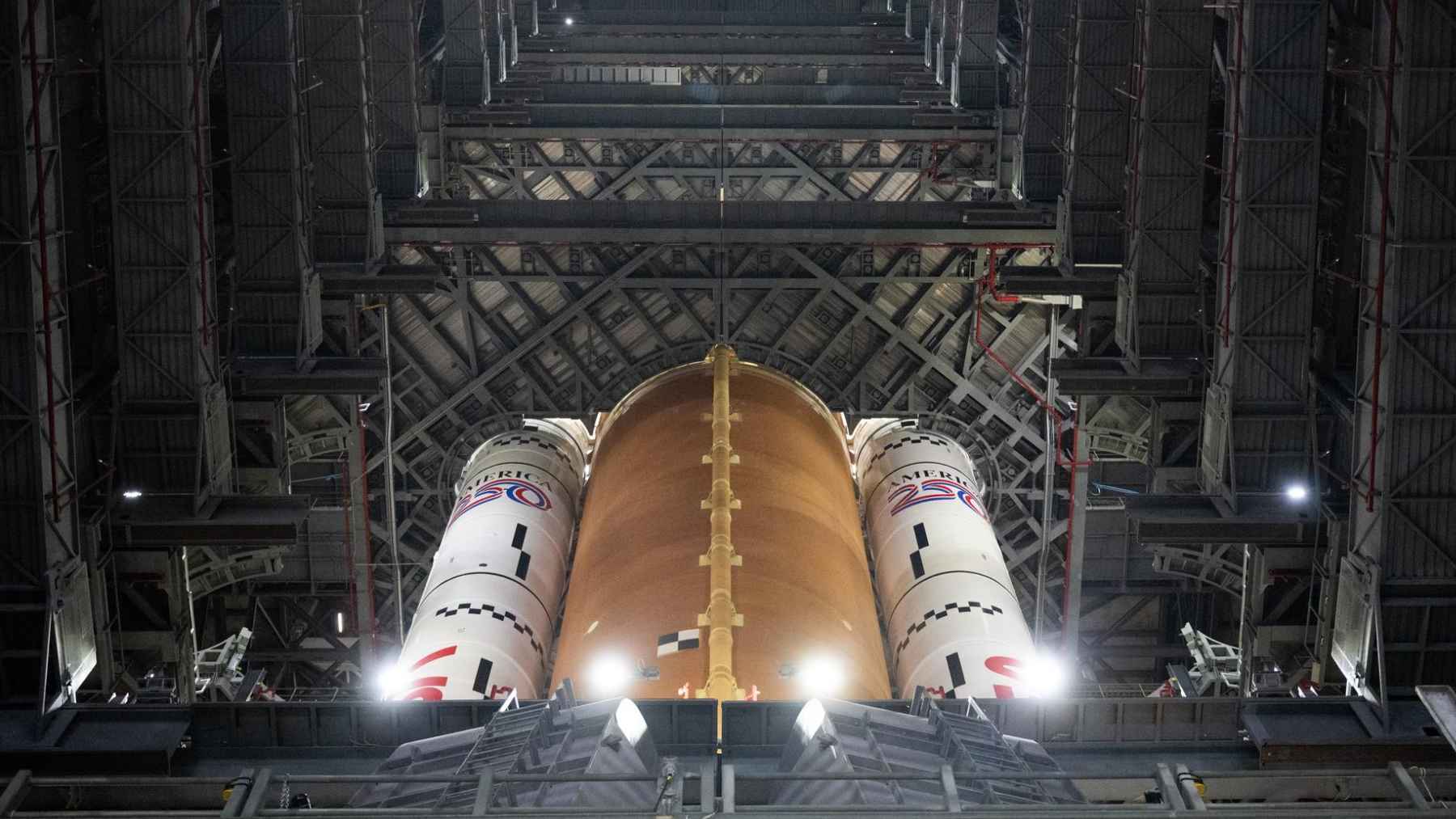
On January 17, NASA began moving the towering Space Launch System rocket and Orion spacecraft out of the Vehicle Assembly Building and onto Launch Pad 39B. The four mile trip crawls along at walking speed and can take up to 12 hours, with the 11-million-pound stack riding on the crawler transporter like a slow-moving skyscraper.
This rollout marks the start of the launch campaign for Artemis II, the first crewed flight of the Artemis program and the first time astronauts will travel to the Moon’s neighborhood since Apollo 17 in 1972. Four astronauts from NASA and the Canadian Space Agency will spend about ten days looping around the Moon, testing life support, communications and navigation systems that future crews will need for longer stays.
Why does this matter back on Earth? Deep-space missions put extreme pressure on closed life-support systems and on human bodies coping with radiation, stress and disrupted sleep. Data from Artemis II experiments on astronaut health and performance will feed into research on how people can live safely in harsh environments, whether in orbit or in remote regions on our own planet.
At the end of the day, this slow trek to the pad is part of a much bigger story. It signals that after years of testing, the hardware for a new era of lunar exploration is finally leaving the hangar and heading toward the launch countdown.
The official statement was published by NASA.