With the climate crisis being such a pressing issue today, many people are looking to new technologies to deliver the answers. One of these technologies is space-based solar power (SBSP) – a concept that has sparked interest in scientists and the general population for decades.
However, recently, when the NASA agency provided its recent report on this concept, it disappointed the public and painted a negative picture of the possibility of this concept. The idea of using solar energy from space is not as realistic as we have once believed.
The revolutionary idea of solar power collected in space
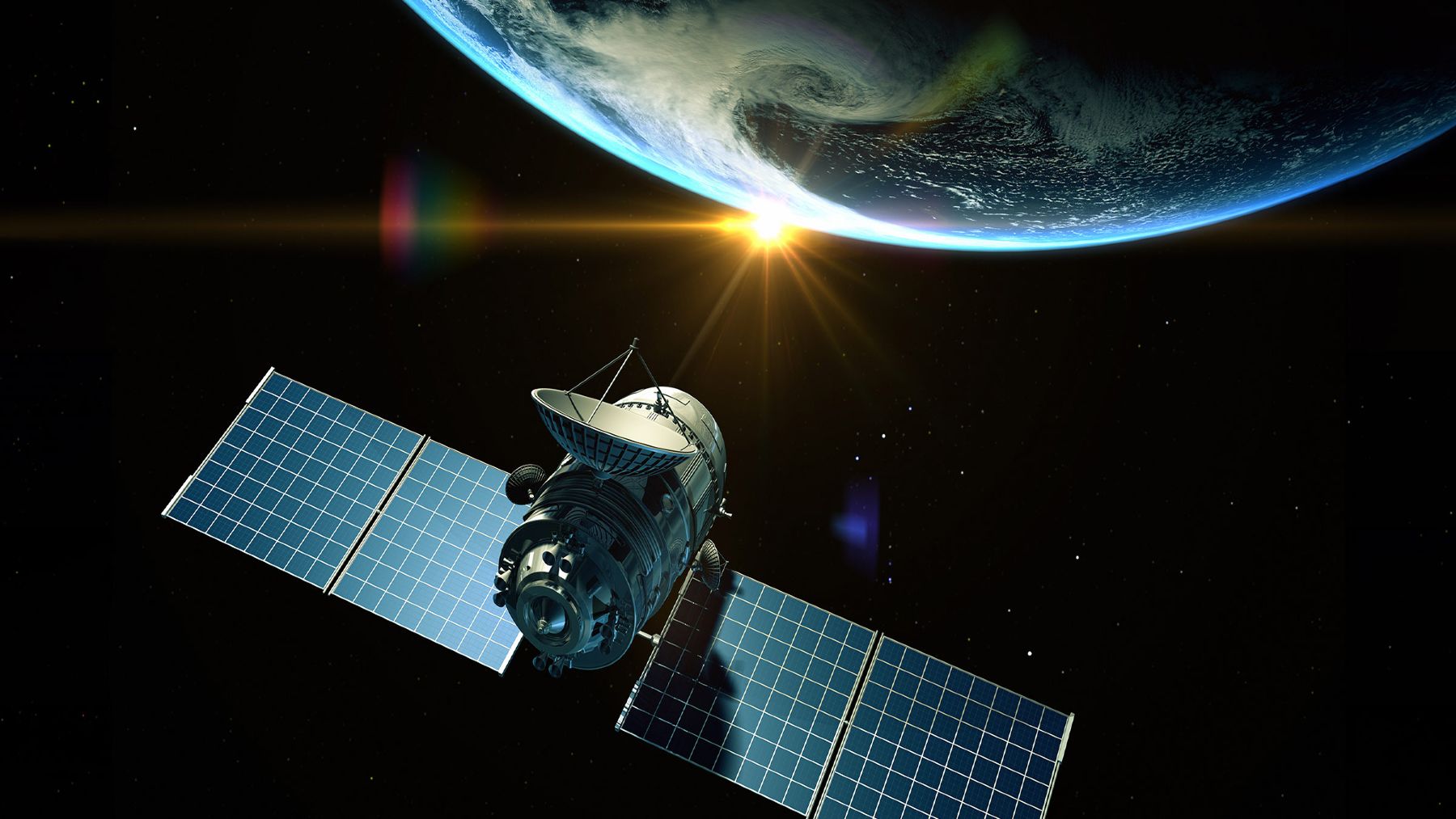
Solar power from space has been an interesting concept since Isaac Asimov first described it in the context of 1940s science fiction. The concept is simple: put solar panels in an area with constant daylight, and the transformed solar energy is converted to microwaves and transmitted to the earth, where it is transformed back to electricity.
This approach would provide a constant and uninterrupted power supply, unlike the ground-based solar power dependent on sunlight. Although it seems the perfect answer to the world’s energy problems, the technical and financial issues have proved too difficult.
NASA’s Office of Technology, Policy, and Strategy published a catastrophic report on SBSP’s vision. The findings were clear: SBSP will not be economically feasible shortly. The report shows that the costs of deploying space-based solar power systems remain prohibitive, and current research indicates that prices can be as much as 80 times more costly than on-ground solar systems.
In this case, the total lifecycle cost of these systems would be astronomical and much higher than that of land-based renewable technologies such as solar and wind power. NASA’s report also discussed the environmental effects of SBSP.
It is indicated that the carbon emissions from constructing and launching SBSP systems to orbit are lower than those of the current electric grid but are competitive with terrestrial renewable energy sources.
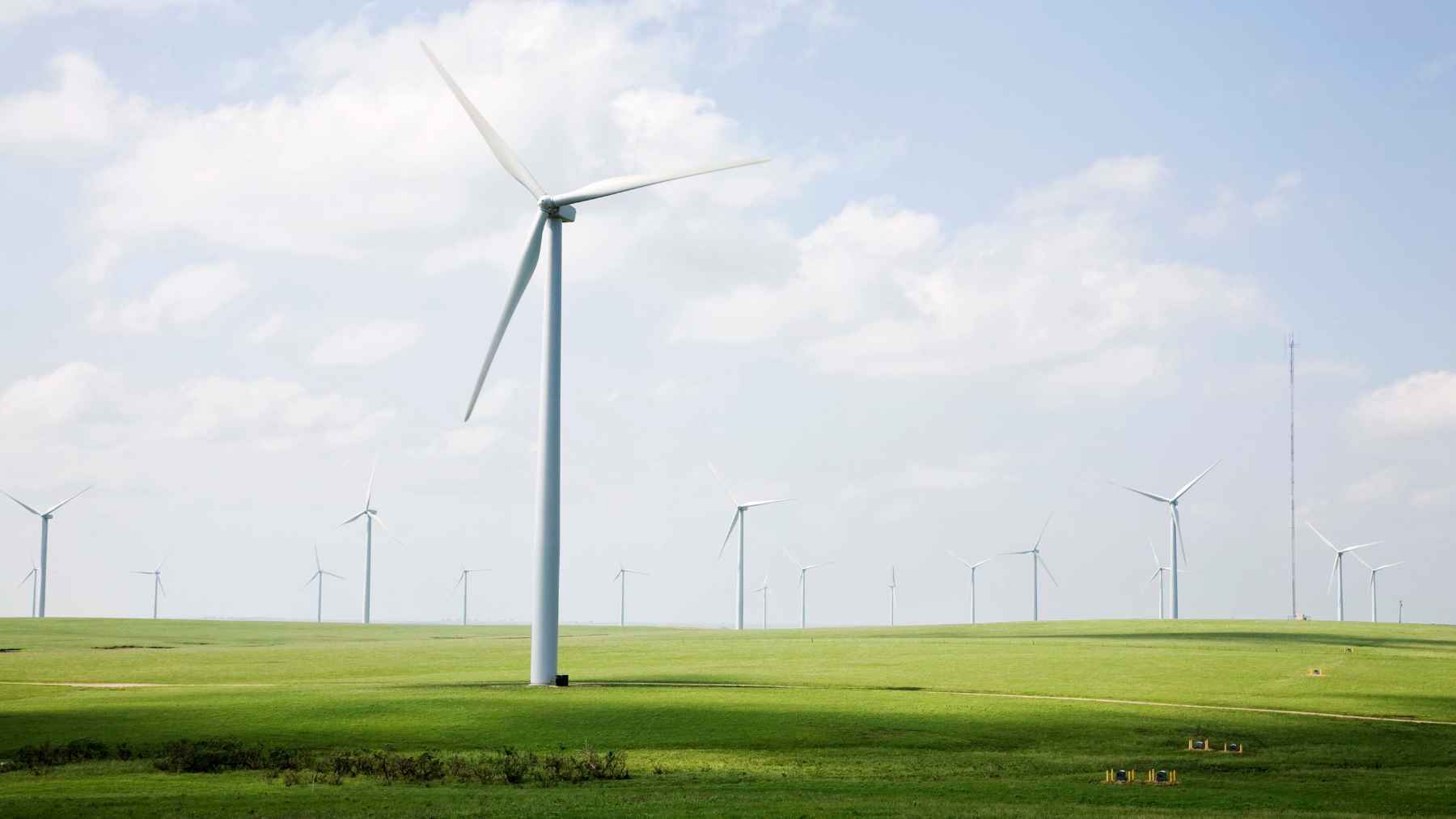
This is not enough to justify the high costs associated with the construction and implementation of wind energy, not to mention that other green energy solutions are already available.
Could reusable rockets finally lower these immense costs?
NASA has its doubts about such solutions mainly due to the expenses that come with launching the required equipment into space. This report suggests that launch costs account for over 70 percent of the cost of creating an SBSP system.
NASA estimated its costs based on the assumption that launching payloads into space would cost $1,000 per kg. This would demand many launches to ensure that the components get into orbit. As John Mankins, a former official at NASA, pointed out, some of the assumptions made to arrive at this estimate are unduly negative.
This is especially important given the recent progress in reusable rocket technologies like SpaceX’s Starship, where the cost of launching satellites in LEO might come down in the future, making SBSP feasible.
Why the dream of orbital energy remains out of reach
The idea of an orbital energy future is still on paper. Consequently, while there may be a great deal of theoretical potential in SBSP, NASA’s report has placed its implementation firmly on the back burner, as if to say, ‘Don’t hold your breath for an SBSP solution to energy woes.’
However, there are two problems with this particular type of power – it is both too expensive and too technologically challenging to implement. Other countries are still studying the idea, but the general opinion is that more investments and research are required for SSP to become a reality.
The future of energy in the world will probably remain on Earth as technologies such as solar, wind, and other sources of green energy are developed. The idea of tapping solar energy from space may still be a dream, but it is a dream that may have to be kept on hold until costs are driven down and technologies advanced to meet the goal. Until then, the best solution to our energy problems may be under our roofs.