The hydrogen engine seems to have overtaken the electric engine, which came to replace conventional combustion engines. But what is the last one that has scientists on their toes? We have just learned about the new Gen 4 engine that will power the cars of the future, with an impressive 480 hp and a result that has been the result of 60 years of development. Can you imagine what it is?
This is the new Gen 4 engine: 60 years of development made real
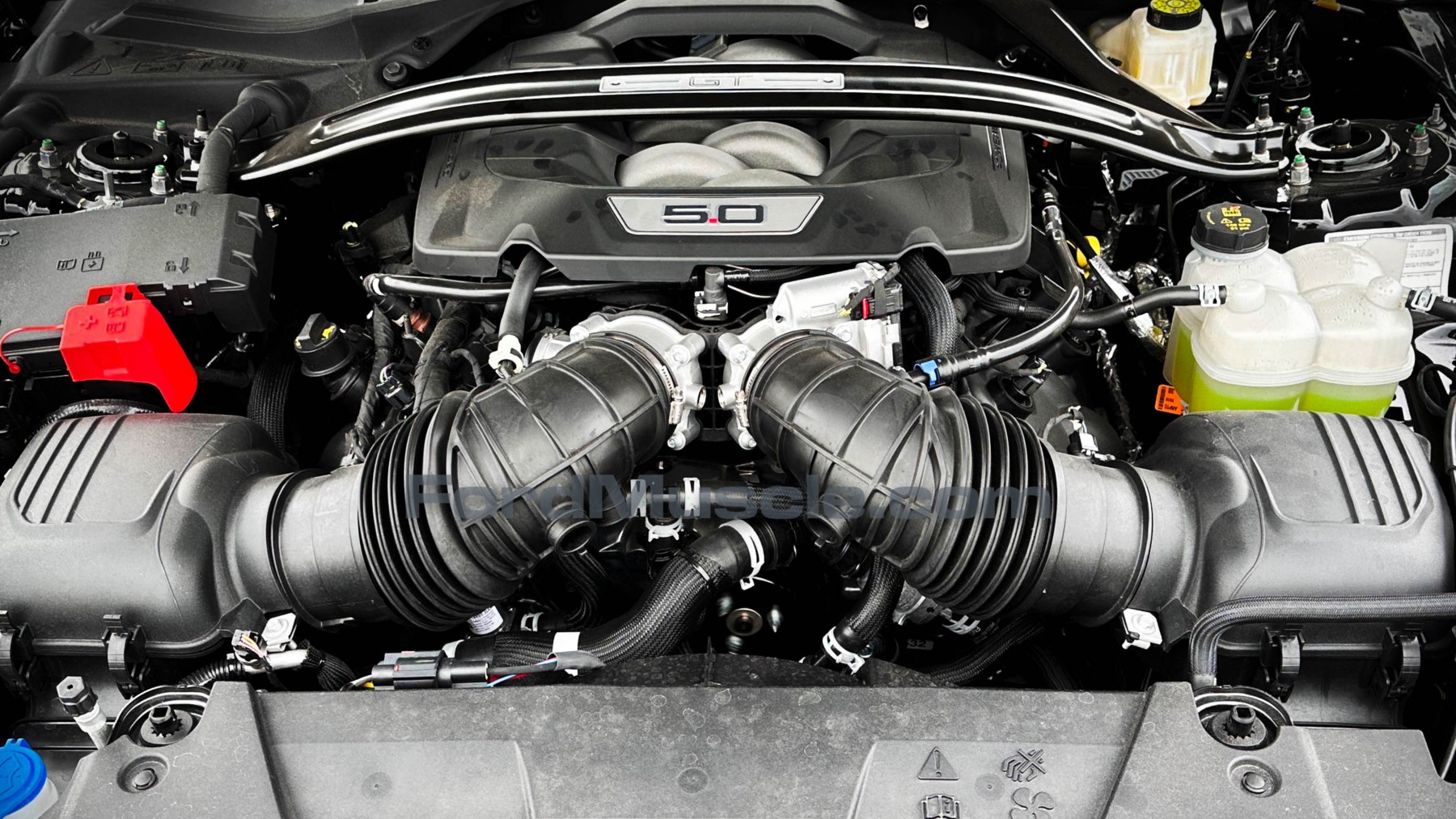
Now in 2022, Ford Performance is incorporating its freshest 5.0-liter Coyote V8 crate engine, which marks the 4th generation of the Coyote line. The Gen 4 Coyote, otherwise known as the Gen 4 small block V8 is the latest version that is set to make its mark and push the boundaries to a new revolution of small-block V8 performance.
This 2011 model year Mustang GT ushered in the new 5.0-liter Coyote engine that begun its journey to stardom on a solid foundation of fierce performance and hidebound design. Since, Ford has worked hard to continue to develop and update on the Coyote across multiple generations until the present time.
In contrast, the Gen IV version is prepared to extend the 60-year heritage, as the list of improvements directed at the next-level power output, durability, efficiency, and control is nothing but impressive. The crate engine provides a plethora of engine options which are as high naturally aspirated as 480 hp.
The new Gen 4 Coyote V8s will offer consistency, performance, and capability expected from Ford’s famous small-block V8s, as the next generation of this reference. It promotes Ford’s long-lasting mission to move beyond the confines of convention and steadfastly create when it comes to eco-friendly engines.
Why is this Gen 4 engine so different? Find out its characteristics
The new Gen 4 Coyote V8 engine from Ford Performance delivers an impressive 480 horsepower at 7,000 rpm and 420 lb-ft of torque at 4,500 rpm from its 5.0-liter displacement. This latest generation Coyote represents over 60 years of evolution for Ford’s small-block V8 engine family.
Some key specs for the Gen 4 Coyote include:
- 5.0-liter (302 cubic inch) displacement.
- Dual-overhead camshaft (DOHC) design.
- 480 hp at 7,000 rpm.
- 420 lb-ft of torque at 4,500 rpm.
- Aluminum engine block and cylinder heads.
- Compression ratio: 12.0:1.
- 87mm bore x 93mm stroke.
- Ti-VCT variable camshaft timing.
- Coil-on-plug ignition system.
- Engine redline: 7,500 rpm.
- Wet sump oiling system.
- Estimated weight: under 500 lbs.
The Gen 4 Coyote produces the highest horsepower and torque figures yet for a production Coyote V8 from Ford. The increased output comes from revisions like the new DOHC design, higher 12:1 compression ratio, and optimized Ti-VCT cam timing profiles.
The unique characteristics of this 480 hp Gen 4 engine, at detail
The Gen 4 Coyoted engine as a matter of fact has unique characteristics that are way better than the ages before to make it have good performance and capabilities. However, what makes these innovations particularly revolutionary is their incorporation of twin throttle slots in the engine.
Gen 4 employs a parallel 87mm throttle body intake as opposed to single throttle body arrangement featured on previous S550 generation engines. This 2 throttle body configuration is a critical element allowing even more air into the engine which will boost the net horse power and torque outputs.
One of the supreme improvements on the Gen 4 Koyote is a factory installation of headers for exhaust rather than a typical cats-back exhaust. Gen 4 that is different from all previous Coyote engines in the exhaust manifolds which were replaced by the tubular exhaust headers that provide an improved airflow out of the engine.
The truth is that, once we know the new Gen 4 engine, we understand why hydrogen is still awaiting development to consolidate itself as another option. Meanwhile, manufacturers still want to continue with electric vehicles and even give a second chance to traditional combustion engines, in this case, to minimize their polluting emissions.