New York City is still digging out from its biggest snowfall in years, yet another winter storm is already lining up on the horizon. Forecasters are watching a coastal system that could bring fresh snow to parts of New York and New Jersey this coming weekend, on top of bitter Arctic air that has settled over the region.
From historic snowfall to a new weekend threat
The weekend storm that just ended dropped around 11 to 12 inches of snow in Central Park, with some communities in New York, New Jersey, and Connecticut topping 16 inches. It was the heaviest snow in the city in several years and part of a sprawling system that has contributed to dozens of deaths across the United States and left hundreds of thousands without power.
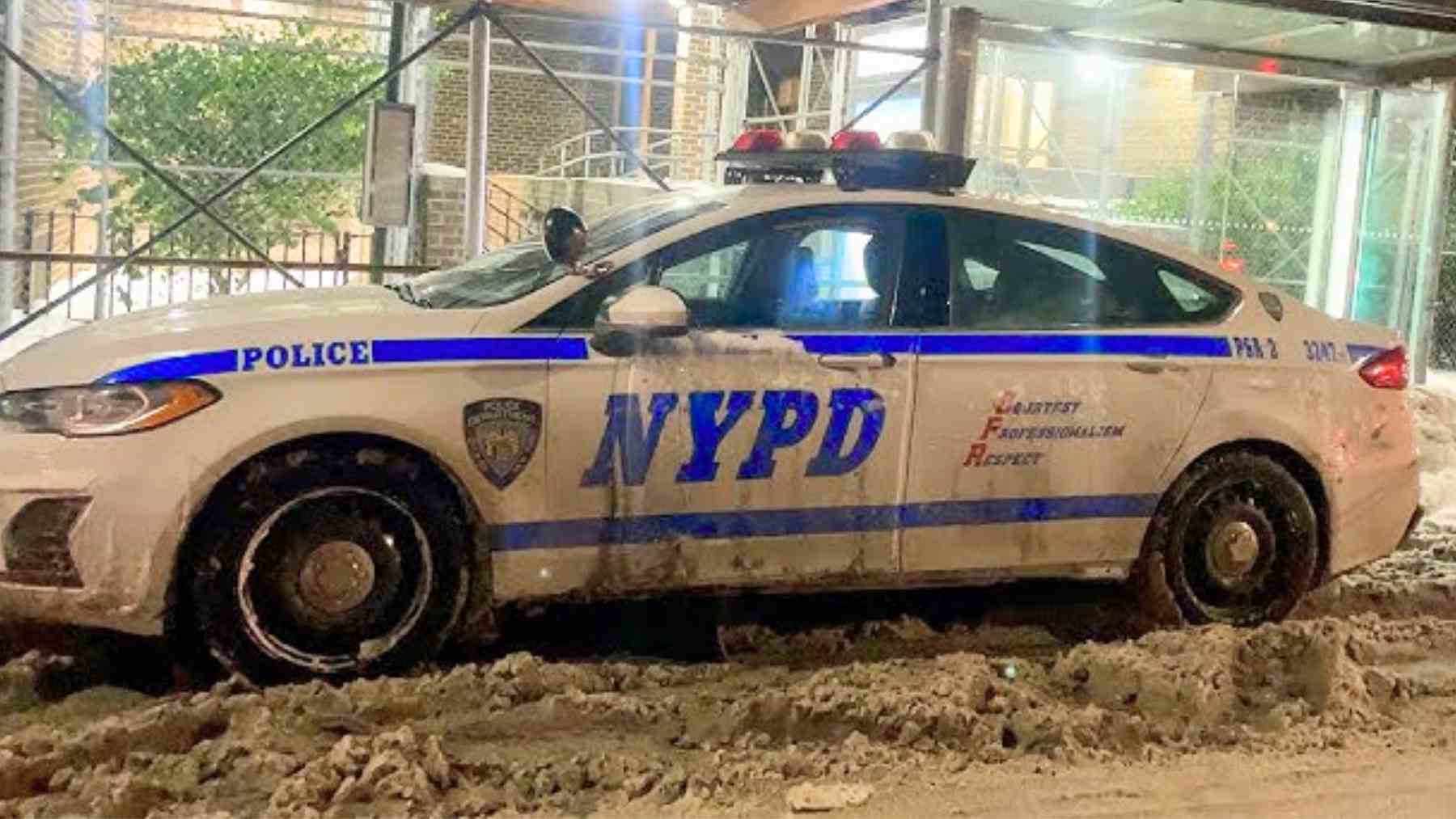
Now the snowbanks are high, the sidewalks are icy, and a deep freeze is gripping the Tri State area, with wind chills commonly near or below zero. The National Weather Service keeps cold weather advisories in place and notes that temperatures are likely to stay well below normal through the week.
At the same time, the agency is tracking a new coastal low expected to form off the Southeast coast and move north this weekend. Major forecast models show a storm nearby, although meteorologists stress that it is still too early to know how much snow or wind the New York region will actually see.
So is this just an unlucky winter, or part of a bigger pattern?
Big snow in a warming climate
Climate records show that the Northeast has already warmed by more than two degrees Fahrenheit since the early twentieth century, with winters warming faster than any other season and cold days becoming less common.
Yet heavy snowstorms have not gone away. Research from the National Center for Atmospheric Research and other groups finds that while smaller snow events are expected to decline, the kind of high impact coastal storms that hit every few years are likely to remain about as frequent as the climate warms.
New work in the journal PNAS adds another twist. Scientists report that the strongest one percent of nor’easters along the East Coast have become roughly twenty percent more destructive over the past eighty years, with higher wind speeds and heavier precipitation, trends linked to warmer oceans and a moister atmosphere.
In practical terms, that means when cold Arctic air does surge south, there is more energy and moisture available to feed intense snowstorms. Not every blizzard can be blamed on climate change, but the background conditions are shifting in a way that favors more disruptive extremes.
Hidden environmental costs under the snow
The environmental story does not end when the flakes stop falling. To keep roads passable, cities spread vast amounts of road salt that then wash into storm drains and local waterways once the piles of snow begin to melt. Studies show that winter deicing is now a primary driver of freshwater salinization in North America, and New York City’s own water utility warns that rising salt levels could become an “existential threat” to some drinking water sources if current trends continue.
New York State environmental officials note that a single teaspoon of salt can permanently pollute several gallons of water and have launched programs to cut rock salt use through better plow technology and brine application.
All of this plays out while residents worry about heating bills, scrape ice from windshields, and navigate slushy crosswalks. The choices cities make on snow removal and building efficiency influence not only how safe streets feel in the next storm, but also how healthy rivers, reservoirs, and communities will be in the decades ahead.
At the end of the day, the forecast for this weekend will sharpen with each new model run, yet the broader message is already clear to a large extent. A warming climate can still deliver fierce winters, and places like New York need to prepare for both the cold outside the window and the salt that lingers long after the snow has gone.
The official statement was published on National Weather Service.