North America’s largest wildlife crossing is now open, allowing deer and elk to cross a six-lane highway.
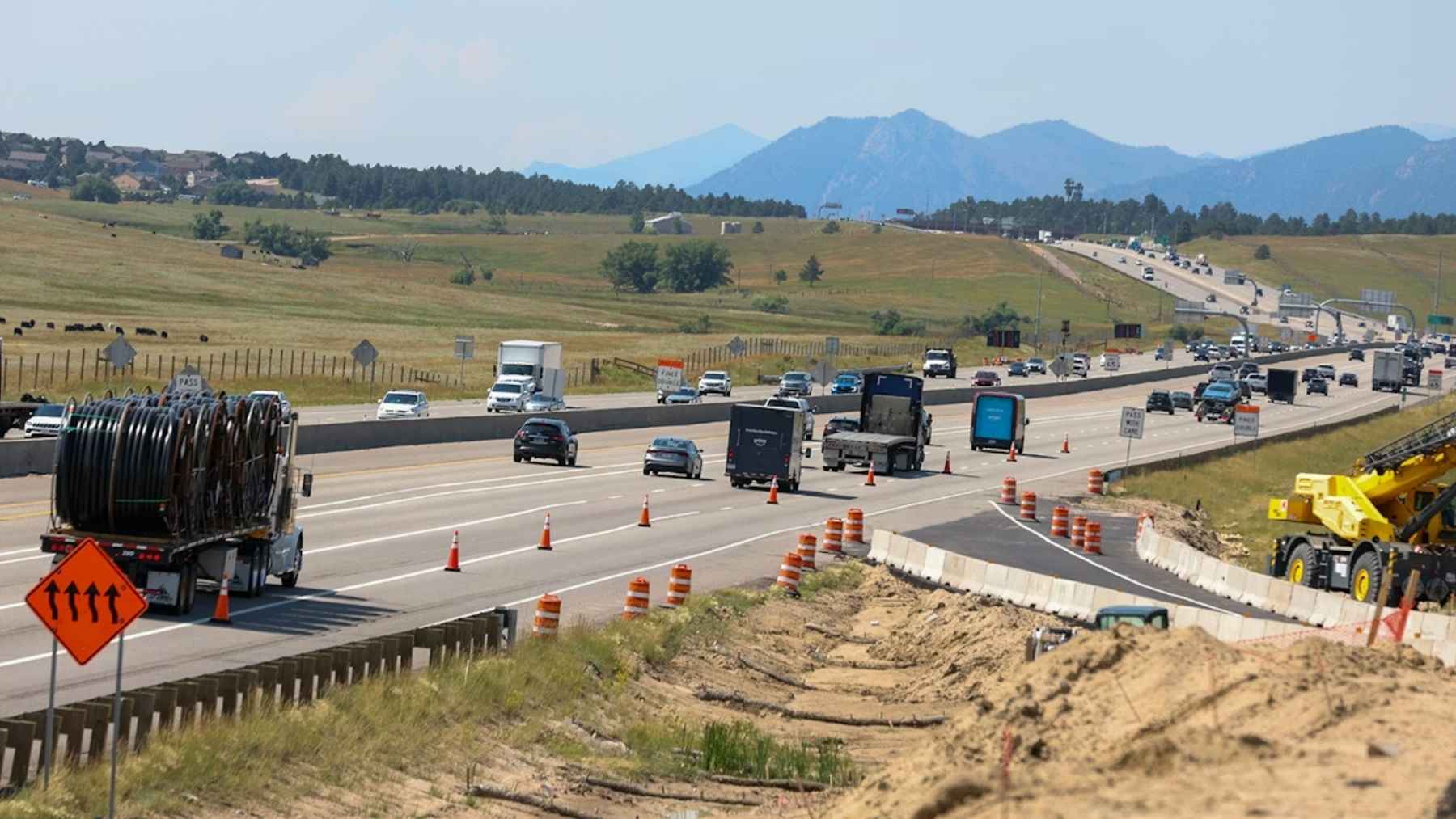
Between Denver and Colorado Springs, a new bridge has opened, but it is not for cars. Colorado has unveiled the Greenland Wildlife Overpass, a wide, planted structure that lets animals walk safely over six lanes of Interstate 25 instead of darting through traffic. For anyone who has white-knuckled that drive at night, it could change the trip.
State officials say the bridge is now the largest wildlife overpass in North America, stretching about 200 feet across, 209 feet long, and covering nearly an acre of habitat. By reconnecting roughly 39,000 acres of open space on both sides of the highway, they expect crashes involving elk, deer, and other animals to drop by as much as 90 percent along one of the busiest stretches of road in Colorado.
A land bridge between Denver and Colorado Springs
The overpass sits near the Greenland Interchange north of Monument, where Interstate 25 cuts through rolling grasslands used by elk, pronghorn, and mule deer. The Colorado Department of Transportation (CODOT) designed the structure with gently sloped ramps, soil, and native vegetation so that it blends into the surrounding landscape rather than standing out as bare concrete. From a distance, it looks more like a low hill than a typical bridge.
The project cost about $15 million and was built through a partnership that includes the Federal Highway Administration, Colorado Parks and Wildlife, and Douglas County. It was scheduled and completed within 2025 and ties into an 18 mile system of wildlife fencing and underpasses along the I-25 South Gap project between Castle Rock and Monument, creating one continuous mitigation corridor. Those fences help steer animals away from headlights and toward safe crossings like the new bridge.
Engineers focused on big game when they drew up the plans. Elk and pronghorn are known to avoid dark tunnels that feel tight around their antlers, so the overpass offers an open view and plenty of space for herds to move together. Bears, mountain lions, and smaller animals are also expected to use the bridge as its plants mature and the structure begins to feel like familiar habitat.
Closing a deadly gap for wildlife
Before the current system of crossings was built, this part of Interstate 25 saw roughly one wildlife related crash a day during peak spring and fall migration. A collision with a large elk or deer can total a car, send people to the hospital, and almost always kill the animal. On a road that carries about 100,000 vehicles every day, the risk added up quickly for both drivers and wildlife.
Underpasses and long stretches of fencing have already reduced those crashes, but there was still a 3.7 mile gap where animals were funneled toward the traffic lanes. The Greenland Wildlife Overpass sits in the middle of that gap, right where herds most often try to cross, and completes the 18 mile mitigation system. Colorado transportation officials say this final piece is expected to cut wildlife vehicle collisions along the corridor by up to 90 percent once animals fully adopt the route.
That confidence comes from results elsewhere. In Banff National Park in Canada, a network of overpasses, underpasses, and fencing has reduced wildlife vehicle collisions by more than 80 percent overall and by about 96 percent for elk and deer. A newer overpass in Parleys Canyon on Interstate 80 in Utah has cut crashes by around 77 percent while allowing most deer and moose that approach it to cross safely.
Part of a wider boom in wildlife crossings
Colorado’s new bridge is part of a broader shift in how highways are built and upgraded in the United States. Utah constructed the country’s first wildlife overpass in 1975 on Interstate 15 near the town of Beaver, and the Utah Department of Transportation now reports more than 50 such crossings, with some estimates topping 60. Cameras on several of those bridges show everything from porcupines to mountain lions using the structures instead of risking a run through traffic.
San Antonio, Texas, offers another example of how these projects are moving into cities. The Robert L. B. Tobin Land Bridge, which opened in 2020 across the six lane Wurzbach Parkway, reconnects two halves of Phil Hardberger Park that were once split by the road. The $23 million bridge is about 150 feet wide on top and was built for both people and wildlife, turning what used to be a noisy barrier back into a continuous green space.
On the West Coast, California’s transportation agency Caltrans is building the Wallis Annenberg Wildlife Crossing over U.S. 101 at Liberty Canyon in Agoura Hills. The $92 million vegetated bridge is designed to be about 200 feet long and more than 165 feet wide, reconnecting the Santa Monica Mountains so mountain lions, bobcats, and other animals can move without dodging ten lanes of freeway traffic. Construction is expected to wrap up around 2026, and conservation groups say it could become one of the largest wildlife crossings in the world.
What drivers and animals stand to gain
Crashes with animals are not rare flukes. Federal research and policy groups estimate that up to 2 million wildlife vehicle collisions may occur every year across the United States, causing billions of dollars in damage and thousands of injuries and deaths. For many drivers, especially in rural and mountain states, the fear of a deer or elk jumping into the headlights is simply part of the nightly commute.
For wildlife, safe crossings can mean the difference between isolated pockets of habitat and a connected landscape. The Greenland Wildlife Overpass links 39,000 acres of protected land in Douglas County to more than a million acres of the Pike National Forest, giving herds more room to migrate, find food, and mix with other groups, which helps keep populations healthy. Environmental organizations point out that as climate change shifts where water and plants are available, preserving these routes will become even more important.
In practical terms, the new bridge could help families get home from Denver or Colorado Springs with fewer close calls while elk and other animals cross the same corridor on their own quiet path overhead. Colorado officials see the overpass as a model for future projects along other risky roads in the state and beyond. The main official project information has been published by the Colorado Department of Transportation.Between Denver and Colorado Springs, a new bridge has opened, but it is not for cars. Colorado has unveiled the Greenland Wildlife Overpass, a wide, planted structure that lets animals walk safely over six lanes of Interstate 25 instead of darting through traffic. For anyone who has white-knuckled that drive at night, it could change the trip.