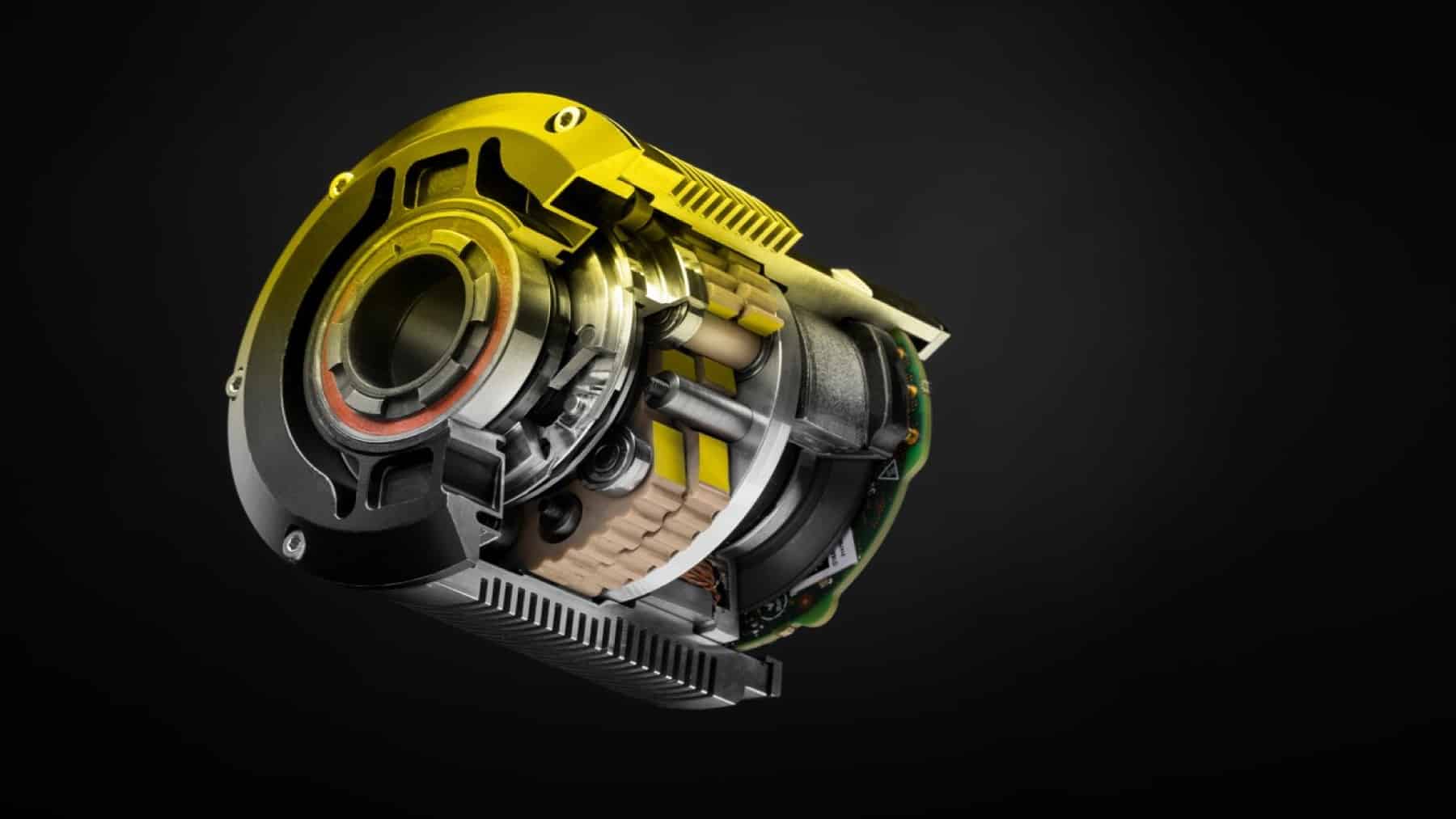
Mavic, the iconic road racing brand renowned for its innovation, is set to revolutionize the e-bike market with a cutting-edge, pint-sized, mid-mounted motor system. While still in its prototype phase, the new engine is a massive win for the company, following four-years of development with BMC as well as five years since the engine was first conceptualized and designed. While electric vehicles tend to get a lot of attention, innovation from companies like Mavic are changing the e-bike world to be more renewable.
Racing towards a sustainable future
The e-bike and electric vehicle (EV) sectors are making significant progress in improving performance of engines while also lowering environmental effects. Manufacturers are concentrating on developing lightweight, energy-efficient technologies that have the potential to transform mobility as the demand for environmentally friendly engine solutions rises amidst concerns for the climate crisis.
With its advancements in electric drivetrains and battery technology, Tesla, a global leader in electric vehicles, has paved the way for other industries to follow suit, ushering in an era of zero-emission automobiles. Tesla has raised the bar for sustainability in the automobile industry by pushing the limits of battery efficiency and charging infrastructure, which has inspired both long-standing automakers and fresh start-ups to invest in electric vehicles. The global shift to greener transport is accelerating as more businesses embrace comparable technologies, pointing to a more promising and sustainable future for the earth.
New Mavic engine is a gamechanger for e-bikes
With its lightweight, high-performance design, Mavic’s new e-bike motor is poised to be a major addition to the e-bike engine market. The new motor weighs in at 1.2 kg (without the battery), allowing bike producers to produce e-bikes that weigh less than 10 kg. According to reviews, the motor is barely perceptible due to its small size of 87mm, where it is placed it behind the chainrings. Additionally, compatibility with most cranksets on the market, maintaining smooth front derailleur performance.
Mavic’s new motor is also notable for its frictionless clutch mechanism, which removes any remaining friction when the motor is turned off. This significantly lowers needless power usage and rider strain. The motor is allegedly among the most energy-efficient systems on the market thanks to its innovative cycloidal reducer, which further increases efficiency.
The engine also has a 180Wh range extender which adds to the 360Wh battery for greater range for users aiming to navigate difficult terrain. Tests conducted with the engine have demonstrated that the motor can climb 3,000 meters on a single charge, despite the lack of a specified range. This system guarantees a powerful and smooth ride, even on steep hills, without compromising efficiency or rider comfort. It has a normalized power output of 250W and a peak performance of 390W with 37Nm of torque (and up to 50Nm boost).
The pressure to create alternative engine solutions
As the world goes green, automobile producers in particular are feeling the pressure to invest in alternative engine solutions. With the transportation industry still significantly relying on petroleum-based fuels, climate activists and governments have noted that the industry’s reliance on the fuel needs to be not only reduced, but completely revolutionized in the name of sustainability.
However, despite this increasing pressure, many automobile brands continue to make significant investments in traditional internal combustion technology. While there is a demand for alternative engine solutions, the reality is that, globally, the world is not at a place yet to support these types of engines in their entirety. Because of this, automobile companies must continue to produce internal combustion engine vehicles while developing solutions where more environmentally friendly cars can be realistically supported by a majority of consumers.