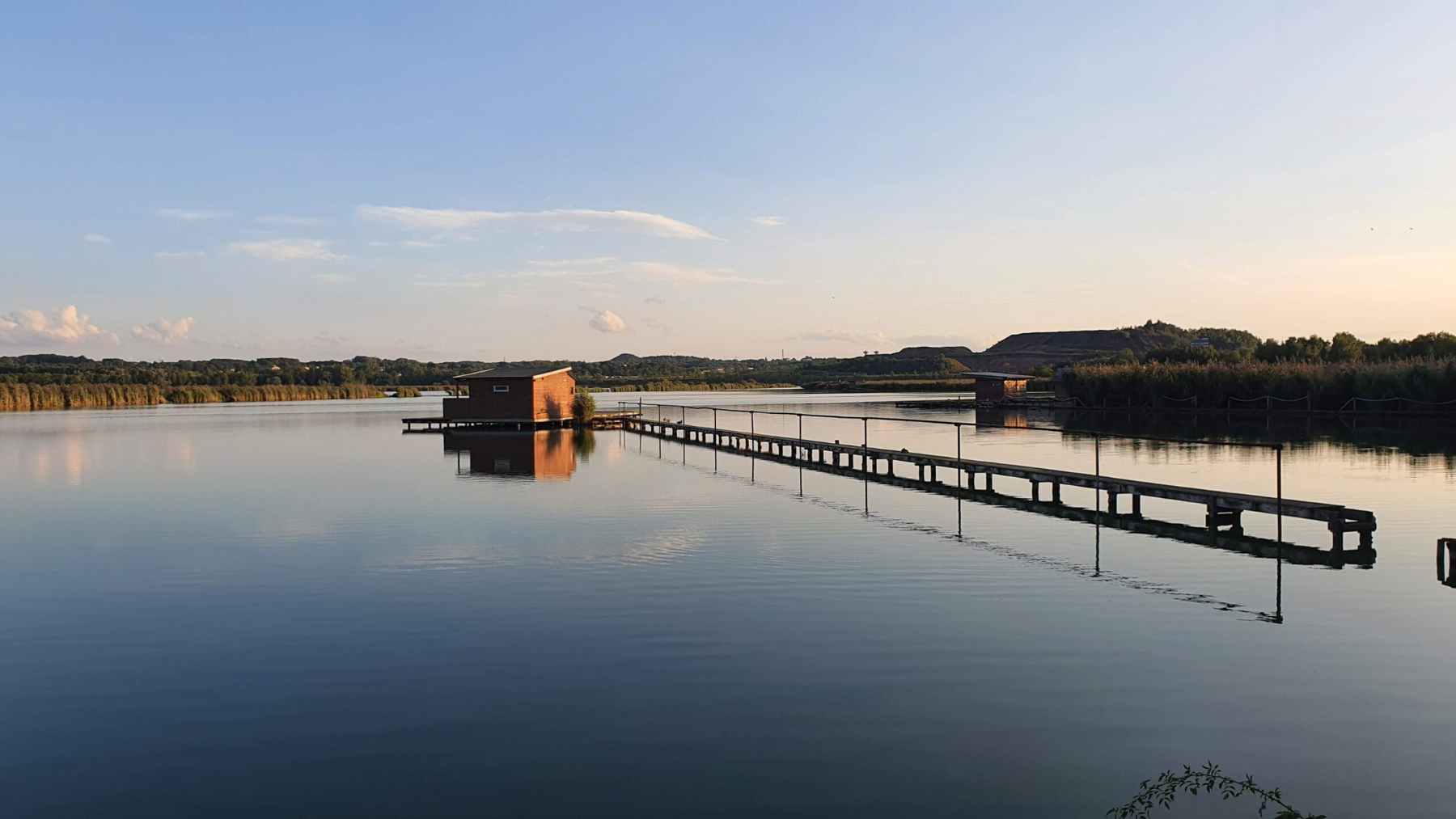
From a distance, Heřmanický Pond on the edge of Ostrava looks like a quiet, flat lake beside an industrial city. Come closer and a strange village appears, dozens of wooden cabins standing on stilts far out over the water.
Drone footage shot by citizen reporter Martin Starinský for regional television shows around seventy of these tiny fishing cabins linked by narrow walkways. Built roughly thirty years ago, they form a cluster that local outlets describe as unlike anything else in the Czech Republic. So what are they doing here?
A floating village built for anglers
Each cabin is a simple wooden shelter that gives anglers a dry, private spot just a few steps above the lake surface. People haul rods, bait, and coffee along slim boardwalks that sit only a little above the water, so even a short walk feels like stepping into the pond.
According to the pond’s fishing association, Heřmanický Pond covers about 116 hectares and is one of the biggest sport fishing waters in the region. The cabins spread visitors across the surface instead of crowding them on the banks, so shorelines stay calmer for birds and other wildlife.
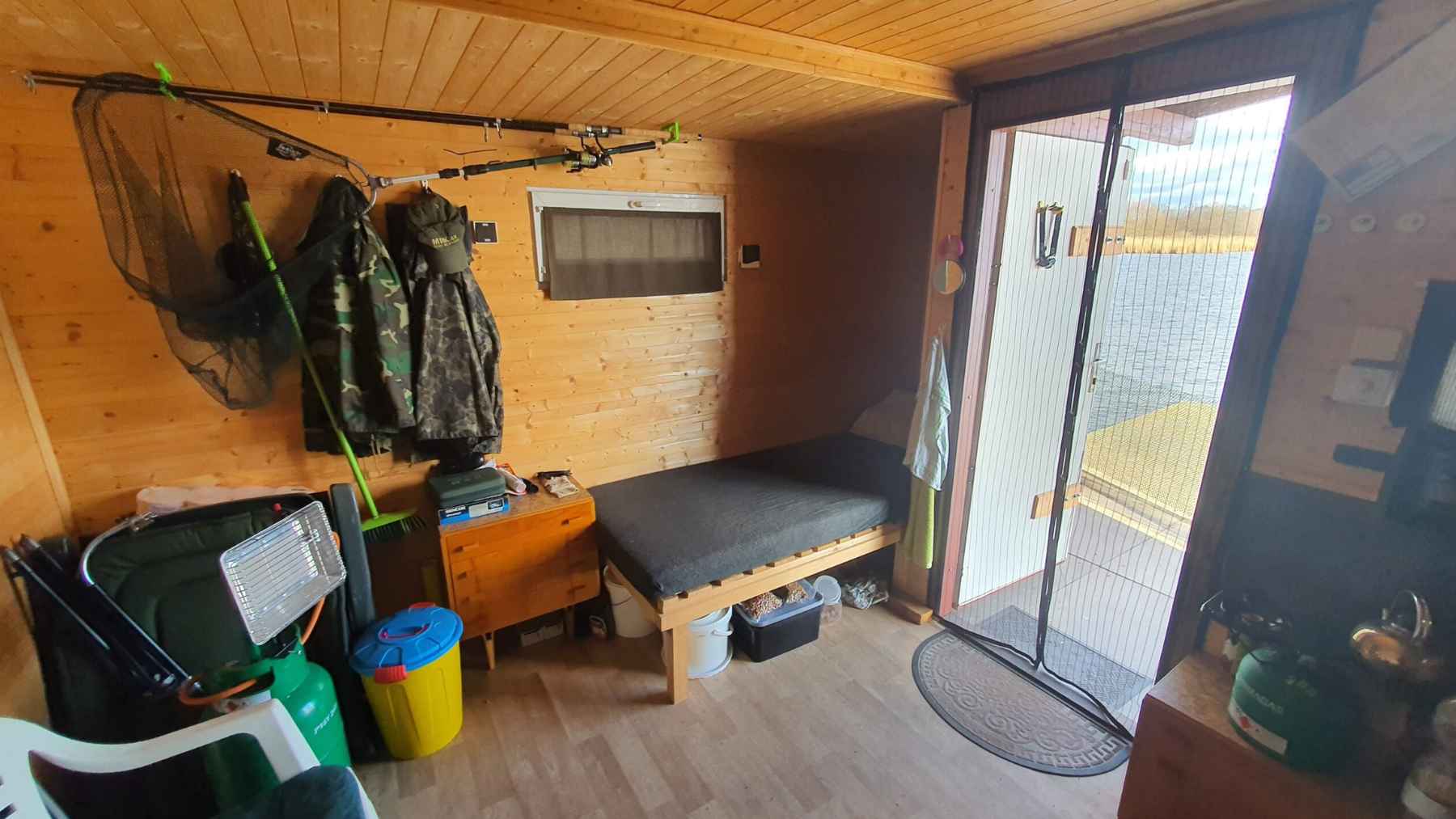
From mining reservoir to bird sanctuary
Heřmanický Pond has served as a retention basin for salty mine water since the 1970s, when nearby coal mines needed a place to pump mineral-rich underground water. That water is mixed with fresh water in the pond before it flows into the Odra River, which helps keep salt levels within strict limits set by authorities.
City and regional documents describe the pond as highly mineralized and originally created for technical reasons, not for weekend picnics. Over time, constant water levels and wide belts of reeds have turned this engineered basin into a major reed wetland that is now listed as a protected natural monument and part of a wider European bird area.
Sharing the pond with hundreds of bird species
Ornithologists have recorded more than 250 bird species at Heřmanický Pond, including several rare and strictly protected ones. For migrating ducks, herons, and small marsh birds, the reed beds and shallow edges work like a busy transfer station during spring and fall.
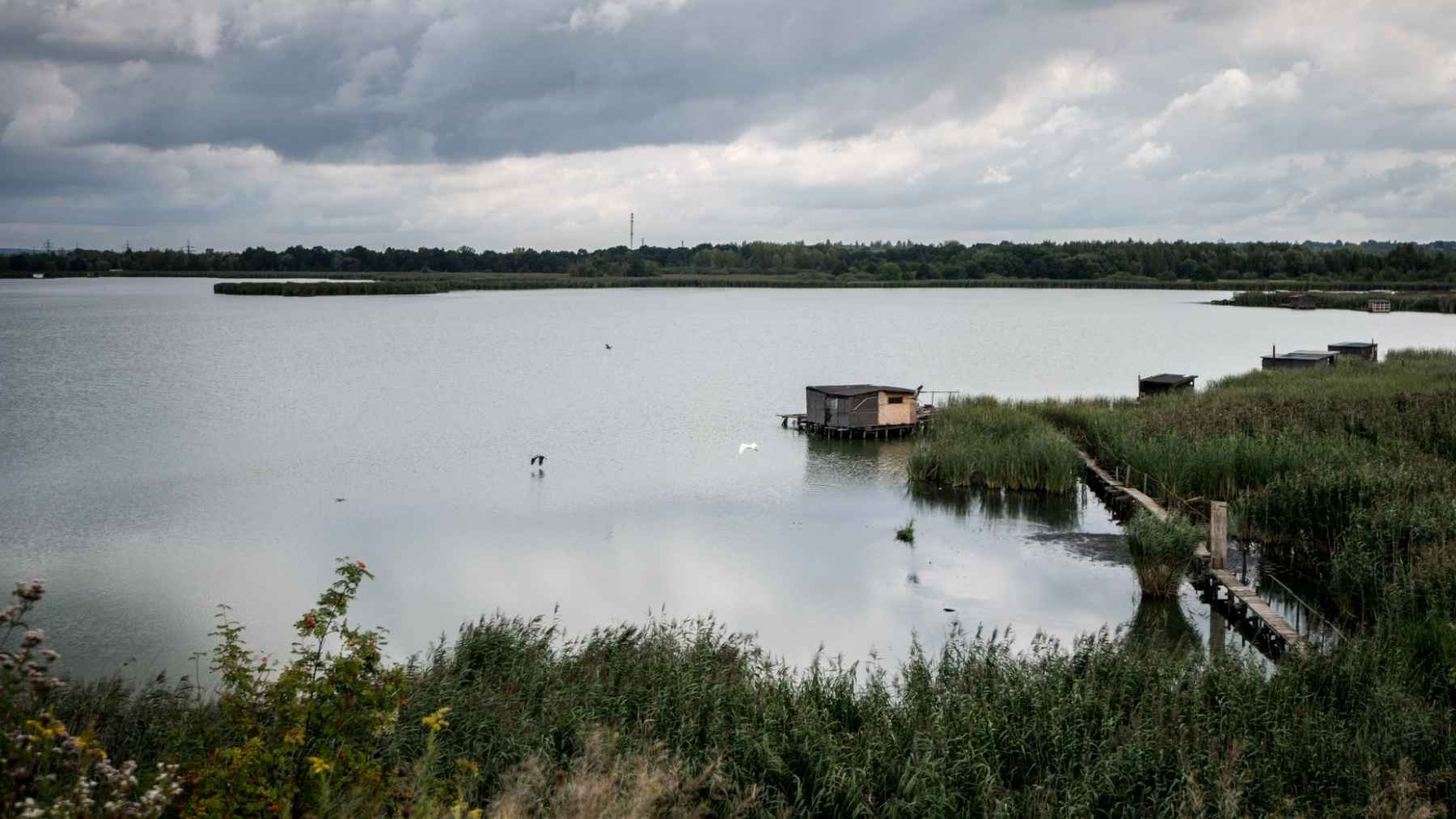
Environmental reports warn that the long history of mining and the constant inflow of salty water still pose risks to the wetland and its wildlife. That is why visitors are asked to stay on marked paths, respect quiet zones, and treat the cabins as a privilege rather than just another photo backdrop, whether they come to fish or to watch birds.
For locals, the result is a place where industrial history, outdoor hobbies, and bird conservation meet in one unusual view across the water.
The main report on this site and its fishing cabins has been published by the regional news program Události Ostrava of Czech Television.