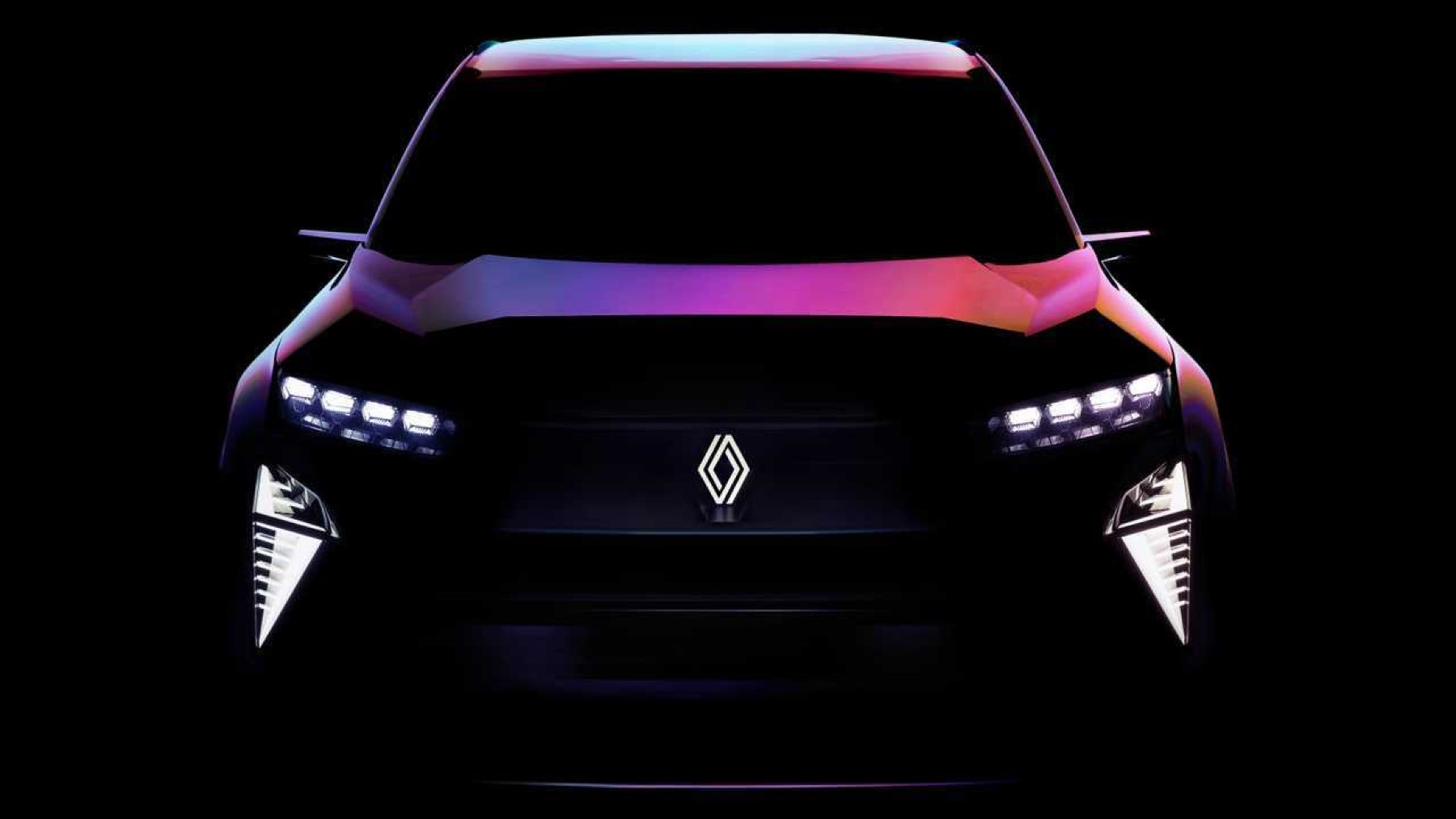
At the end of last month, F1 fans were shocked to hear that Renault is set to retire as a Formula One (F1) power unit. Renault Group is a French automobile manufacture and has been an engine supplier to multiple F1 teams for many years including McLaren as of recent years and Renault’s own team Alpine. The news that Renault will cease production of its F1 power unit from 2026 comes with Bruno Famin stepping down as team principal of Alpine.
Renault confirms their decision to leave F1
The news broke at the end of last week that Renault with its long standing engine supplier history for F1 will not produce power-units from 2026. From 2026, F1’s engine regulations are set to embrace and improve electrical systems. The power units are to continue with a hybrid set up with the internal combustion engine needing to only run on sustainable fuels. The maximum power output from the electrical part is expected to rise to around 50% of the total power unit output.
The new regulation comes as F1 continues to make motor-sport more green. F2 currently has a sustainability goal of net-zero carbon emissions by 2030 across all operations. Further, F1 has introduced regulations to ensure that motors may only run on sustainable fuels. F1 has also committed to making their events more sustainable and to implement practices which embrace a circular economy.
Alpine likely to team up with Mercedes
With Renault’s decision to leave F1, Alpine is reported to likely revert to Mercedes to supply their engine. However, Renault is not backing away from electric energy completely. Renault has teamed up with Plug Power, a company engaged in the development of hydrogen fuel cell systems, and Hype, a hydrogen production and network developer, have joined in a partnership named HYVIA. The partnership intends to accelerate decarbonized hydrogen mobility.
In a press release by Renault Group, they state that “the partnership covers the entire ecosystem of H2 mobility”. HYVIA aims to deliver hydrogen to Hype’s filling stations in and around the French capital, Paris. The project is deeply involved in ensuring that hydrogen mobility is made easier major French cities. Renault has opened a plant at Renault’s factory in Flins, France. Based on Plug’s technology, the plant will test and assemble fuel cell modules.
HYVIA will provide two new refueling stations for the Hype network
Hype was developed in 2009 originally to support taxis in France with a zero-emission solution as an answer to the air and noise pollution crisis. Originally, the project’s efforts were centered around electric technology but has since developed into supporting hydrogen powered taxis. By the end of 2026, Hype aims to have deployed 26 hydrogen fueling stations in the Paris and the Ile-de-France region and have 19 stations set up in neighboring European countries.
A major challenge automobile manufactures face with switching to alternative energy solutions is establishing new refueling networks to support new engines. The HYVIA initiative aims to promote the use of hydrogen-powered vehicles in France by making their refuel stations more accessible and widespread. Hype has been instrumental in providing hydrogen powered solutions to public transport systems including taxis and vans.
While Renault may be saying goodbye to F1 as an engine supplier, they certainly are not backing down from sustainable challenges. The new Hyvia project is a leading example of how industry can support alternative energy solutions beyond just developing new engines. Increasing and building new fuel stations and developing a network which makes it realistic for people to own alternative energy powered vehicles is important if the automobile industry is to convince buyers to go green.