For years, experts have relied on EVs as the future of sustainable mobility, until Japan made a surprise move by developing hydrogen as an alternative. However, a group of scientists has just come up with something better: an engine that has traveled 200 years in time and was predicted by Edison and Einstein, among others. It runs on a fuel that has never been used before, and even Elon Musk expressed curiosity about how it works. The most curious thing of all? You are about to find out.
This engine, predicted by Edison 200 years ago: It has “travelled through time”
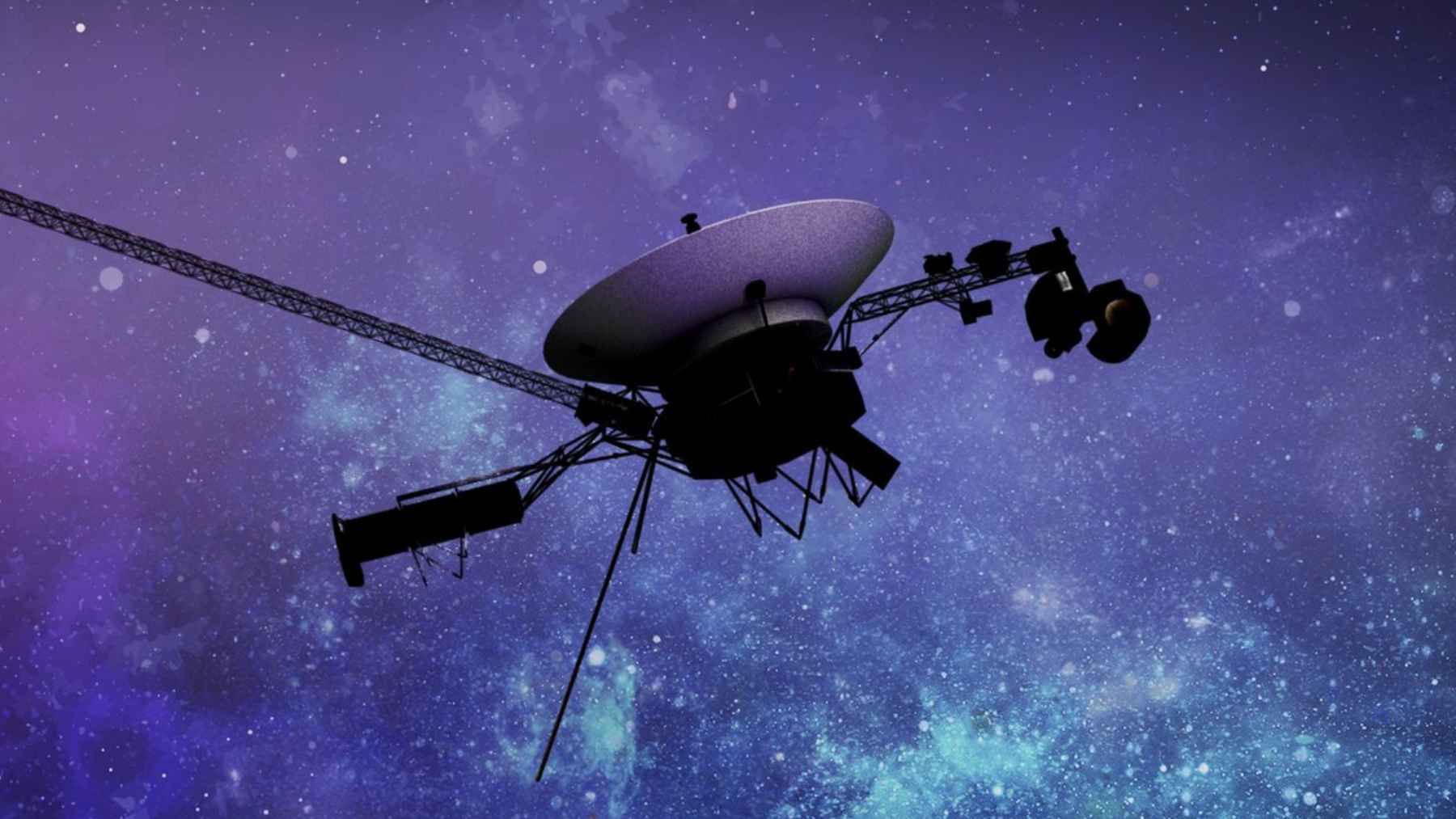
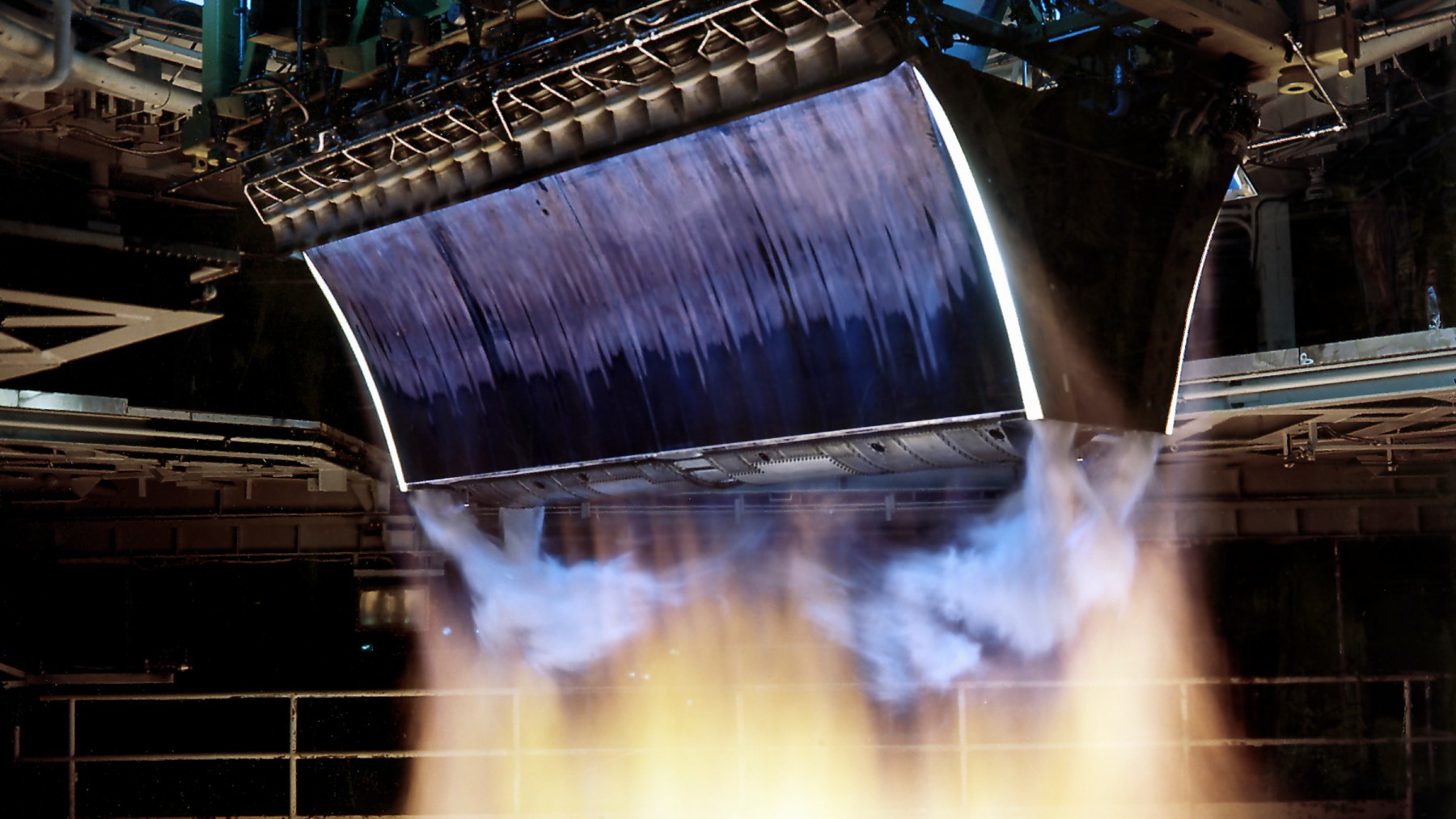
In an historic first in electric propulsion devices for space-bound spacecrafts, U.S.-based RocketStar has produced a nuclear fusion pulsed plasma electric propulsion unit. This new concept, called the FireStar Drive, is just a step ahead of present technologies in spacecraft engines and propulsion and may even be superior to hydrogen-based systems in specific areas.
The FireStar Drive is a water-driven pulsed plasma thruster that makes use of one type of aneutronic nuclear fusion to enhance its performance. If true, it would impossibly create a system that would essentially place electric propulsion and nuclear fusion together in the same vehicle – an invention which could change space travel.
The base thruster of the FireStar Drive produces high-speed protons by converting water vapor through ionization. When these protons impact the nucleus of a boron atom, it ‘fuses’ and changes into a high-energy instance of carbon, which promptly decays into three alpha particles. This fusion process occurs in the exhaust of the thruster and greatly improves it.
Musk wants to develop it (and forget hydrogen), but this company has beaten him to the punch
RocketStar’s fusion-enhanced propulsion system has demonstrated remarkable performance improvements over conventional electric thrusters:
- Thrust Enhancement: Developmental testing indicates that the unit is 50 percent more efficient than the basic throbbing drives.
- Efficiency: The happening of the fusion process in the exhaust plume is somewhat similar to the after-burning chamber of a jet, in which the efficiency of the thruster is increased immensely.
- Fuel Efficiency: The mentioned application of water as the main working fluid in the FireStar Drive opens the possibilities of fuel storage and fuel management superior to those offered by conventional propellants.
- Radiation Output: The fusion causes the emission of alpha particles and gamma rays, which are conspicuous signs that go with fusion in that system.
You’re probably thinking to yourself: What does Elon Musk have to do with all this? A similar proposal (not exactly this one) was put forward for SpaceX, his private space company. However, they opted for a more conventional type of rocket fuel, which allowed them to invest in reusable systems, which have become a success.
The RocketStar proton engine, in detail: It’s miles ahead EVs, and extremely powerful
The development of the FireStar Drive has yielded several interesting insights and potential implications for the future of space propulsion:
- Napkin Sketch to Reality: The idea of the fusion-enhanced thruster was drawn on a napkin by RocketStar’s CEO Chris Craddock at a conference in Florida.
- Interdisciplinary Approach: The now successful FireStar Drive has shown that integration of norms from many branches of physics and engineering is possible to achieve a successful harmony, specifically, electric propulsion and nuclear fusion.
- Potential for Scaling: Though the current instances encompass the propulsion of spacecraft, in the future, similar concepts could be used in energy generation at a giant level.
- Environmental Considerations: There is also the potential for using water as the major thrusting fluid, which should in some way lower the spacecraft’s ecological imprint.
What does the first RocketStar proton engine show us? Beyond being an alternative to hydrogen in conventional mobility and plasma in space mobility, it aims to make a historic leap forward. Even Musk has been left behind in a project that could revolutionize the way we move. Although this engine is not for cars, it opens the door to a version compatible with the terrestrial vehicles of the future, diversifying the zero-emission options, which is exactly what we need most.