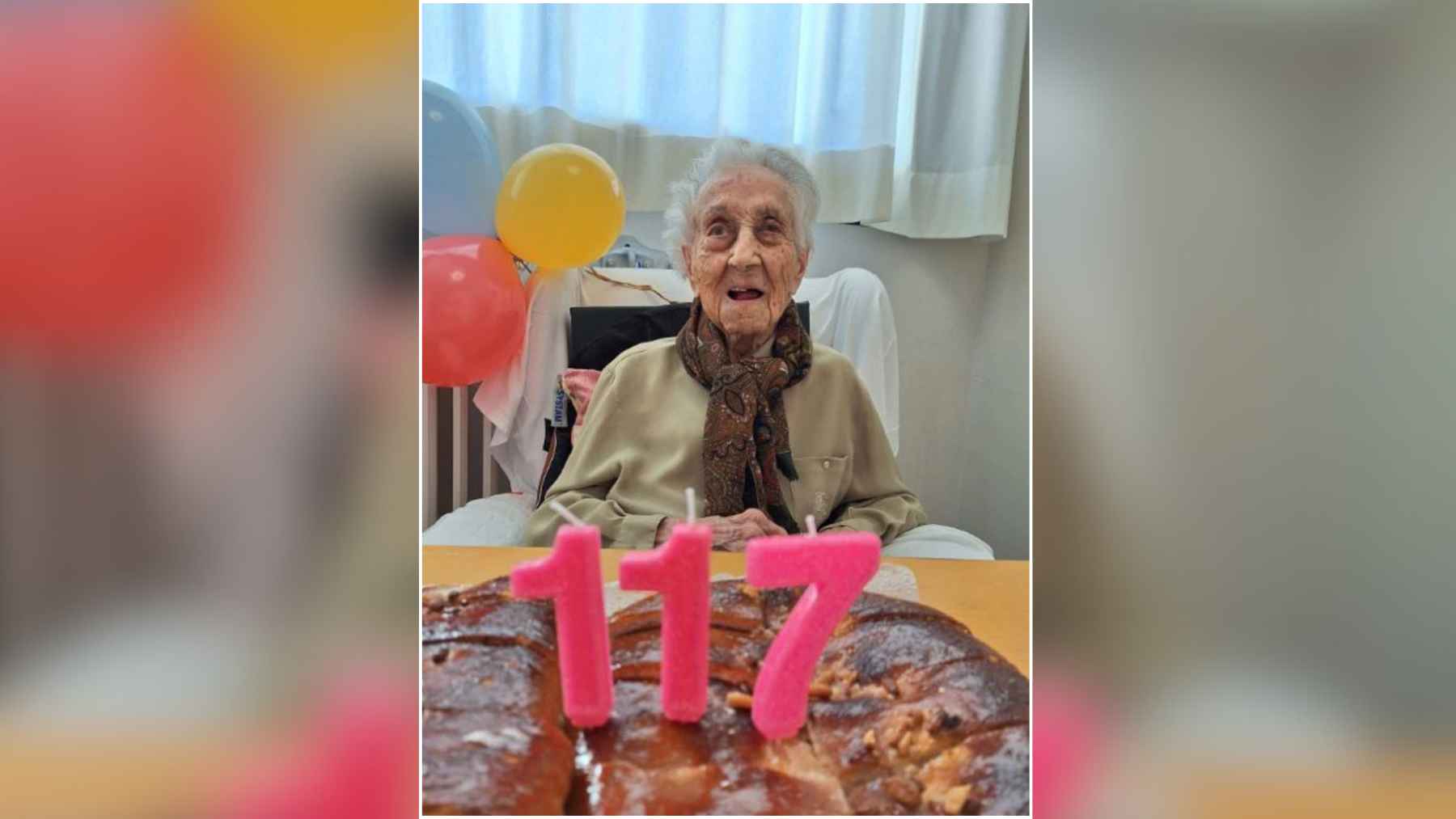
The woman who held the title of oldest living person on Earth has become a one-person map of human aging. Maria Branyas Morera lived to 117 years and 168 days, dying in her sleep in August 2024, after spending her final decades in Catalonia.
An international team led by Eloy Santos Pujol and senior author Manel Esteller has now examined almost every layer of her biology. In a new study, they report that while her body showed classic marks of extreme age, her genes, metabolism, gut bacteria, and epigenetic clocks looked much younger, which may explain why she largely dodged heart disease, cancer, and dementia.
Who was M116, the woman behind the record
In the paper, the researchers refer to her as M116, a code pointing to a blood sample taken when she was 116 years old. She was born in 1907 in San Francisco to Spanish parents, moved to Barcelona as a child, and eventually settled in a care home in the town of Olot.
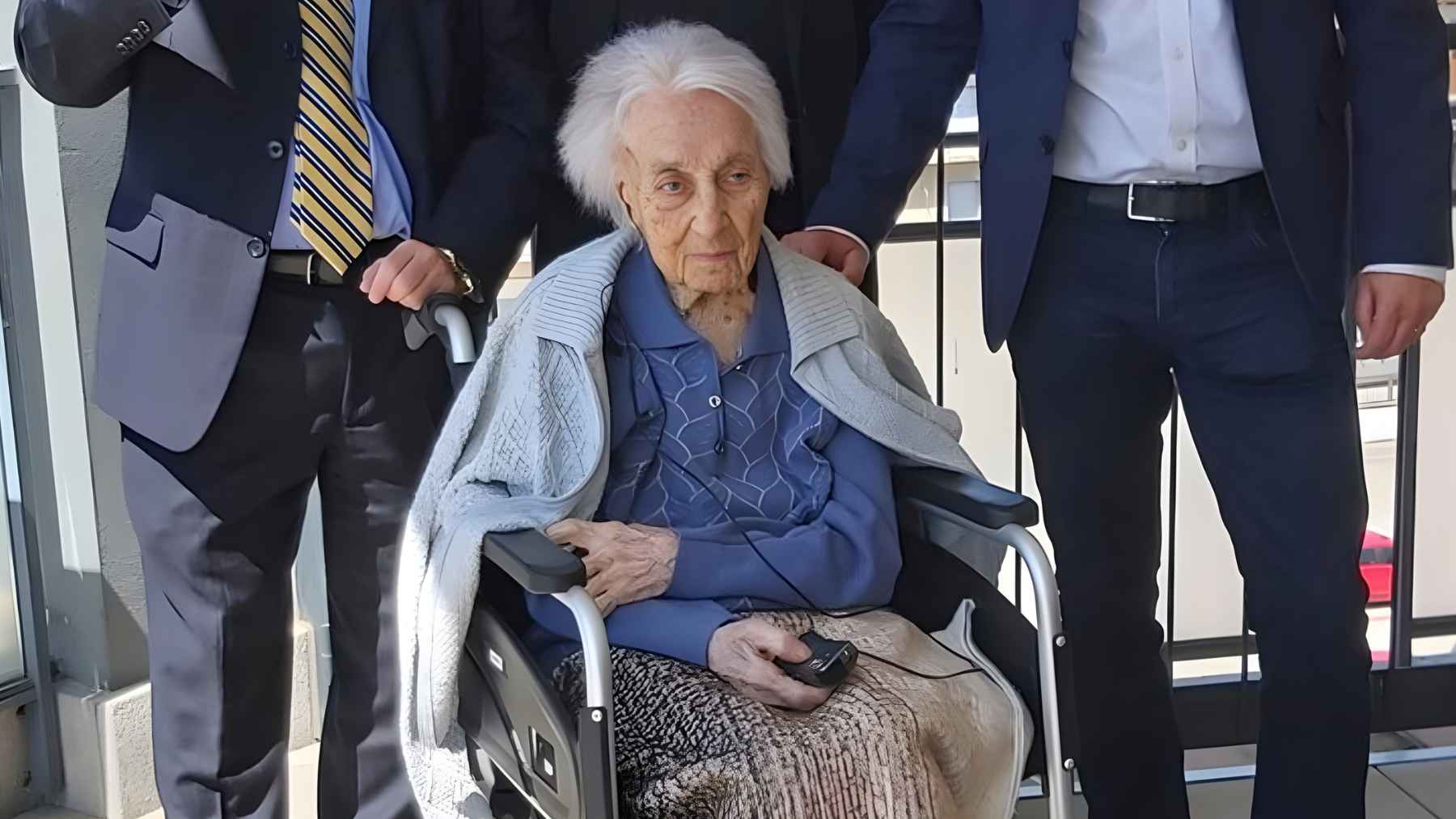
In Catalonia, the average life expectancy for women is about 86 years, so she outlived her peers by more than three decades. Despite some late life problems such as lung issues and arthritis, she never developed cancer or a diagnosed neurodegenerative disease, which already made her stand out among supercentenarians.
Old age in her cells without the usual diseases
The team used a technique called high throughput Q FISH to measure the length of her telomeres, the protective caps at the ends of chromosomes that shorten each time a cell divides. M116 had some of the shortest telomeres the lab had ever seen among healthy volunteers, a clear sign that her cells had divided many times.
Short telomeres are often linked with higher risk of cancer and age-related diseases, yet she never developed those illnesses. The authors suggest that in her case telomere loss acted more like a very precise clock of years lived rather than a trigger for disease, and might even have limited the ability of potential tumor cells to keep dividing.
Her blood also carried a pattern known as clonal hematopoiesis, where some blood stem cells pick up mutations and expand. M116 had mutations in genes such as SF3B1 and TET2 that are common in older adults and often seen as early warning signs for blood cancers, yet she remained tumor free and without major cardiovascular disease throughout her life.
A protective mix of genes and a remarkably healthy metabolism
Whole genome sequencing revealed thousands of rare genetic variants, including a small set that were not found in any of 75 comparable Iberian women. Several of these variants sit in genes linked to immune control, brain protection, heart development, and mitochondrial energy production, and she carried favorable versions of some known longevity genes while avoiding high risk forms of APOE.
Her blood chemistry was just as distinctive. Using advanced nuclear magnetic resonance, the team found extremely low levels of triglycerides and very low-density lipoproteins, along with high levels of high-density lipoprotein, sometimes called “good cholesterol,” and many large lipoprotein particles that are seen as less harmful for arteries.
That kind of profile matches patterns tied to longer life and lower dementia risk in large cohorts such as UK Biobank.
Markers of chronic inflammation named GlycA and GlycB were also low, hinting that her body was not stuck in the slow simmer of inflammation that pushes up the risk of heart attacks and diabetes. Only a handful of metabolites, such as higher lactate and creatinine with lower levels of some amino acids, signaled that her organs were finally reaching their limit near the very end of life.
Gut bacteria and epigenetic clocks that look years younger
The scientists then looked at the trillions of microbes living in her gut. They found unusually high levels of Bifidobacterium, a group of bacteria that usually declines with age but often stays abundant in centenarians and supercentenarians, and that has been linked to anti-inflammatory effects and healthier fat metabolism.
According to interviews and diet records, she ate about three yogurts a day that contained bacteria known to support Bifidobacterium growth, a simple daily habit very far from high-tech medicine. That fits with other research suggesting that a Mediterranean-style pattern of eating can nudge the microbiome toward species that support healthy aging.
Her DNA told a similar story. Epigenetic tests that read patterns of chemical tags on DNA showed many age-related changes, yet repetitive sections of her genome stayed tightly controlled, which may help keep the genome stable. Across several epigenetic clocks, including a ribosomal DNA clock originally described by Meng Wang and Bernardo Lemos, her biological age came out roughly two decades younger than her real age.
What this one life can and cannot tell us about aging
Researchers at the Cancer Epigenetics Group of the Josep Carreras Leukaemia Research Institute (IJC) describe this as a “fascinating duality” where clear marks of extreme aging live side by side with strong signs of healthy longevity. In other words, years and disease are not always as tightly linked as many of us assume when we look at a crowded pill box or a long list of diagnoses in very old patients.
The authors stress that this is just one person, so it would be risky to turn her case into a recipe for immortality. Still, her profile lines up with broader research on aging that points toward low chronic inflammation, efficient lipid metabolism, and a gut microbiome rich in beneficial bacteria, all supported by everyday habits such as a balanced Mediterranean diet and gentle but regular movement.
For the most part, M116 shows that cells can “feel” younger than the calendar says and that biology can sometimes stretch the healthy part of life without completely escaping the marks of age.
The main study has been published in Cell Reports Medicine.