The IEA has updated its forecasts for the coming year, and once again places photovoltaic and wind energy as the main generators. However, America is exploring a new source that only Japan (and a few other countries) know about, which could be defined as “generating power with water”. It is more futuristic than you can imagine, and we have already opened the largest hydrogen plant in history. We will produce up to 3 tons per day to create clean electricity on a massive scale.
America unveils its largest-ever hydrogen plant: We are producing 3 tons per day
SoHyCal is the largest green hydrogen production site that is currently in operation in North America, proving to be a monumental achievement in the search for workable green energy. This plant in Fresno, California, is developed for the synthesis of hydrogen solely from renewable power, this may be a great leap forward in the development of renewable power hydrogen stations.
SoHyCal based in California and owned by H2B2 Electrolysis Technologies is currently the first working green hydrogen production plant in North America. It is an official start decided on November 1, 2023, intending to generate up to 3 tons of green hydrogen daily with the help of PEM electrolysis technology.
How was SoHyCal developed? What has been done (and what is planned to do)
The plant since its establishment plans to support California’s goal of increasing clean energy and generally the hydrogen market. The plant operates in two distinct phases:The plant operates in two distinct phases:
- Initial Phase: At the present time, the SoHyCal application is fully implemented in the first phase, with a capacity of up to one ton of hydrogen per day. This production is generated by biogas from neighboring dairy farms, which shows concern for the conservation of regional renewable energy resources.
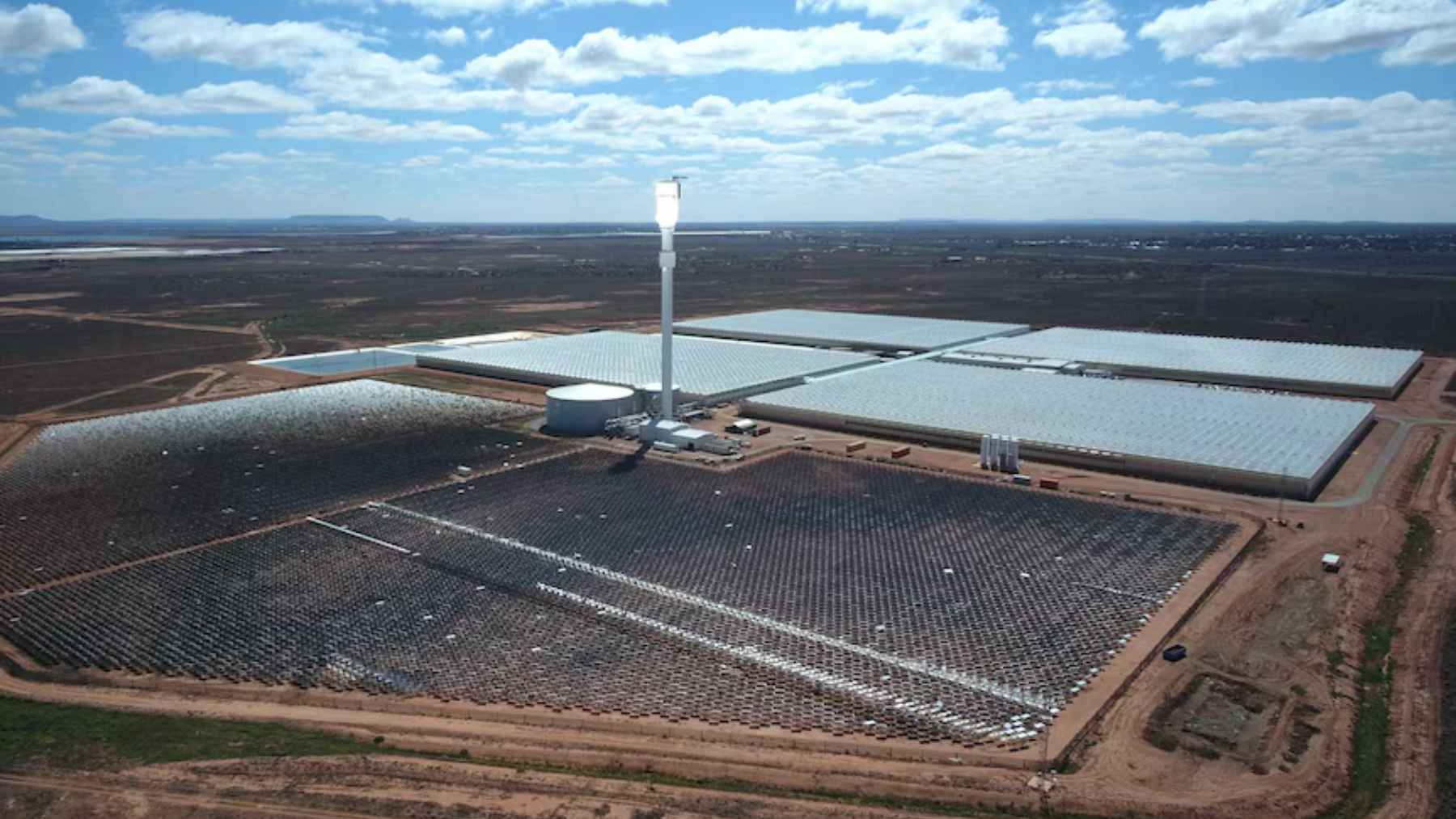
- Future Phase: The second phase, which is expected to start in the second quarter of the year 2025, is renewable energy, particularly from the sun. When the plant is fully completed, it will be able to produce a maximum of three tons of hydrogen daily from electrolysis with energy generated from a photovoltaic (PV) solar plant.
Up to $10 trillion of the most futuristic energy: We’re producing something better than photovoltaics
Therefore, the capability of SoHyCal in terms of production makes it a cog in California’s hydrogen ecosystem. The center is aimed at supplying completely carbon-less hydrogen, which is critically needed to lower the carbon footprint in mobility and other industries. Namely, the hydrogen produced will go to the increased need for clean fuel in the transport sector, which will help reduce CO2 emissions.
It should also be noted that the development of SoHyCal has been made possible by the active cooperation of the central stakeholders, such as the Fresno County Economic Development Corporation (EDC). They have been instrumental in the management of regulations, the acquisition of funds, and any other resource needed for this project.
It’s not about what we have done with SoHyCal: We are planning to achieve this
For SoHyCal it looks like that future is bright. The second phase of transfer to solar power is not for augmenting merely its generation capacities also for meeting California’s challenging targets for REs. This one and similar projects are considered as the projects with clear examples of how a state can continue the progress in developing the hydrogen sector on its way to the 100% clean energy.
In the second section of the business level strategy, H2B2 is also planning with the second source of competitive advantage to develop other hydrogen production centers other than the Fresno plant. Sustaining the demand for green hydrogen, the company planning in investing more to ensure the replication of SoHyCal system in other areas for the development of hydrogen economy.
The SoHyCal project is so promising that similar projects have already been launched in the rest of the world, but not with the same volume as ours. Everything goes through hydrogen, an idea that we have already shown you on previous occasions, but always with an eye on the “color” we produce: it’s okay if it’s blue or green, but never if it’s purple or red, much less if it’s black. Whether this plant continues to be a help or a step backwards will depend on all of this.