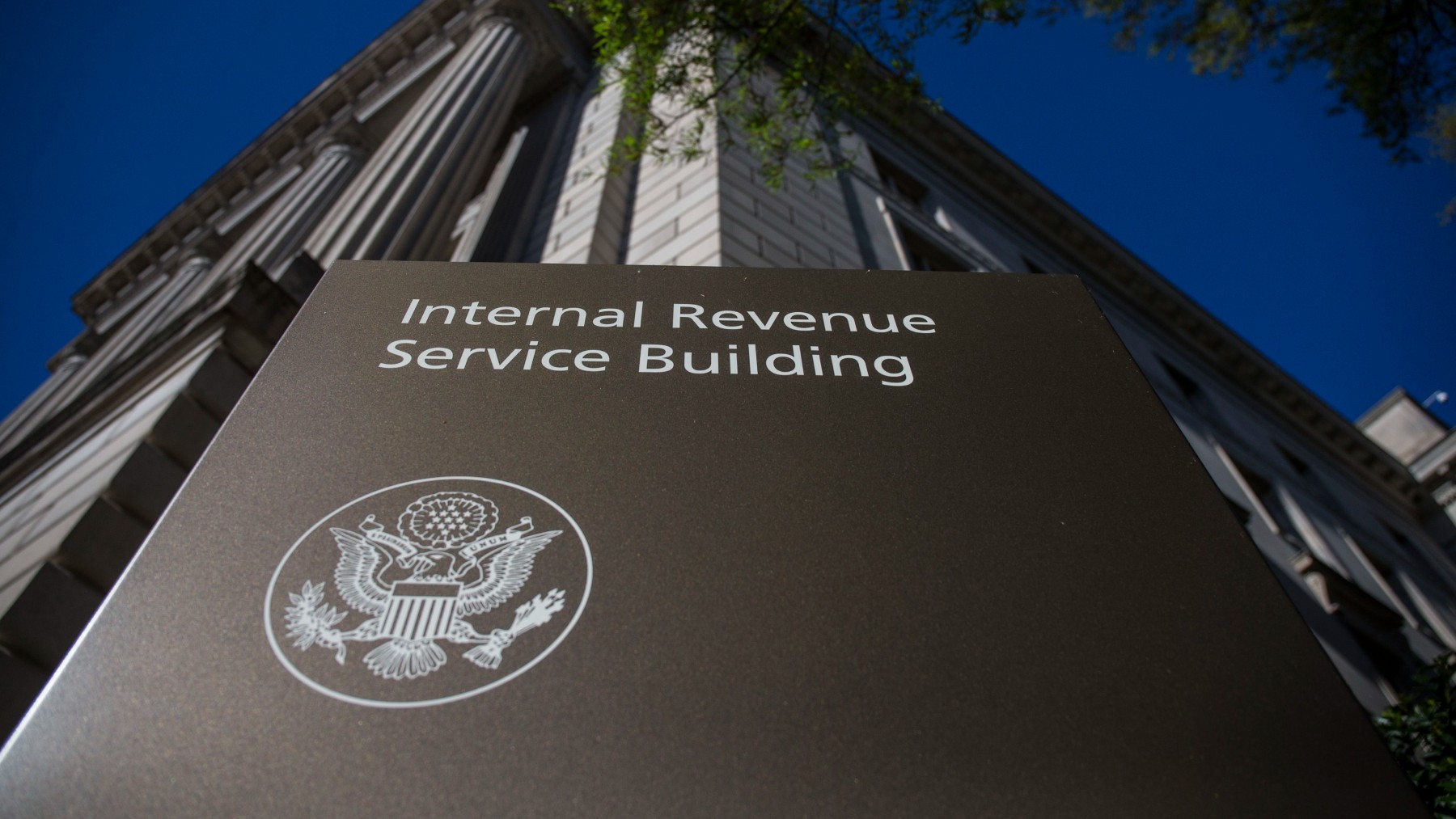
This week, there have been rumors circulating that a new 2600-dollar stimulus check for senior citizens is expected to be sent out, which confuses many Americans. However, the Internal Revenue Service (IRS) and other official sources have placed social pressure that this information is definitely fake.
In this piece, the author seeks to give the fans a clearer understanding of the occurrence and clarify how misleading information ended up being spread in the first place. And yet, the cost of living is only increasing further, and the economic future is unpredictable, to say the least; therefore, many seniors are ready for financial help.
But again, we need to demystify facts and myths as well as use facts to decide about the finances of a person or even the systems that the government is offering.
Uncovering the source: How fake news about stimulus payments spread like wildfire
It was in the news regarding the stimulus payment of 2,600 USD for seniors from fake news reports purporting to state that the IRS was providing direct deposits to people above 65, with disabilities, or blind people. These fabricated stories quickly went viral on social media, especially on Facebook and X, now Twitter,
The misinformation resulted in a lot of people genuinely thinking about the possibility of receiving a new stimulus check. It was further depicted in a manner that ordinary users were likely to believe was accurate and in detail, which made it difficult for the users to notice that there was a problem with the information.
It sparked the speculation that to become eligible for the payments, beneficiaries must have filed their annual tax returns, have a total gross yearly income of $75,000 or less, and qualify for federal Social Security benefits.
Official statements: Here’s what the IRS and AARP are saying
Due to the disorientation produced by this fake news, state authorities have come forward to provide accurate information. An IRS representative named Anthony Burke was particularly careful with what the service christened as Economic Impact Payments and affirmatively declared that ‘[w]e have issued all the Economic Impact Payments.’
In terms of the final authority, Burke urged the public to seek information from the official IRS website, irs.org, and the American Association of Retired Persons (AARP) has also come out strongly against this deception. An AI specialist for the AARP, McKenzie Sadeghi, said such hoaxes are created for the specific purpose of getting people to click and go to a website in fulfillment of which they do not tell the truth.
The IRS and AARP have appealed to the population to stay alert to fake news and to seek information from official channels.
How to spot and avoid falling for viral misinformation
In order to refrain from falling for fake news, one should establish ways of refusing the phony news. Examples of such tactics are:
- A confirmation of the data retrieved from the official websites of organizations such as the IRS
- Comparing the news received from different reliable sources
- Having doubts concerning the viral news that seems to be too incredible to be accurate
- Identifying the reliability of the author of the statement or the source from which the information is acquired.
It is necessary to keep in mind that the IRS stopped issuing COVID-19-related programs as of 2021, which might raise questions about supposed new pandemic stimulus payments. Hence, through awareness and critique, citizens do not fall prey to fake news and, consequently, can also evade any debilitating economic decisions.
Thus, the recent example of an unverified rumor attributing a $2,600 stimulus check for seniors is an example of a recent event that shows that critical thinking and checks have become crucial in the age of fake news. Initially, false news generates hope in some individuals; however, disappointments and possible financial mistakes are not far away.
Everyone should be wary of what they take from the internet, especially when the IRS issues an immediate appeal to ignore these rumors. It challenges people to follow official sources and try not to be gullible, as well as not to accept the first piece of information that is received as truth. In this way, we can safeguard ourselves and others from the ill effects of fake news and continue to believe in our governing bodies and ‘official news.’