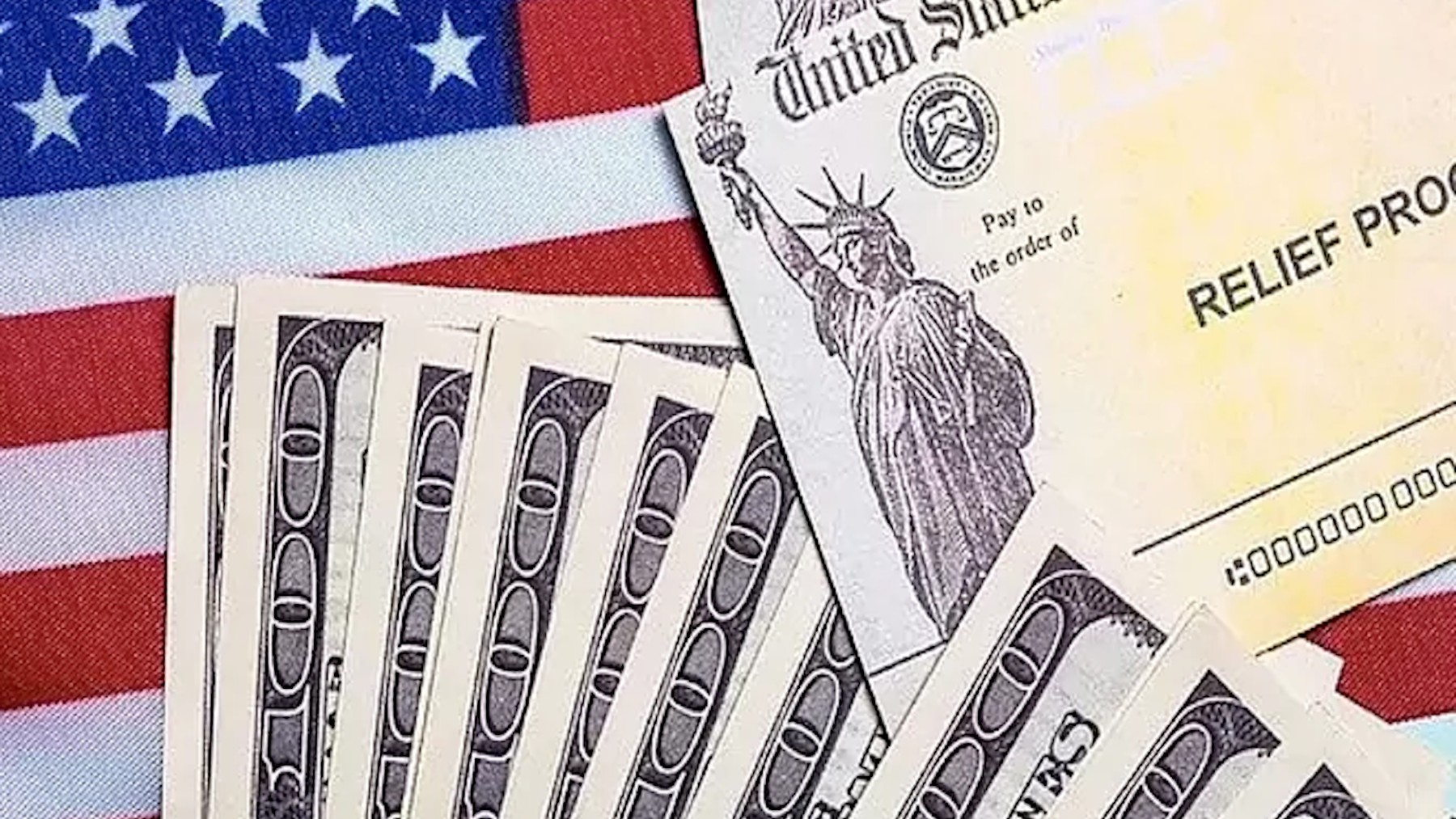
The coronavirus pandemic prompted what, for the federal government, was the most significant social and economic response since World War II. One of the most relevant demonstrations was the 2020 Stimulus Checks, which you probably got to receive. However, an unexpected problem has arisen: did you do this with the money? Thousands of people did, and now they must bear these consequences.
New Stimulus Checks in 2024? No, now it is time to return to 2020 for this reason.
Due to the COVID-19 pandemic, the onset of the first quarter of 2020 unleashed one of the severest economic crises in United States history, necessitating the disbursement of three rounds of stimulus checks amounting to more than $800 billion.
Even though such payments were supposed to help mitigate negative financial shocks in households, some Americans decided to use the stimulus money to make investments in high-risk so-called meme coins. One such example is SHIB, which also started in 2020 and quickly became popular as Shiba Inu.
Many people received their $1,200 stimulus check during this period, and if they were to invest in SHIB, they would now be billionaires. The above translated may appear to be a significant profit boost, but this shows the fact that with high-risk investments, there are usually high risks involved.
Inflation has just exceeded forecasts: Goodbye to your Stimulus Checks in 2020?
Cutting back on spending and decreasing government borrowing to reduce the deficit long-term is not realistic at the moment due to the increased public debt resulting from the stimulus checks and other relief measures given by the U.S. government based on the COVID-19 pandemic.
The U.S. public debt reached approximately 340 percent, or $34 trillion, by the end of 2023, and this quantum of funds is approximately one hundred one thousand U.S. dollars per head of the total population of the United States.
Such a level of indebtedness has put the U.S. in danger for so long that the IMF has been forced to warn America that if the current trend continues, “something has to give”. The measures undertaken by the government and the actual outcomes of the pandemic regarding the economic aspect are appearing right now.
The risk of stagflation has been a concern that JPMorgan acknowledges probably has not been adequately addressed. Other renowned investors, such as Robert Kiyosaki, have also been anticipating a major recession. This situation has manifested most recently through social media wars, as you know.
Beyond the investment: How the 2020 Stimulus Checks were used
The stimulus checks may have brought the much-needed boost to many households, but Americans spent or invested in the money differently. A survey conducted found that:
- 40 % of the stimulus cheques were spent on consumption items.
- 30 % paid as savings.
- 30 % percent was used to pay off bills.
Out of the large stimulus check receivers, more extensive households, elders, or individuals out of jobs or living with parents have generally used the funds. Using stimulus money to invest in risky meme coins such as SHIB highlights the dangers of investing in a specific area, especially in unpredictable markets.
Some investors have received substantial profits, but the more significant economic effects of the pandemic and government responses are now coming to light. However, you know by now that low-income families weren’t exactly geared toward investing, right?
As you have seen, the investment derived from the 2020 Stimulus Checks went beyond what we expected, with financial results that may have helped thousands of families. Those who opted for this route will now be seeing the benefits of doing so, but thousands (or millions) of families did not have that opportunity, and at least they received money that helped them get ahead.