Social media posts and chain emails are once again claiming “new stimulus checks” are landing in February 2026, often by “IRS direct deposit.” It sounds tempting, especially when money is tight and prices still sting at the grocery store.
But based on what federal agencies and budget analysts have publicly documented, there is no new federal stimulus program scheduled right now. Any new round of checks would require Congress to pass a new law, and nothing like that has been authorized.
No new federal stimulus checks have been approved
The last nationwide “economic impact payments” were issued during the pandemic, with the final round going out in 2021 under existing law. That’s why “February 2026 stimulus” posts keep collapsing under basic reality checks from official sources like the IRS.
If someone claims the IRS is “about to send everyone money” without a new law, ask the simplest question. Where is the legislation?
The real IRS direct deposits people confuse with “new checks”
One major reason the rumor won’t die is that the IRS did send money more recently, but it wasn’t a new stimulus program. In December 2024, the IRS announced automatic payments for about one million eligible taxpayers who failed to claim the 2021 Recovery Rebate Credit, worth up to $1,400 per person.
Those payments were tied to 2021 tax returns, not 2026. The IRS also stressed there was a firm filing deadline to claim that credit if you had not already, and once the window closed, it closed.
Tariff dividend talk is not the same as money in your account
President Donald Trump has publicly floated the idea of a $2,000 “tariff dividend” funded by import taxes, but details remain limited and there is no finalized plan or payment schedule. Analyses from the Tax Foundation and reporting citing Democrats on Congress’ Joint Economic Committee both underline the same tension. The math is complicated, and the money has not been approved for broad checks.
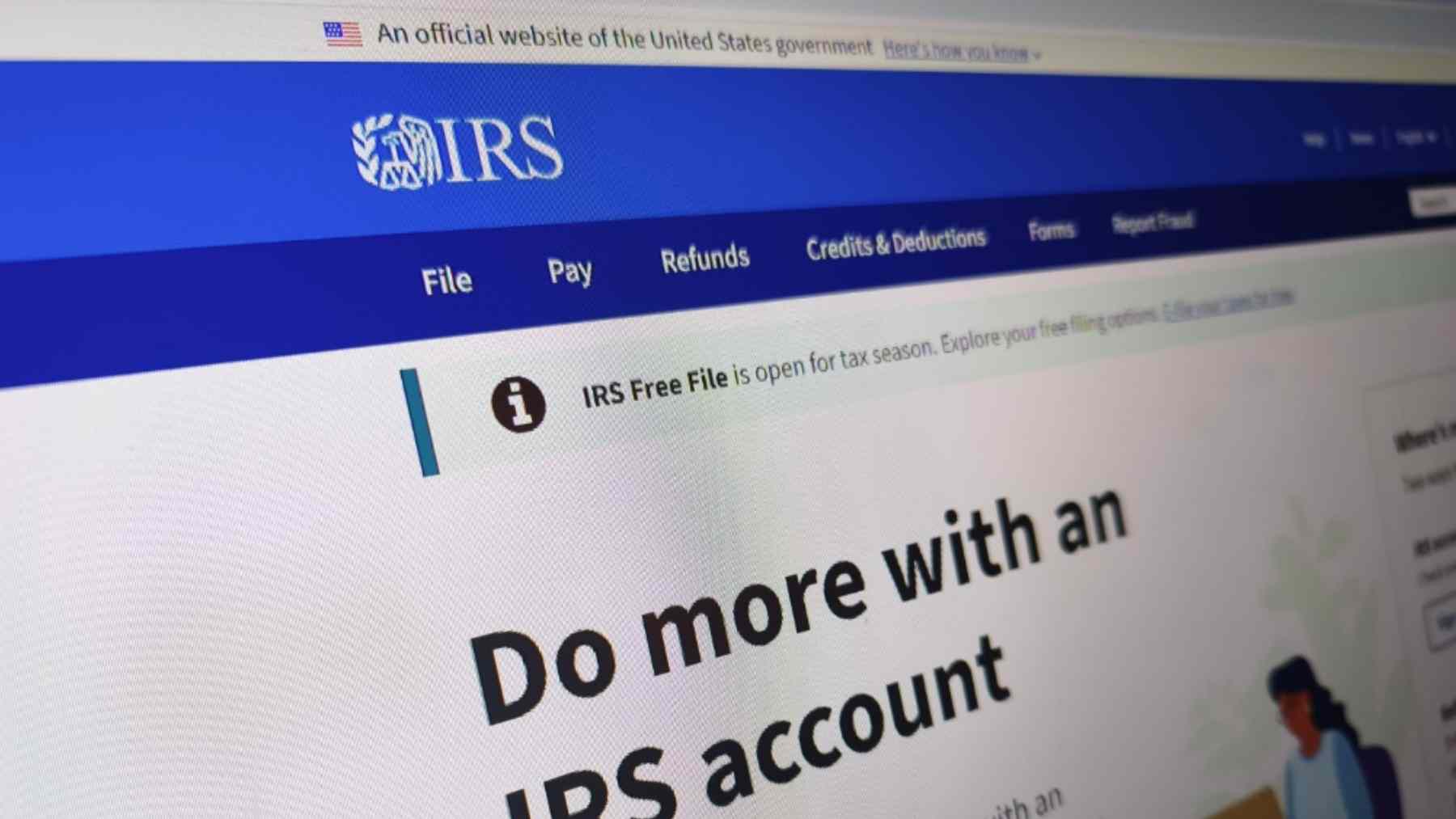
Meanwhile, the most practical “cash flow” question for most households is still your tax refund. The IRS says you can verify your real refund status through Where’s My Refund? rather than trusting screenshots and viral posts.