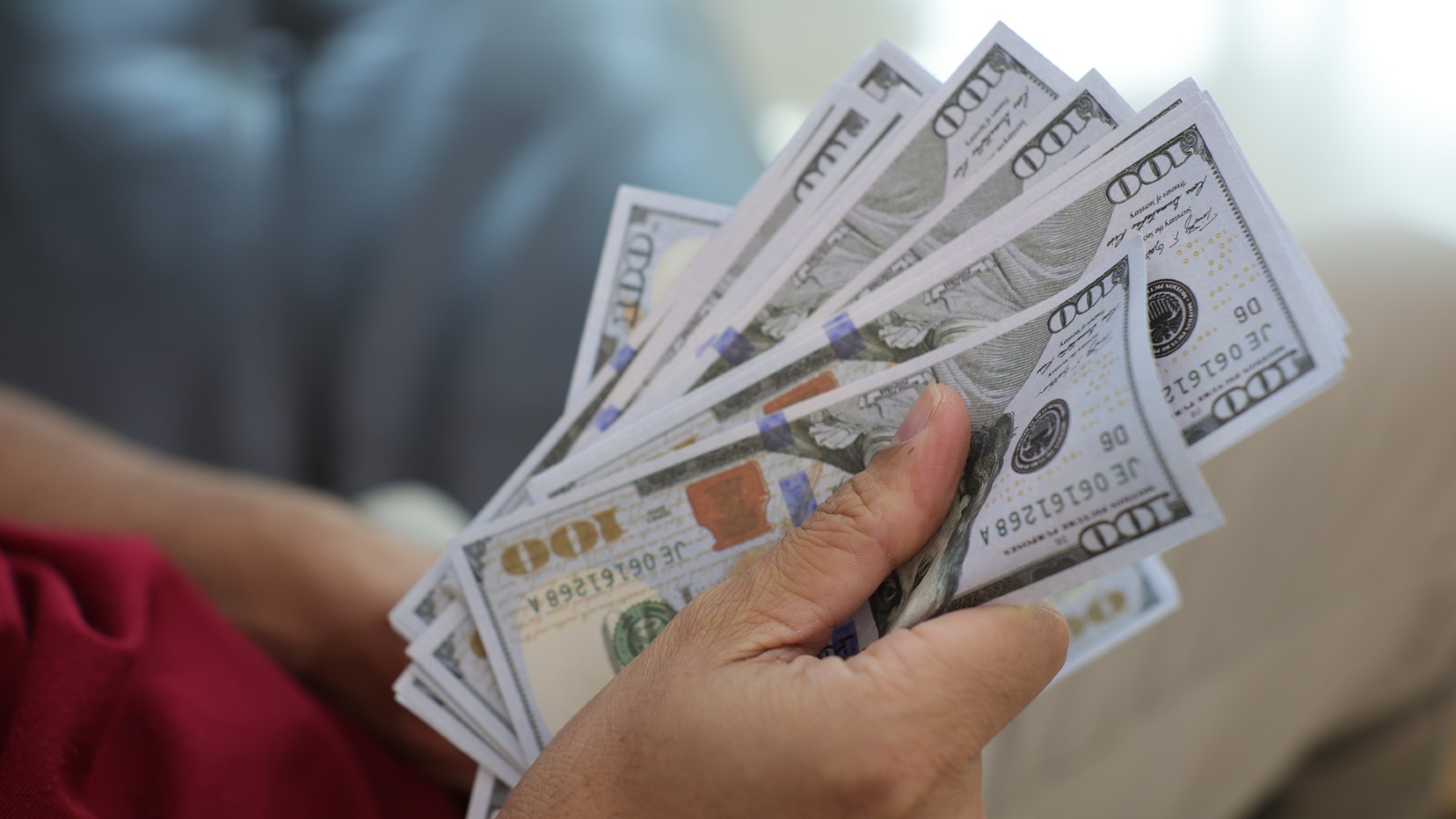
Missouri citizens have an excellent chance to get back some of the money they use to fuel their vehicles this summer through the tax rebate schemes. With fuel prices remaining high and putting a continued strain on the general public, this demonstrates much-needed relief for drivers across New Jersey. Feeling concerned about the high gas tax, Missouri motorists can learn about the requirements and steps necessary to apply for this rebate and thus save some dollars during one of the most popular seasons for car travel.
Get your Tax Rebate: The exact steps you must follow to apply now
Being a Mirage for the year, the Missouri drivers had to store their receipts for the gas tax within the financial year from July 1, 2023, to June 30, 2024. The application is now available; farmers can apply at their earliest convenience; the application is due by 09/30/2024. Any citizen who wishes to apply for an abode in the state must fill out form 4923-H, available online.
The form only calls for the applicants’ vehicle identification number and total gallons of gasoline and diesel bought and used. The state has provided unique phone line numbers for applicants needing help or with questions regarding the application process through phone numbers (573 751 7671 or 800 735 2966) and an e-mail address. Applicants are advised to compile all forms of identifying information to submit their claims before the deadline and not to lose this chance.
Everything you need to know about the Gas Tax Increase and its implications
The gas tax rebate program was developed by Senate Bill 262 of 2021, which allows changing the state’s gas tax annually. It primarily aims to generate more funds to maintain and repair highways and other structures in Missouri. Previously, the gas tax was 24 cents. However, the new rate should be as follows: This happens in the middle of the year; thus, from July 2024, the gas tax is increasing.
Today, they raised the price from 5c per gallon to 27c per gallon and gradually increased it to 29c per gallon, five cents per gallon in 2025. This information was obtained from the company’s statement about the measures that will be adopted gradually to facilitate the production of green cars. However, these taxes have been gradually raised by small percentages, and even then, Missouri is still low on the list for the amount of revenue collected per mile of road.
One major proponent of this outlook has been Governor Mike Parson, who highlighted the importance of an inappropriately functioning transportation network for economic development. The rebate program is the middle ground in this case, as it helps the state establish an efficient means of funding its infrastructural needs yet offers drivers a way to reclaim some of their costs from purchasing gasoline.
Financial impact of the Gas Tax Rebate: How much can you really save?
Thus, although the gas tax rebate may not put most drivers ahead by hundreds or thousands of dollars each year, saving considerable amounts for those who heavily rely on cars is still possible. According to the Missouri Department of Revenue, Missouri drivers got a rebated average of $27 for every gallon of gas in 2022. While this figure is not very high now, it is a significant saving for many families, particularly if we consider it along with other cost savings.
It does the same to residents through the rebate program and may contribute to the residents paying attention to fuel consumption, thus being more financially disciplined. In the same respect, Missouri drivers enrolled in the program directly contribute to the state’s infrastructure improvement. At the same time, they feel there is some relief from the financial burden road improvements put on them.
How to leverage the Gas Tax Rebate program for long-term savings
Finally, Missourians may use the gas tax rebate program to save money on fuel costs while investing in significant upgrades to infrastructure. This initiative should, therefore, encourage eligible motorists to monitor their gasoline carefully and start applying before the end of September. Although each is rather small, the program can be considered a significant attempt of the state to act as a mediator between the requirement for infrastructural investments and the financial capabilities of the population. Thus, by engaging in this program, Missouri drivers can contribute toward improving their state’s traffic infrastructure while possibly saving their hard-earned money in some of these challenging fuel price instability periods.