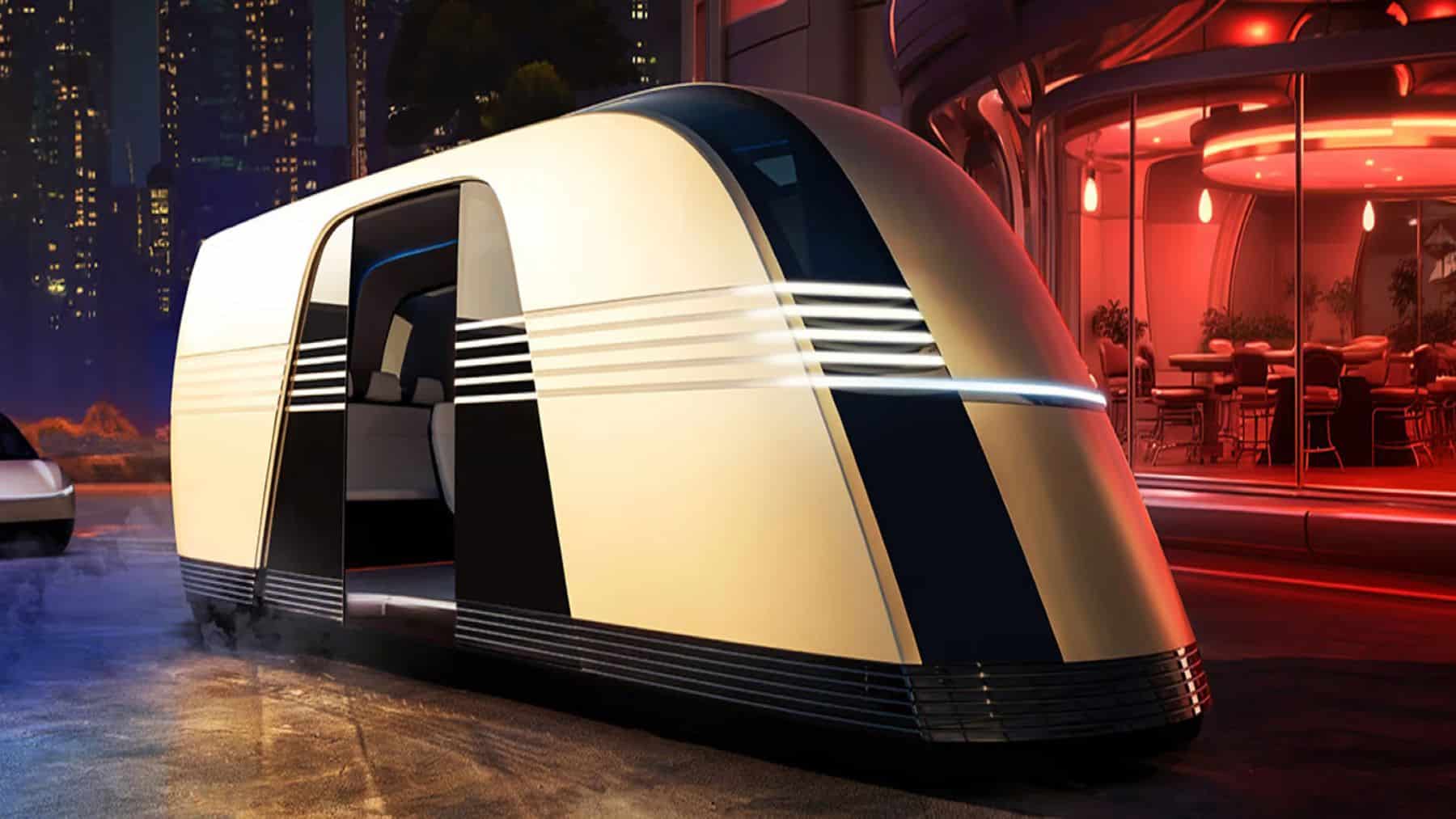
Elon Musk, Tesla’s CEO, predicts that the company’s Tesla robotaxi service will start operations in Austin, Texas, in June 2025. Musk’s extensive proposal will transform city transit through Texas’s lax regulatory system, which enables self-driving vehicle use on publicly accessible roads. According to his outline, Musk’s ambitious robotic taxi strategy will begin operating on Austin’s public roads by June 2025.
Texas leads the way as the destination for the largest experiment involving autonomous driving vehicles
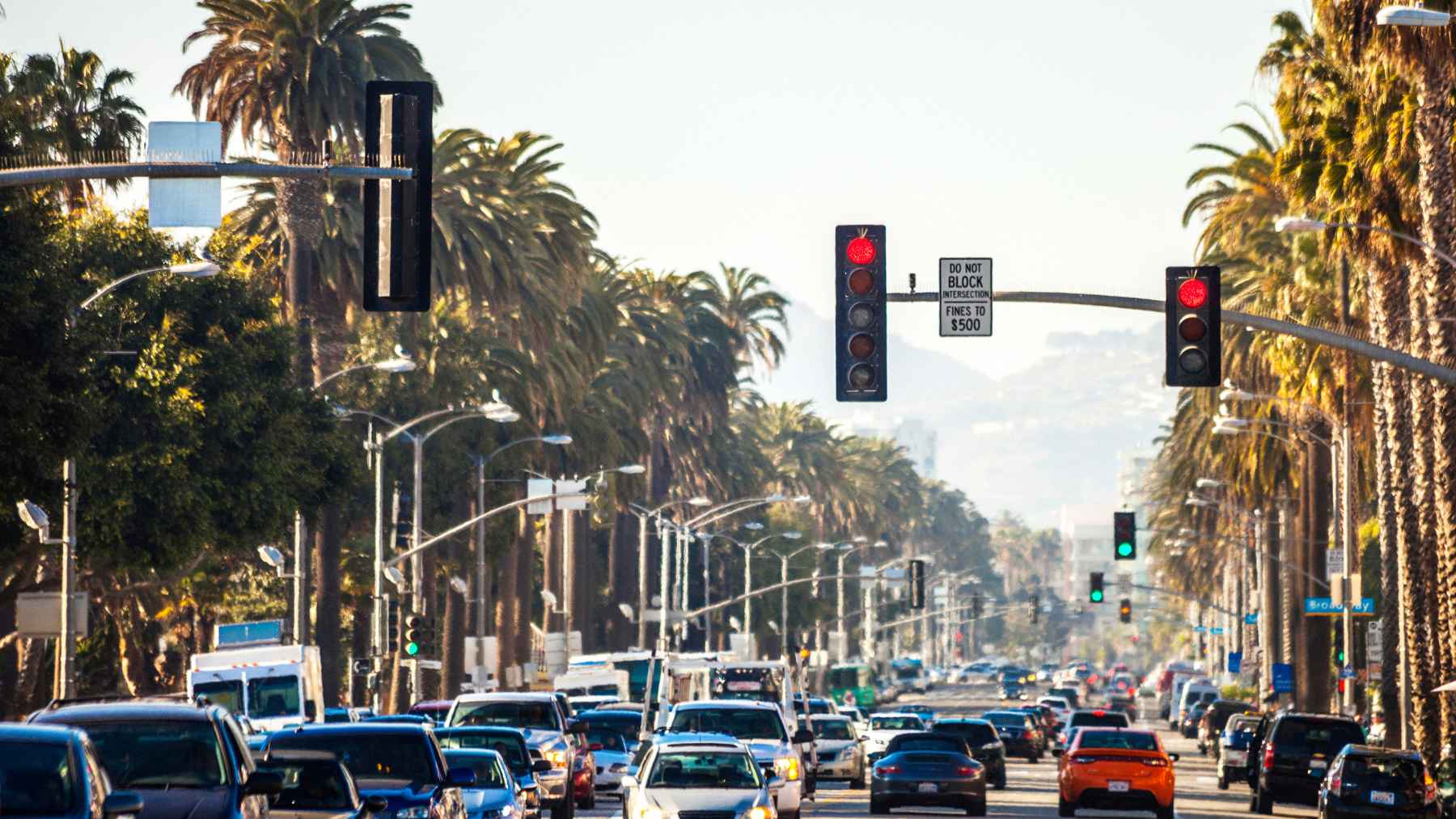
The lenient regulatory framework of Texas serves as the main reason Musk decided to start his robotaxi service in Austin. Texas has established less stringent rules for autonomous vehicles than California, thus providing a more favorable environment for auto manufacturers. Public roads in Texas enable autonomous vehicle operation under state regulations that mandate registration and insurance coverage while omitting special permits or restrictions. The regulatory environment matches Musk’s governance perspectives because it gives ample space for developing and testing innovative technologies.
Texas Senate sponsor Kelly Hancock sought to minimize government regulations because she wanted the industry to flourish through autonomous-driving legislation endorsed in 2017. The Texas State Senator Hancock explained his preference for minimum government regulation by staying loyal to conservative principles. Different state regulations should not exceed one thousand specifications. The approach of government regulation can lead industries to a complete death. The absence of regulatory barriers enables Tesla to conduct experimentation that propels innovation because bureaucracy creates no obstacles to their progress.
Even though Texas offers Tesla accommodation regulations, there exist potential issues regarding vehicle safety and the vulnerability to legal complications. Various Tesla vehicle accidents led to criticism of its Autopilot and Full Self-Driving (FSD) systems. Tesla would face substantial legal responsibility by introducing self-driving taxi services to the market. The Legal experts believe crashes with Tesla vehicles would make Tesla alone responsible while the company assesses whether it can handle this risk to advance autonomous driving technology.
The residents of Austin need to prepare for the arrival of autonomous taxis during this year’s summer months
Musk provided relevant details about the planned deployment schedule for Tesla’s robotaxi service during its Q4 2024 earnings call. According to him, Tesla will introduce an autonomous ride-hailing service in Austin starting in June 2025. The new service will be the industry’s first self-driving solution, which is a paid service delivery without human supervision.
According to Musk, the first phase of deployment consists of a few vehicles serving well-defined areas within Austin. Musk expressed during the interview that the team would initially test the water by introducing just one limb into the operation before introducing additional limbs. The gradual implementation of this safety method plans to protect people both outside vehicles and inside.
After its debut in Austin, Tesla plans to deploy this service throughout different American cities before 2025 concludes. The expansion of autonomous robotaxis depends on positive Austin results and acceptance from different local jurisdictions. According to Musk, Tesla has enough confidence in its technology to expand rapidly when they have solved their initial obstacles.
Various experts predict that these primary barriers will delay Tesla in achieving its objectives.
Tesla faces numerous difficulties and complaints regarding its newly launched Robotaxi service, which needs immediate resolution. The path toward offering autonomous ride-hailing services proves challenging because of technical constraints and public security considerations.
The Full Self-Driving system from Tesla faces technical obstacles that make its large-scale release doubtful, thus drawing adverse reactions from critics. The company trails behind competitors Waymo and Cruise by having accumulated fewer miles in self-driving tests, which creates uncertainties about system reliability. Investors and experts doubt the potential of Musk’s FSD system making “no one in the car” operational because he promised “unsupervised driving.”
Hamilton County residents and local government officials in Austin have demonstrated skepticism toward autonomous vehicle implementation on public streets. The growing number of driverless vehicles in the city has caused various accidents between pedestrians, cyclists, and drivers of other vehicles. Residents have complained about the significant risks associated with testing untested innovations in actual operational settings. Austin City Council member Zo Qadri complained about their powerless position regarding the situation by saying, “Ultimately, we have no power.”
Will Tesla robotaxis transform how cities transport their people in the future?
Introducing Tesla robotaxis demonstrates a major contribution to future city transportation solutions. The use of autonomous technology enables Tesla to build a better transportation system while maintaining sustainability at this level. The achievement of this business initiative depends on Tesla’s capability to satisfy upcoming technical issues alongside legal requirements and safety standards.
The general use of robotaxis will create substantial economic consequences while supporting environmental benefits. Through its service, Tesla may decrease transportation expenses and reduce automobile traffic volume by eliminating the requirement to own vehicles personally. The use of electric vehicles within robotaxis contributes to environmental objectives because it supports sustainable urban transport while decreasing emissions in the fleet.
Companies under Musk implement a robotaxi service that approaches mobility from a new perspective beyond traditional transportation methods. Tesla plans to construct a flexible, autonomous transportation system to serve urban populations through advanced AI and machine learning. Realizing this vision would reshape city-wide movement by providing enhanced accessibility and convenience for all residents.
Tesla has initiated a noteworthy move into autonomous transportation through their Robotaxi service launch in Austin, Texas. This revolutionary enterprise benefits from Musk’s constant belief and Texas’s backing of regulations during its challenging but promising development path. The world observes Tesla’s driverless technology deployment process to determine if Musk will make his futuristic goals practical.