Extreme heat is turning many cities into ovens, especially during long summer heat waves when concrete, asphalt, and glass trap the sun’s energy. Researchers warn that in the United States, extreme heat is already the leading weather-related cause of death, killing more people each year than hurricanes or floods.
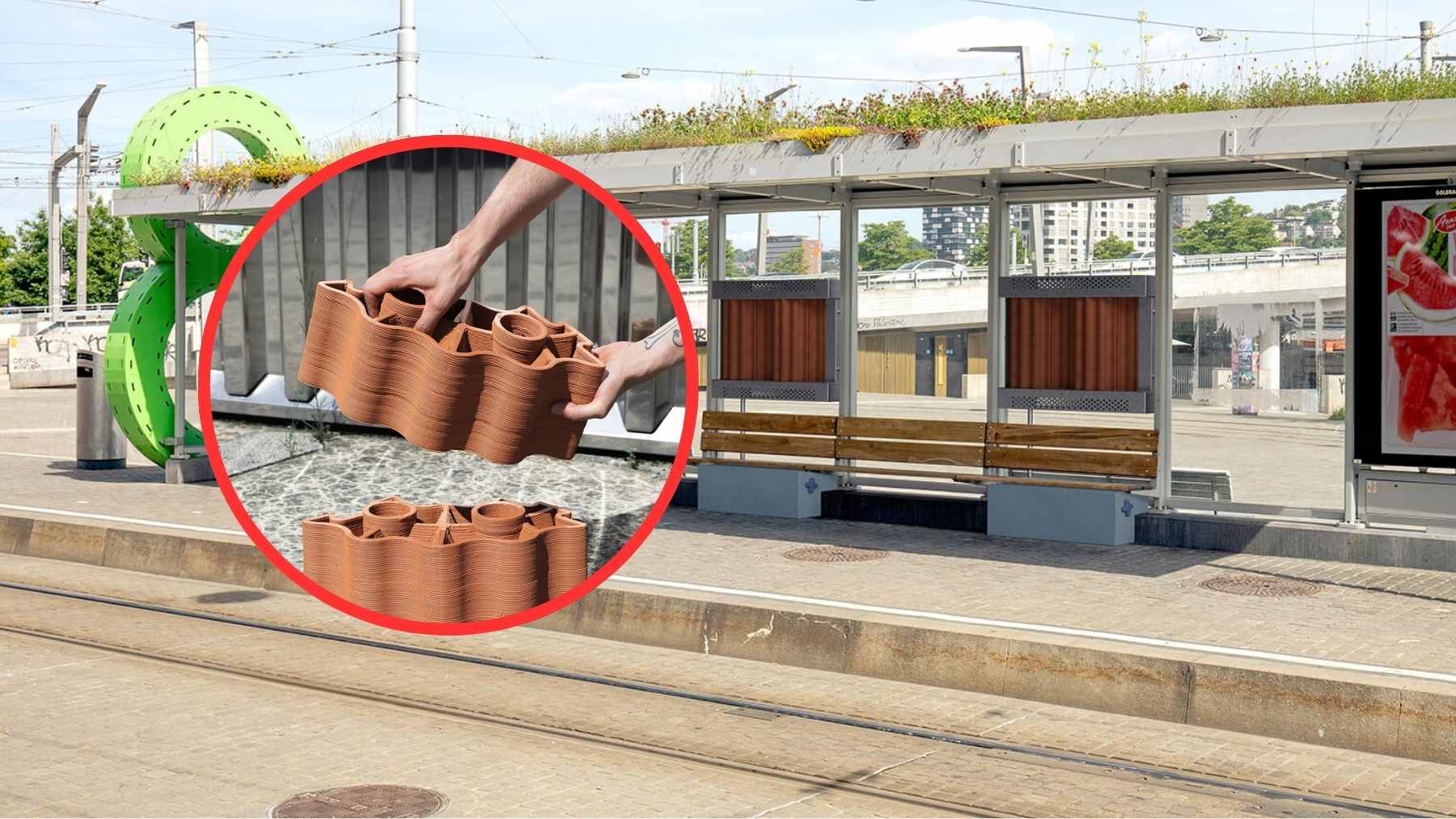
While most of us reach for air conditioning and brace for the electric bill, two industrial design students in Switzerland took another route. Andrin Stocker and Luc Schweizer at Zurich University of the Arts created Bloc, a modular terracotta brick that can cool outdoor spaces by up to 9 degrees Celsius using only water, clay, and a small solar panel, a concept that became a national runner up in the 2025 James Dyson Award.
Why a cooling brick targets urban heat islands
Urban heat islands happen when buildings, roads, and other hard surfaces soak up heat during the day and slowly release it at night. Satellite readings show that city surfaces can run many degrees hotter than nearby rural areas, which is why standing at a bus stop on a paved square can feel so punishing.
A recent study in the journal PLOS Climate found that extreme heat events are becoming more frequent and deadly across the United States. The authors argue that this rising heat mortality reflects a new baseline risk for many communities.
That kind of warning has pushed designers and city planners to look for passive cooling ideas that do not depend on power hungry machines. Bloc fits into this search by trying to cool the exact spots where people wait, work, or rest, rather than trying to chill whole neighborhoods.
How Bloc uses water, clay, and sunlight to cool air
Bloc builds on a simple idea known as evaporative cooling. When water evaporates, it takes heat from the surrounding air, the same way sweat cools your skin on a hot day, and traditional clay water jars keep their contents cool without electricity.
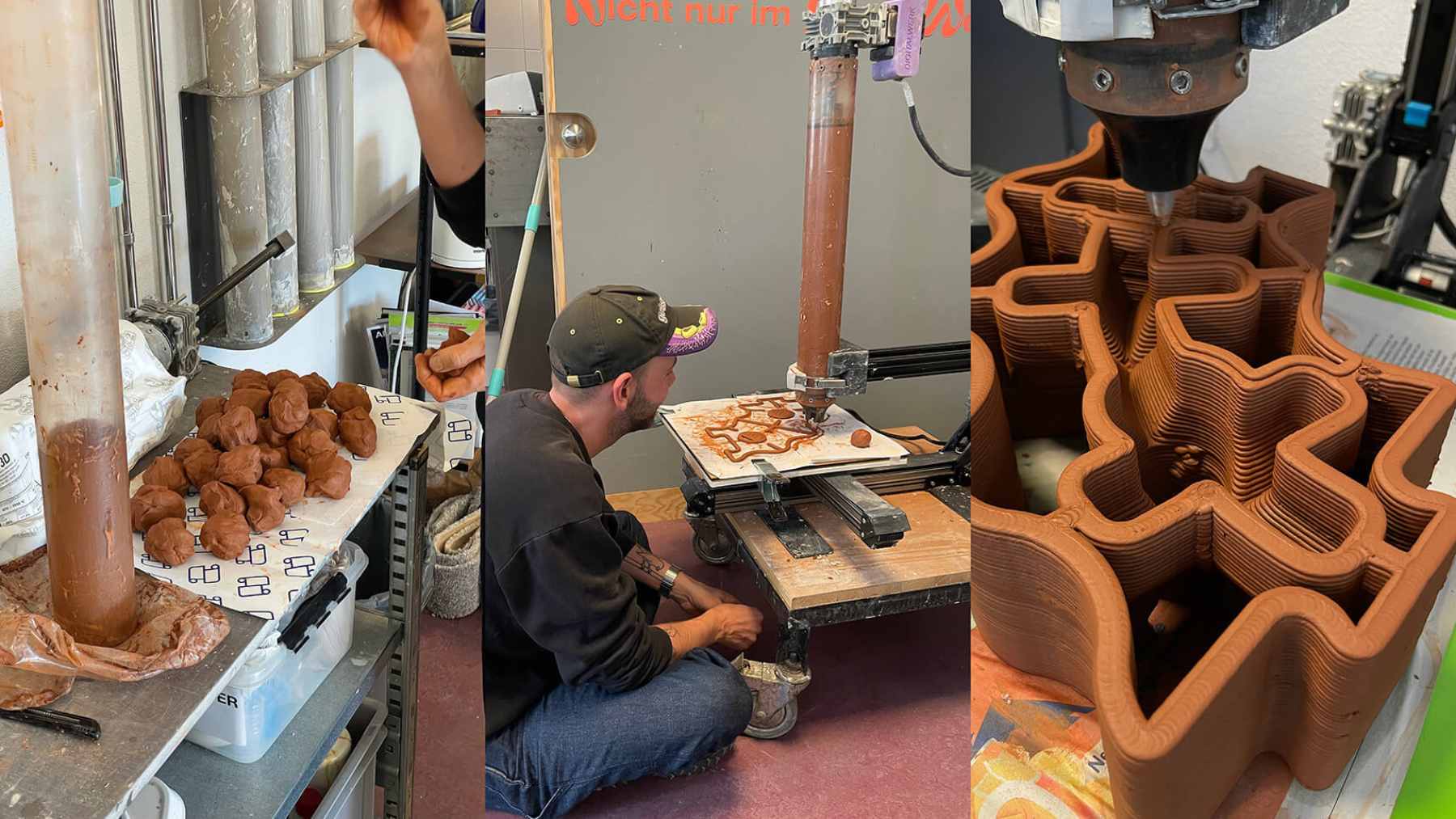
Each Bloc unit is a 3D printed terracotta brick with a porous surface that soaks up water. A small solar powered fan pulls warm air through the wet ceramic channels, and as the water evaporates, the air that emerges on the other side can be up to 9 degrees Celsius cooler in testing.
On very hot days above 30 degrees Celsius, a full Bloc installation uses about 56 liters of water, supplied either from city pipes or from rain collected on its funnel shaped top. A compact solar panel produces roughly 200 watt-hours each day, enough to run the fan and a small pump, so the system can operate on its own without drawing power from the grid.
A modular wall for bus stops, plazas, and schoolyards
Stocker and Schweizer designed Bloc as modular street furniture that can be stacked and rearranged. The bricks form low walls and sculpted surfaces that fit naturally beside benches, tram shelters, planters, or schoolyard fences, turning patches of blazing pavement into pockets of cooler air.
To get the proportions right, the team used virtual reality headsets and worked at full scale inside a digital cityscape. That way, they could walk around different Bloc layouts and see how people might lean against them, move past them, or gather in the shade.
They also borrowed ideas from nature, especially the self-shading ridges seen on cacti, to reduce direct sun on the bricks and boost cooling efficiency. The result is a system that feels familiar, more like a curved low wall than a piece of industrial hardware, which matters when you are dropping it into crowded sidewalks and public squares.
What makes this cooling brick different
Terracotta cooling systems are not entirely new, and engineers and architects have already tested walls made of hollow clay tubes and cones that use the same evaporation principle. One project in India, highlighted by the UN Environment Programme, used a beehive-like grid of terracotta cones to cool a factory courtyard while avoiding refrigerant gases.
Bloc sets itself apart in a few ways. Each brick includes its own water storage volume, which helps overcome the limits of capillary action that earlier designs relied on, so the system can grow in height and width without losing performance.
The designers also added active airflow from solar powered fans and pumps, which keeps evaporation going even in more humid climates such as Central Europe. That blend of low tech materials and gentle mechanical help makes Bloc flexible enough for different cities, from dry southern plazas to sticky northern summers that feel like walking through a sauna.
Next steps and what it could mean for cities
The next major milestone for Bloc is real-world testing. Stocker and Schweizer plan to install a full-scale prototype in an actual urban setting to track long-term performance, especially in humid weather, and to gather feedback from the people who sit, wait, and walk around it.
They are also exploring ways to integrate the bricks into building facades or to cool large indoor spaces such as industrial halls, which could trim mechanical cooling loads where air conditioning is still needed. In a world where heat waves already claim hundreds of thousands of lives over a few decades, even small oases of cooler, cleaner air at bus stops and school gates could make daily life more bearable for those who cannot escape the heat.
The official project description has been published on the James Dyson Award website.