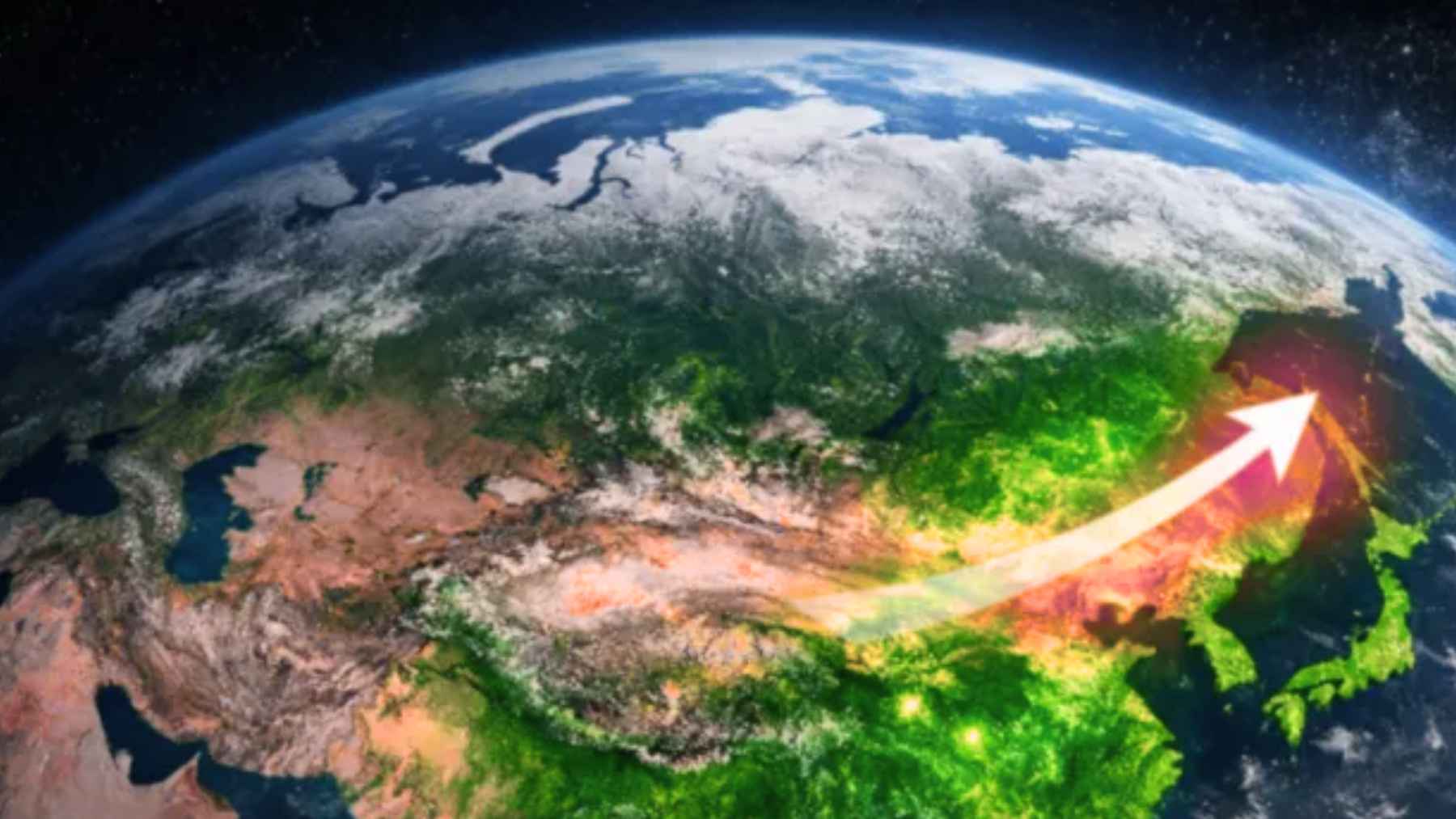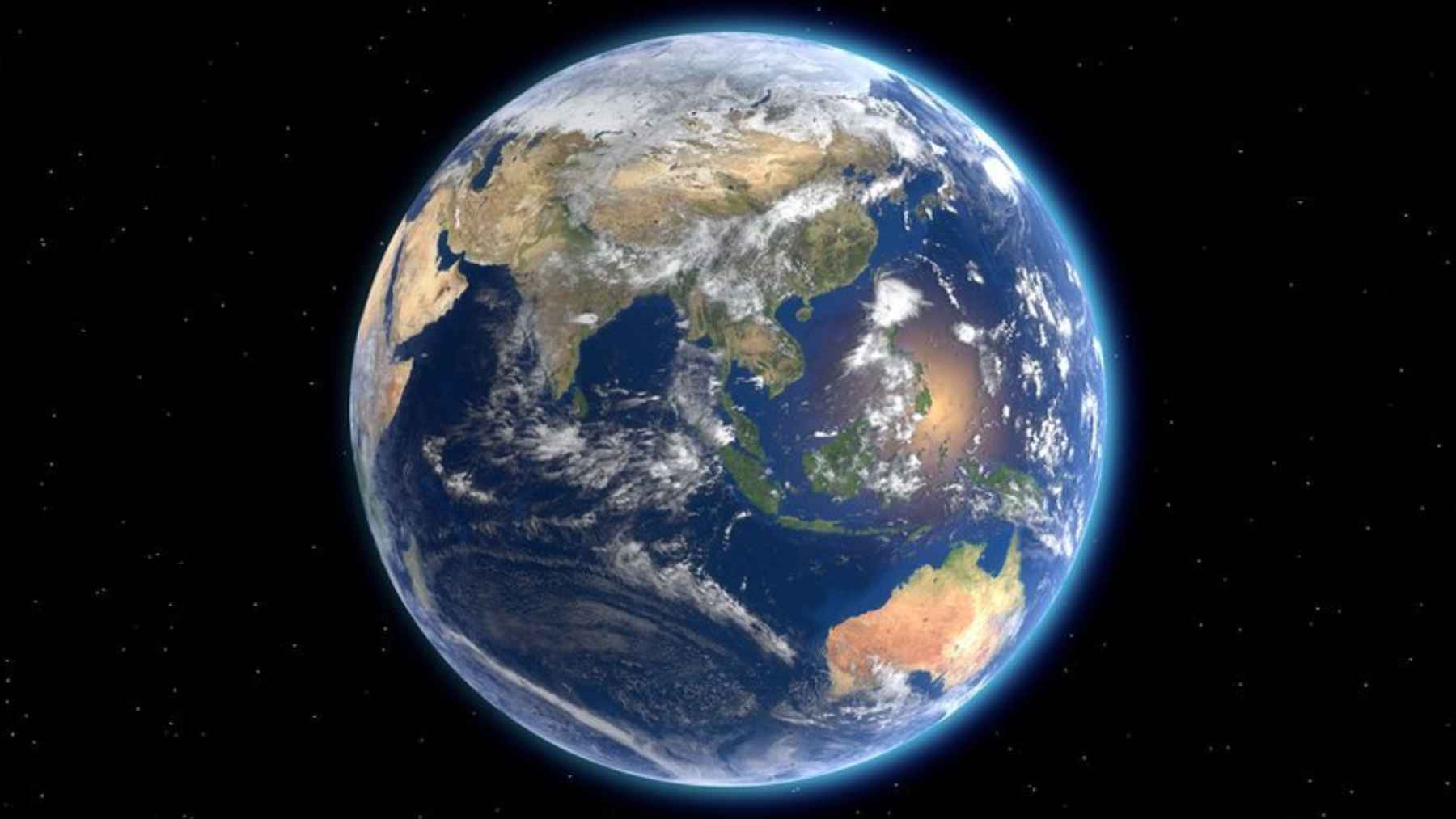
Earth is holding on to more heat than it releases, and new climate reporting suggests the gap is growing fast. The latest annual assessment from the World Meteorological Organization says this “energy imbalance” hit a record level in 2025, while the oceans absorbed the vast majority of the added heat.
If that sounds abstract, it is not. This hidden heat helps explain why heat waves can feel sharper, storms can carry more punch, and coastal flooding keeps getting worse. So why care inland?
What the new report found
For the first time, the report treats Earth’s energy imbalance as a key climate indicator, alongside more familiar measures like temperature and sea level. Celeste Saulo, the agency’s secretary-general, said “Human activities are increasingly disrupting the natural equilibrium” and warned the consequences can last for “hundreds and thousands of years.”
The same report says 2015 to 2025 were the eleven hottest years in the record, with 2024 the warmest year and 2025 the second or third warmest. António Guterres, the United Nations secretary general, described the situation as an emergency and said “Planet Earth is being pushed beyond its limits”.
In 2025, global temperature was about 2.6 degrees Fahrenheit above the 1850 to 1900 average, and 2024 was closer to 2.8 degrees Fahrenheit above that baseline.
What “energy imbalance” actually means
Energy imbalance happens when more energy from the Sun enters the Earth system than the amount of heat that escapes back to space. Greenhouse gases such as carbon dioxide act like an extra blanket, slowing how quickly heat can leave the atmosphere and the ocean.
A small change, spread across the whole planet, adds up. Once the extra energy is trapped, it has to be stored somewhere, and most of it ends up in water. That is why ocean warming sits at the center of this story.
How scientists measure the imbalance
A 2021 study led by Norman Loeb at NASA’s Langley Research Center found Earth’s energy imbalance roughly doubled from 2005 to 2019. It compared satellite measurements of incoming and outgoing energy with independent estimates of how quickly the oceans were warming.
This two-track approach is a reality check. If satellites say Earth is gaining energy, the oceans should be gaining heat at about the same time, because water absorbs most of the excess.
The study also flagged that natural Pacific swings can change clouds and sea ice for a while, even as the long-term trend keeps rising.
The oceans are storing most of the extra heat
The report says more than 91 percent of the excess heat is stored in the ocean, while only about 1 percent warms the air near the surface that people feel day to day. Ocean heat content, measured down to about 1.25 miles, reached a new record in 2025, and around 90 percent of the ocean surface saw at least one marine heat wave that year.
The report also says the pace of ocean warming more than doubled when comparing 2005 to 2025 with 1960 to 2005. For roughly two decades, it says the ocean has absorbed heat equal to about eighteen times the energy humans use in a year.
Warm oceans do not stay politely offshore. They can help fuel stronger tropical storms and stress marine ecosystems that support fisheries and coastal livelihoods. Over time, that warming can also weaken the ocean’s ability to absorb carbon pollution.
Why this matters for extreme weather
Even though the surface air holds only a small slice of the extra energy, it is the slice that shapes everyday life. Warmer air can hold more water vapor, which can raise the odds of heavier downpours in some storms, while hotter soils can dry out faster and feed drought and fire risk.
That is why extremes often show up as a mix of problems rather than a single headline event. A long heat wave can strain power grids and spike cooling costs, and then a heavy rain event can overwhelm drainage systems that were built for a different climate. That can hit both your electric bill and your commute.
Sea level and ice loss keep building over time
As seawater warms it expands, and melting land ice adds more water, so sea level keeps creeping upward even in years when weather patterns shift. The report says global mean sea level in 2025 stayed near record highs and was about 4.3 inches higher than it was in 1993, when satellite measurements began.
Melting also changes how much sunlight Earth reflects. Bright ice acts like a mirror, and when it shrinks, darker ocean and land absorb more energy, which can add to warming. This feedback is one reason polar change can ripple outward.
The Intergovernmental Panel on Climate Change warns that slow-moving parts of the system, including deep ocean warming and ice sheet melt, can keep sea level rising for centuries even if greenhouse gas emissions are reduced. In its plain-language summary, the panel describes these shifts as “irreversible” on very long time scales because the planet does not snap back quickly.
El Niño could raise temperatures again in the near term
El Niño and La Niña are natural climate patterns tied to the tropical Pacific, and they can temporarily nudge global temperatures up or down for several months. The report notes that a La Niña shift helped keep 2025 cooler than 2024, even as the longer warming trend continued.
The National Oceanic and Atmospheric Administration’s Climate Prediction Center expects a transition from La Niña toward neutral conditions in the next month, and says El Niño is likely to emerge in late summer 2026 with a 62 percent chance.
Forecasters also stress that the strength is uncertain, which is another reminder that natural swings sit on top of a human-driven warming baseline.
The main report has been published in State of the Global Climate 2025.