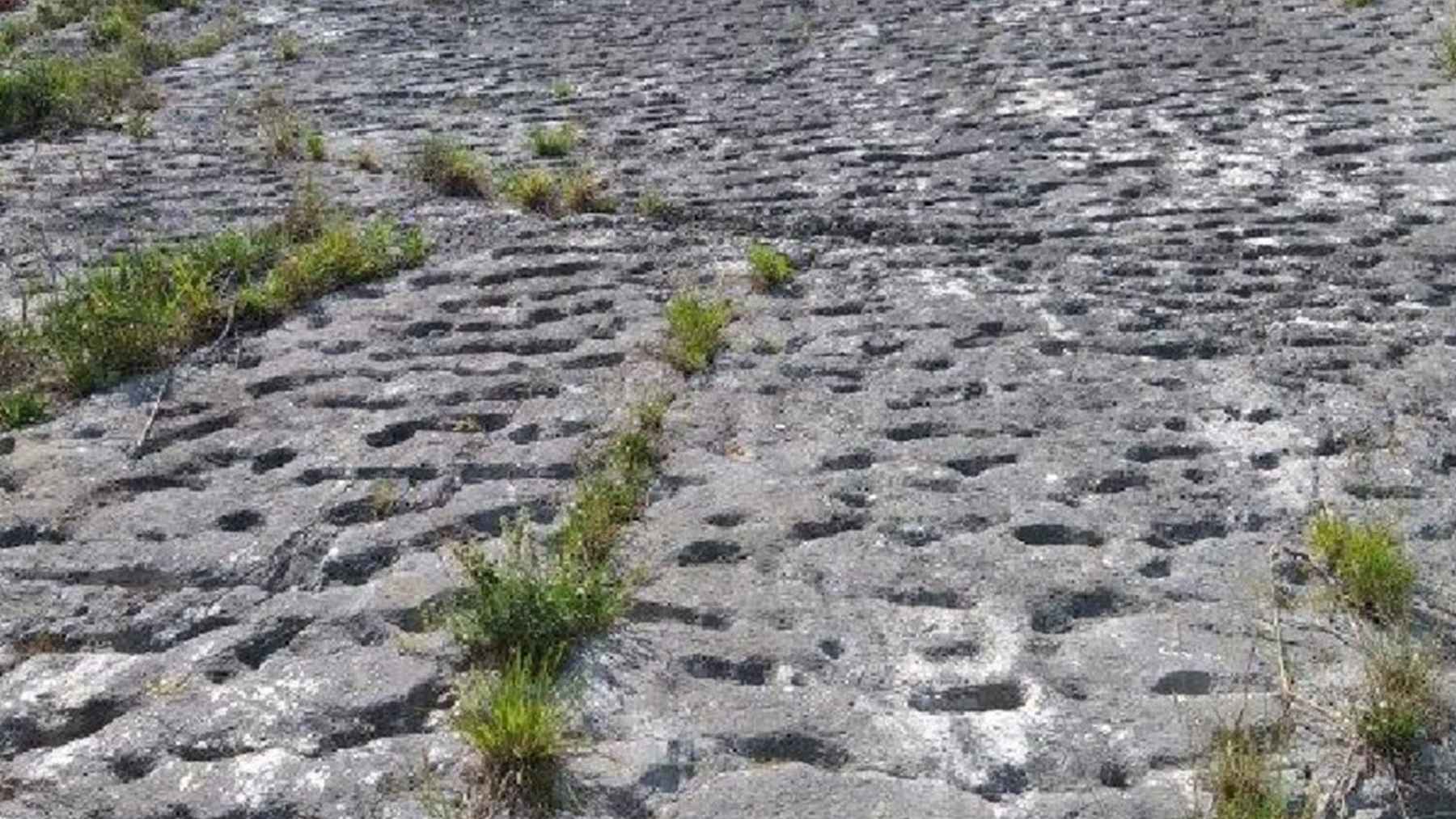
Rock climbers scaling a limestone cliff on Monte Conero on Italy’s Adriatic coast noticed something odd in the rock. Instead of smooth stone, one wall was covered in shallow, parallel grooves that looked like paddle marks scratched into concrete.
Those marks have now been linked to a dramatic scene that unfolded nearly 80 million years ago. According to new research, they record a mass escape by ancient sea turtles as an earthquake shook the seafloor and sent a sheet of mud rushing downslope.
From weekend climb to scientific clue
The story began in 2019, when a group of free climbers exploring Monte Conero spotted the grooved slab high above the shoreline and realized it resembled a fossil trackway. They had seen news about another set of impressions from the same park that had been tied to a Cretaceous marine reptile.
Unsure what they were looking at, the climbers turned to their friend Paolo Sandroni, a fellow climber who also works as a geologist. Could these strange grooves really be the work of ancient animals rather than simple erosion?
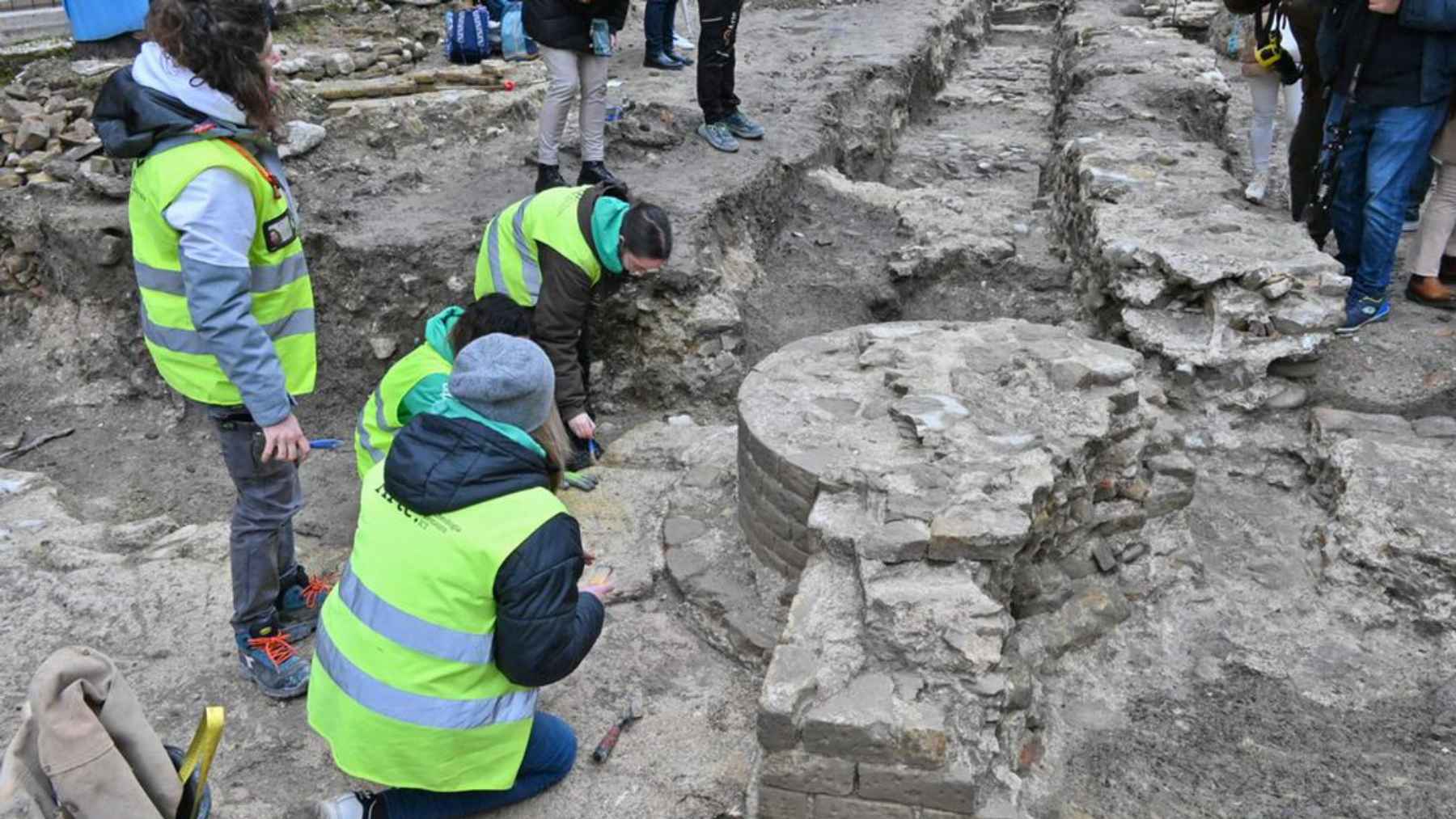
Sandroni contacted Alessandro Montanari, director of the Coldigioco Geological Observatory, and together they organized a survey of the cliff. Using drones, ropes, and measuring tapes, the team mapped the surface and counted more than a thousand paddle shaped marks spread over roughly two hundred square meters of rock.
A deep seafloor frozen by an earthquake
Today the track bearing slab stands more than one hundred meters above the Adriatic in Cònero Regional Park. In the Late Cretaceous it formed part of a deep seafloor covered with fine mud, far below the reach of waves and storms.
Thin slices of rock taken from just above the tracks reveal microfossils of animals that lived on the seabed, pointing to water hundreds of meters deep. Together with tiny magnetic signals locked in the limestone, those clues show the layer formed in the early Campanian stage of the Late Cretaceous, about 79 million years ago.
Under normal conditions, marks on such a muddy bottom would disappear quickly. Montanari notes that worms, clams, and other bottom dwellers “basically garden the seafloor,” constantly churning the sediment and wiping away footprints before they can harden.
In this case, the researchers argue, an earthquake shook loose sediment upslope and triggered a dense underwater flow that swept across the area within minutes of the animals moving. That mudflow acted like natural plaster, smothering the surface and preserving the tracks as the seafloor slowly turned into rock.
Who left the tracks?
Who actually made the tracks is still under debate. The team ruled out fish, which do not push along the bottom with their fins, and focused instead on large marine reptiles that swam in the basin during the Late Cretaceous.
Their leading candidates are sea turtles from an extinct family called Protostegidae, although plesiosaurs and mosasaurs remain possible.
The grooves show pairs of forelimb impressions entering the sediment together, as if the animals were punting along the seafloor instead of gliding freely above it, a pattern the authors say fits better with a group of panicked turtles than with mostly solitary plesiosaurs or mosasaurs.
Some specialists remain cautious and point out that more work is needed to match the trackways to a particular species. Even so, there is broad agreement that the geology clearly records a powerful submarine landslide linked to an earthquake and that the footprints capture how a group of marine vertebrates reacted in the moments after the seafloor began to tremble.
Why this ancient stampede matters
Because the mudflow buried the tracks almost instantly, it locked in a record of animal behavior in the middle of a crisis. It is the fossil equivalent of a freeze frame right after the ground starts to shake and the crowd moves for the exit.
The Monte Conero trackways give scientists a way to link ancient earthquakes, submarine landslides, and the reactions of marine vertebrates rather than treating those processes separately.
They also build on a 2019 Cretaceous Research study from the same area that documented another deep-sea reptile trackway, hinting that this coastline may still hide more snapshots of ancient underwater drama in its cliffs.