It is so easy to forget that geological processes of Earth are ongoing, always working at the same time, and surprising us. Recent scientific discoveries are revealing two extraordinary phenomena that could change the way we understand Earth’s hydrology: the slow emergence of a new ocean in East Africa and the existence of a deep, concealed reservoir of water in the Earth’s mantle. These discoveries reveal not just the planet’s past but also suggest how the surface of the planet may continue to change in the future.
The birth of a new ocean is slowly emerging in the African continent
Under Ethiopia’s desert, a radical transformation is taking place. In 2005, a gigantic 35-mile-long crack opened like a gash in the Ethiopian desert. Thus began the East African Rift, a geological process in which the continent is slowly being torn in two.
This opening, a rift that runs through Ethiopia, Kenya and Tanzania, is being created by the very slow movement of one tectonic plate, the Somali plate, away from another, the larger Nubian plate. Scientists believe that in about 5 to 10 million years the split will be complete, leading to a new ocean.
The process is remarkably like the ancient rift that split South America apart from Africa, eventually giving rise to the Atlantic Ocean. As the rift increases, the Red Sea and the Gulf of Aden will inundate the growing valley, forming a body of water that will separate Eastern Africa from the rest of the continent.
Why does that matter? This phenomenon is significant because it shows that tectonic plates are still redefining our world. The event also offers geologists a rarely seen opening study of ocean birth in real-time, an event never detected before.
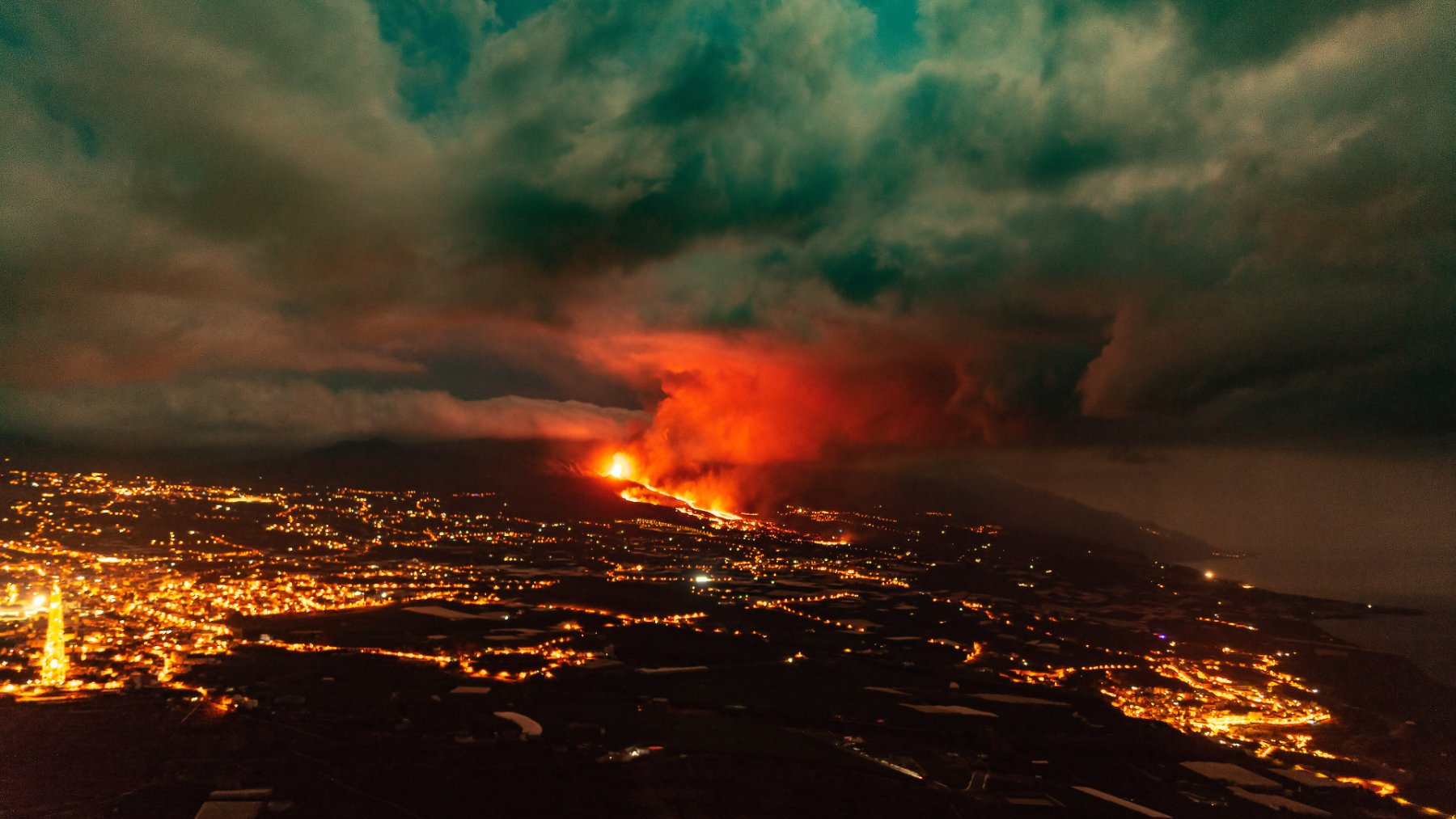
The process might take millions of years, but its effects are already being felt. The region has not been shy about its quakes, laying out everything from earthquakes to volcanic eruptions as the Earth’s crust stretches and generalizes.
These changes might create challenges for residents of the rift zone, which may lead to community relocation as the land beneath them shifts. The new ocean (like this new ocean which is being born and is close to America) will change Africa’s geography and will also affect climatic conditions and marine biodiversity millions of years in the future.
This new ocean could rewrite Earth’s water cycle
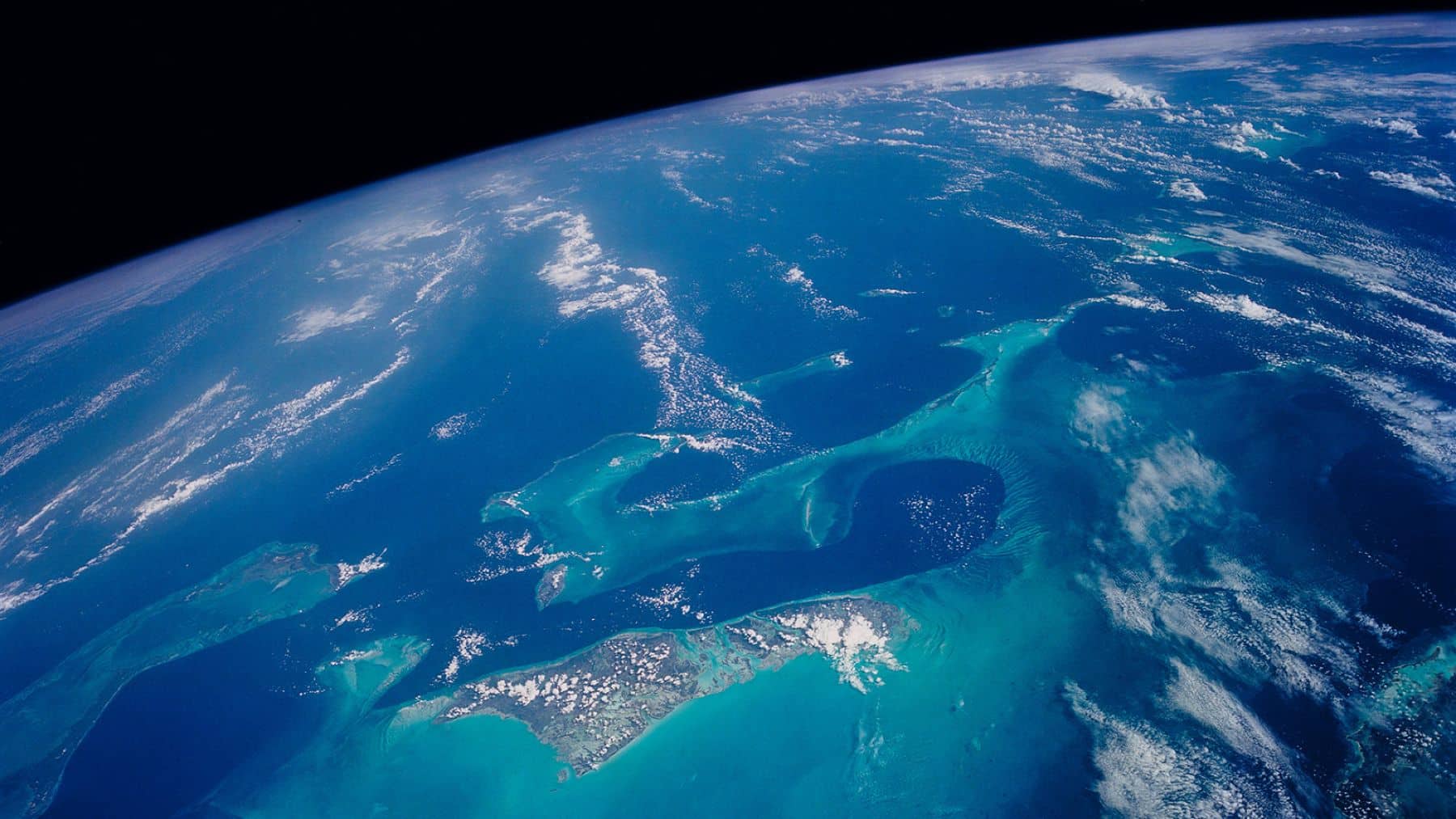
Now, even more astonishing data has come from deep inside Earth’s mantle, while a new ocean is forming above. There is however a huge reservoir of water 700 kilometers below the Earth’s surface. This subsurface sea is contained in a mineral called ringwoodite, which can hold water within its crystal structure. This suggests there is more water under the surface of the Earth than in all the world’s oceans combined.
If proven so, this subterranean reservoir could revolutionize our understanding of the planet’s water cycle. For decades, scientists have argued over where Earth’s surface water came from, was it brought by asteroids and comets, or did it bubble up from deep inside the planet? The presence of such a huge volume of water deep within Earth supports the hypothesis that much of Earth’s water may have come from its interior. This discovery carries profound implications.
That overturns what we know about how water moves back and forth between the surface and deep Earth, potentially even implicating underground, deep-sourced water stores in replenishing what we see at the surface for billions of years. It also prompts questions about how water influences the movement of tectonic plates as well as the creation of earthquakes and volcanoes.
Two revolutionary discoveries transforming the future of Earth
These two discoveries are studied as two of the major insights that are shaping change on Earth. The slow formation of a new ocean in East Africa will cause major geographic and climatic changes, and the discovery of a deep-Earth water reservoir questions traditional theories about where, and how much, of the planet’s water resides.
In the case of the East African Rift, scientists will have a prime opportunity to watch seismic activity, and the land itself, to learn more about how the continents come apart. While the rift continues to widen, this may present additional opportunities for marine ecosystems and influence regional climate in manners, most likely yet un-projected. Meanwhile, deep-Earth water reserves could lead to discoveries in geology and hydrology, which may help researchers gain a deeper understanding of natural disasters like earthquakes and volcanic eruptions.
As we delve deeper into the mysteries of our planet, these discoveries remind us that Earth is a dynamic system in constant flux. The forces shaping the world around us today will give our planet its shape millions of years from now. From every new find, we recognize more and more how intricate and amazing our planet truly is (like this ocean which has a 1.2 million-mile hole).