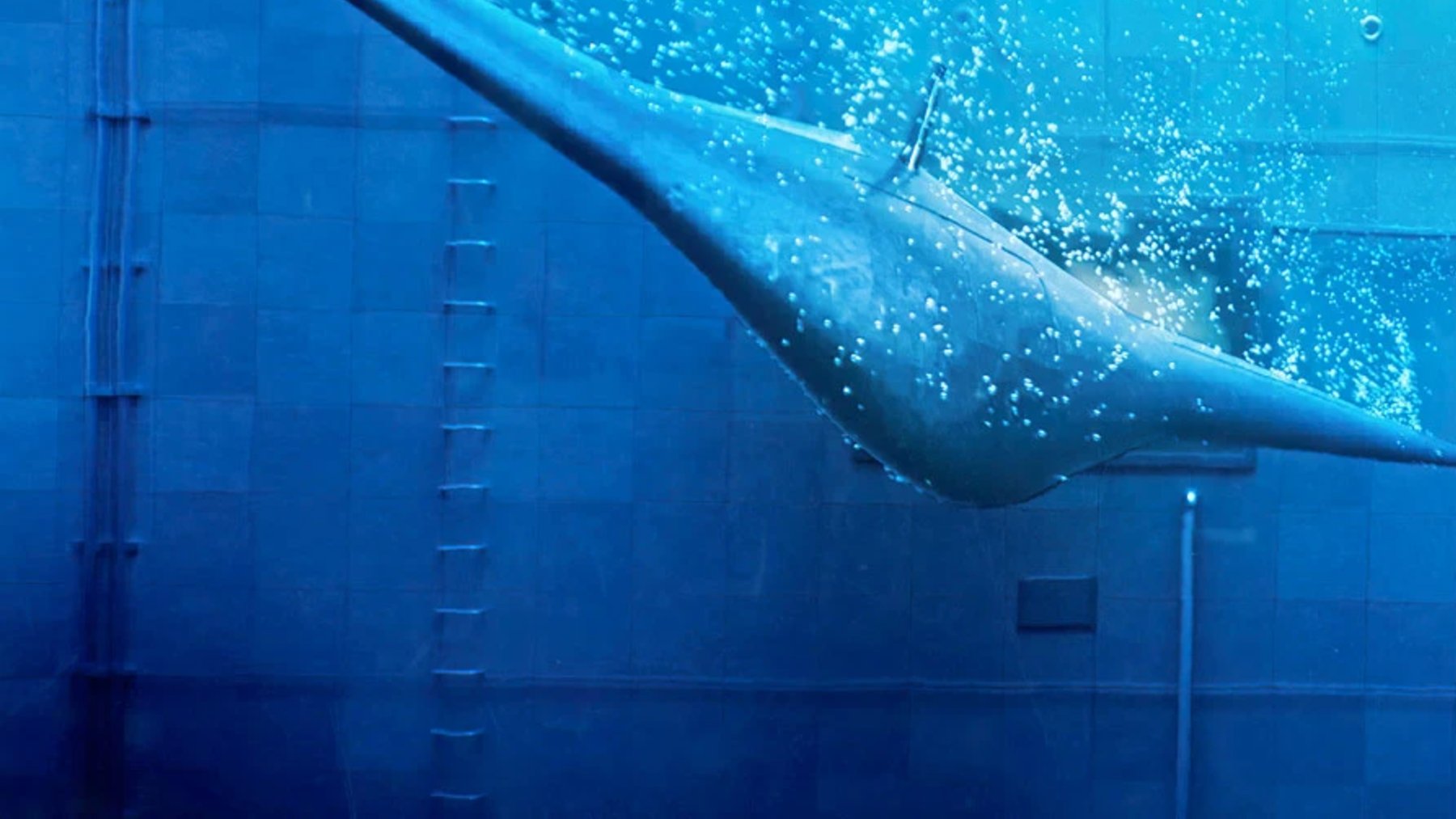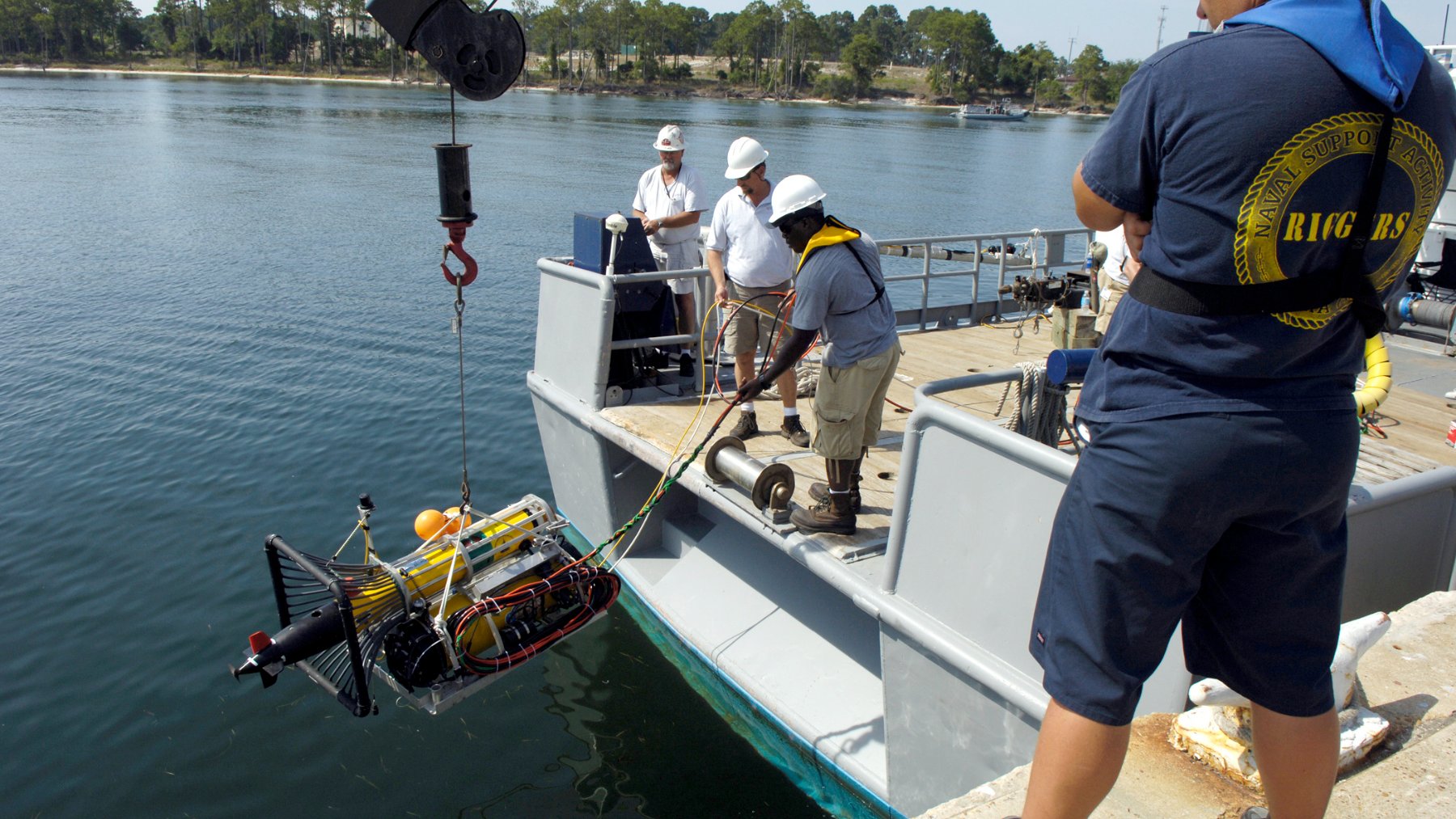
Anduril’s Dive-LD takes an unexpected approach to deep-sea travel. Instead of keeping seawater outside its entire body, the autonomous underwater vehicle allows it through the outer structure while protecting sensitive equipment separately. Its manufacturer lists a maximum operating depth of 6,000 meters (about 19,700 feet) and endurance of up to 10 days.
The unusual design is paired with a 3D-printed exterior and a Rhode Island factory planned around production of hundreds of vehicles annually. But beyond the military headlines lies another application worth watching, inspecting underwater infrastructure for offshore wind projects.
Why letting seawater in makes sense
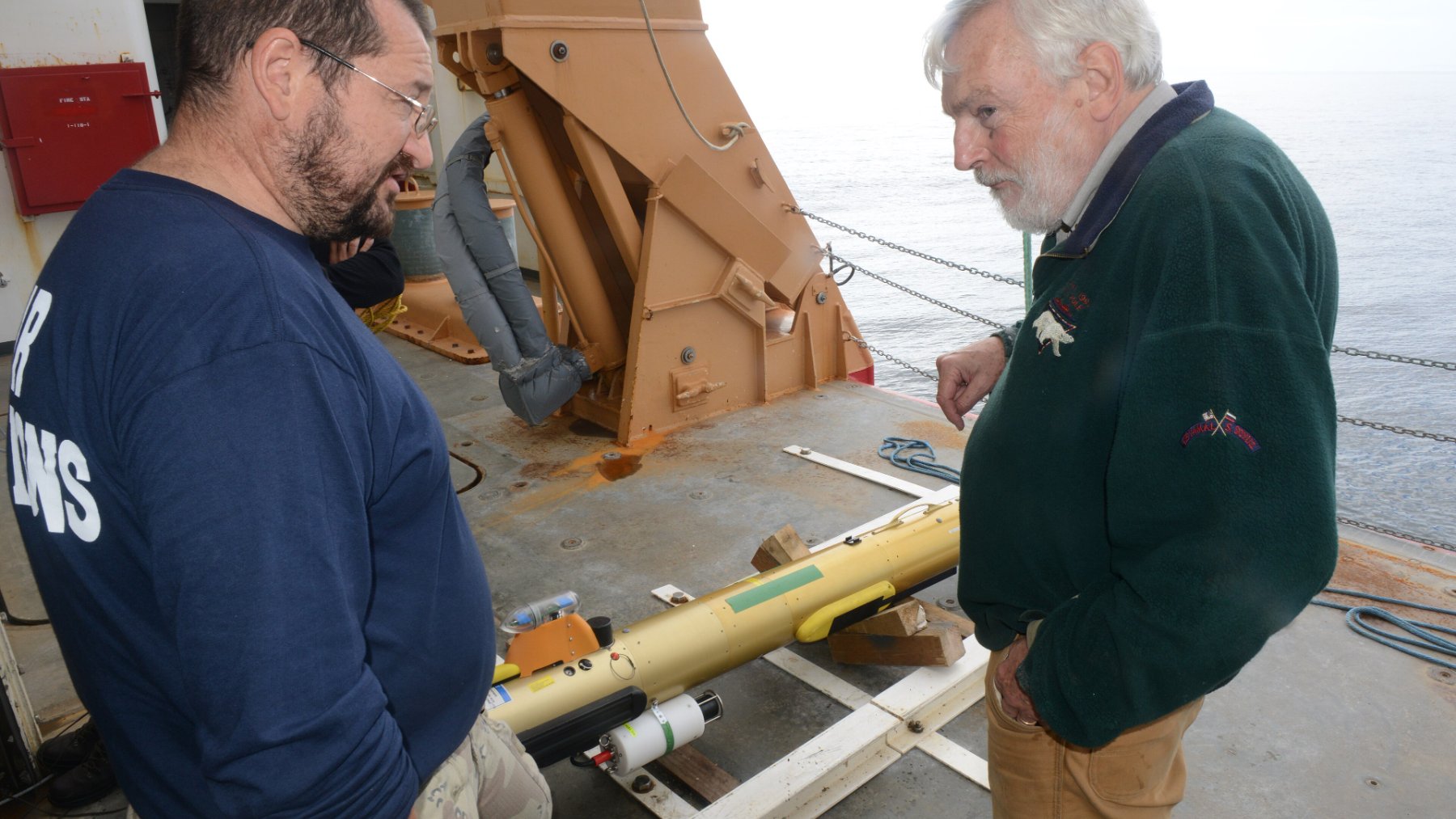
Dive-LD measures about 19 feet long and four feet across, with a dry weight of roughly 6,000 pounds. Picture a three-ton vehicle without a cabin, passengers, or anyone sitting behind the controls.
How does letting water in help a submarine survive? Its outer body is “free-flooding,” meaning seawater reaches both sides of the exterior panels and equalizes pressure across them. Sensitive electronics remain inside separate pressure-resistant enclosures, so allowing water through the structure does not mean soaking the computers.
The trick is not to eliminate pressure. It is to let the outer shell provide the vehicle’s shape without maintaining a large, dry interior against deep-ocean pressure.
A printed shell is not a two-day submarine
In a 2021 manufacturing report, supplier Additive Engineering Solutions described printing the complete set of Dive-LD hull components in less than two days. These components are the exterior fairings, not a complete submarine ready to begin a mission.
The same report said two operators could remove the full set of fairings in under 15 minutes. That gives technicians quick access to the structure underneath, while the printing method allows the exterior to be changed without creating conventional molds.
There is still a difference between printing panels and delivering an operational vehicle. Anduril’s manufacturing strategy also emphasizes commercially available components and established supply chains, making the printer one part of a broader production system rather than the sole reason it can scale.
The connection to offshore wind
A separate project documented by the National Offshore Wind Research and Development Consortium gives the civilian case some substance. It involved Anduril and software partner Metron developing Dive-LD capabilities for inspecting the underwater cable route between Point Judith and Block Island.
The project’s stated objectives included wide-area sonar surveys, seabed depth measurements, and closer inspection of detected anomalies. It also called for sharing the resulting data with the offshore wind community, connecting underwater autonomy to the less visible maintenance work behind offshore energy.
“Dive-LD allows us to work closer to the seafloor,” Dive Technologies co-founder Sam Russo explained in an April 2024 interview published by NobleReach Foundation. In that interview, he described work with offshore wind developers and owners of pipelines and telecommunications cables, showing that the commercial ambition extends beyond a possible future use.
What the 200-vehicle figure really means
Anduril’s 150,000-square-foot facility at Quonset Point was planned for manufacturing at a scale of around 200 large-diameter vehicles annually. That figure describes production capacity, not an announcement that customers ordered 200 Dive-LDs or that 200 finished vehicles have already been delivered.
The ramp-up timetable has also shifted since the early plans. On August 30, 2026, Defense Daily reported that company officials expected the Dive-LD line to reach maximum capacity by the end of 2027, rather than the earlier end-of-2026 target.
A September 1 summary of an interview with Anduril executive James Buescher described production in the hundreds per year, but supplied no delivery tally. That description does not establish how many completed vehicles customers have received, leaving an important distinction between reported production rates and documented deliveries.
Deep-sea access still needs environmental evidence
The depth and endurance numbers need similar care. They are advertised operating capabilities, not evidence that every deployment spends 10 days at 6,000 meters, and they do not establish a smaller environmental footprint.
An environmental assessment would need to consider manufacturing materials, energy use, support-vessel requirements, service life, and recovery of the equipment. For offshore wind operators, the more immediate test is whether inspections provide dependable maintenance data, not simply how many robots leave a factory.
Dive-LD’s modular construction and civilian inspection applications make it worth following, but production claims and environmental benefits should remain separate.
The latest company production update discussed here was published on Defense Daily.