Scientists have identified nine previously undescribed sponge species in the Gulf of Alaska and the Aleutian Islands, bringing the region’s known total to 232. One proved so distinctive that researchers created a new genus for it, adding another branch to the sponge family tree.
NOAA Fisheries highlighted the discoveries on September 10, 2026, following two studies published in Zootaxa. Beyond the unusual names and microscopic details lies a practical question for Alaska’s fisheries. How do we understand and protect seafloor habitats when some of the animals building them are still unknown to science?
A new genus and a surprising northern discovery
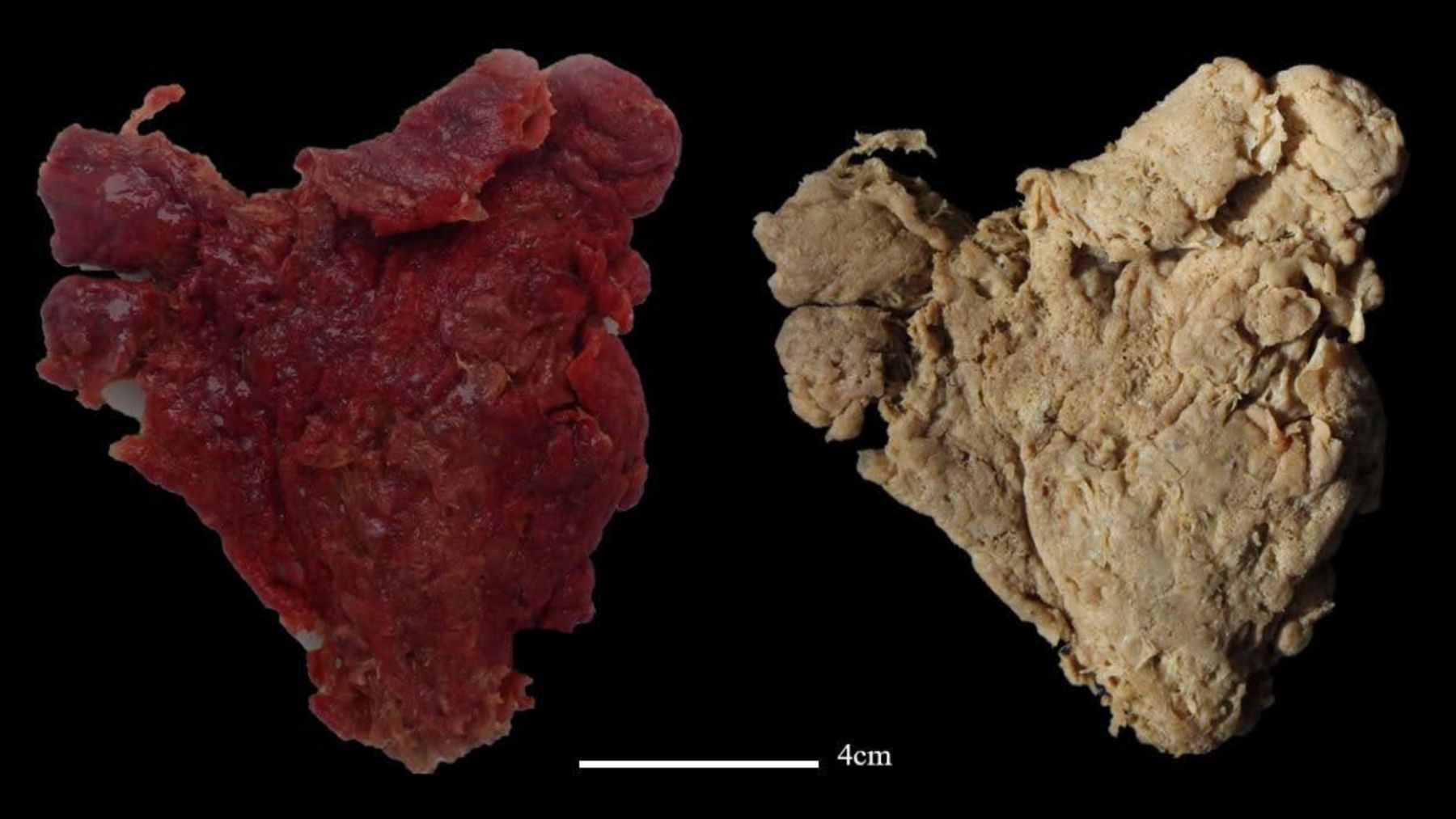
The standout is Polycapus rubrum, a red sponge from the Gulf of Alaska. Its skeleton contains a combination of tiny structures found in no other known genus within its family, Hymedesmiidae. Researchers therefore established Polycapus, a new genus, which is the classification level above species.
Another newcomer, Julavis borealis, grows as a thin mat over other organisms in the Aleutian Islands. According to NOAA, it is the first discovery outside the tropics for a group previously known only from warm environments. The record expands the genus’s known geographic range, although the finding alone does not establish when or how it reached Alaska.
The first study, published July 29, also described Cladocroce cylindrica and Stelletta plana. The second paper, published August 28, added Aaptos mucronatus, Homaxinella fruticosa, Megaciella aurantia, Forcepia atka, and Desmacella alaskensis. Together, the nine species belong to six orders of demosponges.
Old samples reveal new identities
These discoveries grew out of specimens retained during NOAA’s bottom trawl surveys, which monitor fish and shellfish populations. The scientific papers include material collected as early as 1997, showing how samples gathered decades ago can still yield discoveries. Finding an unfamiliar animal and formally identifying a new species can happen years apart.
Helmut Lehnert, Sean Rooney, and Meredith Everett authored both studies. To distinguish sponges, researchers examine the architecture of their skeletons and the shapes of microscopic components called spicules. Think of these as small building pieces whose arrangement helps reveal the animal’s identity.
The team examined thin tissue sections and isolated spicules for closer inspection, including with scanning electron microscopy. For each sponge sample, researchers measured 20 spicules of each type and recorded their minimum, average, and maximum sizes. Those careful comparisons help separate a new species from an unusual specimen of a familiar one.
Underwater homes for fish and crabs
“Sponges are ecologically important,” said Rooney, a fisheries biologist at NOAA’s Alaska Fisheries Science Center. These animals pump and filter seawater while creating shelter across the ocean floor. Their folds, branches, and internal spaces offer places where smaller creatures can hide.
NOAA describes northern rockfish feeding in open water during the day and returning to sponge fields for nighttime cover. Golden king crabs also shelter among sponges, while young red king crabs in Bristol Bay use sponge habitat during vulnerable stages of growth. For an animal avoiding predators, a sheltered corner can matter.
Some sculpins place their eggs inside large sponges, where flowing water supplies oxygen. Upright sponges can also slow currents and create calmer spaces for young fish. These examples explain why identifying and mapping sponge communities matters to the fisheries that coastal communities depend on.
Genetic clues could make monitoring gentler
Alongside microscopic identification, the researchers developed DNA barcodes for Alaskan sponges and deposited them in GenBank, an open genetic database. These short sequences provide references that scientists can compare with unidentified biological material. A useful comparison is a library catalog that helps put a name to an otherwise unrecognizable sample.
That reference collection supports environmental DNA research, which looks for genetic material in seawater. Matching a sequence to a known species can help researchers detect animals without collecting them directly from fragile seafloor habitats. But a reliable reference must exist before that match can be made.
Detecting a species also differs from counting its population. NOAA’s separate roadmap for using environmental DNA identifies challenges such as understanding how DNA moves through water and linking its concentration to abundance. The growing genetic catalog provides a foundation for that work, rather than an instant census of the ocean.
Knowing what needs protection
Identifying sponges and mapping their locations gives fisheries managers information about habitats vulnerable to physical disturbance. It also helps researchers build ecosystem models that account for the animals providing shelter, alongside the fish being counted. A species name becomes useful information about how the wider system works.
Much remains unresolved, including how long many Alaskan sponges live and how often they reproduce. Deep, rocky areas can be difficult to sample, leaving gaps in the picture. Rooney says hundreds of additional species may remain undiscovered in Alaska’s waters.
Future surveys will supply more specimens for identification and help refine maps of where these animals live. The official announcement was published on NOAA Fisheries.
Photo: NOAA Fisheries