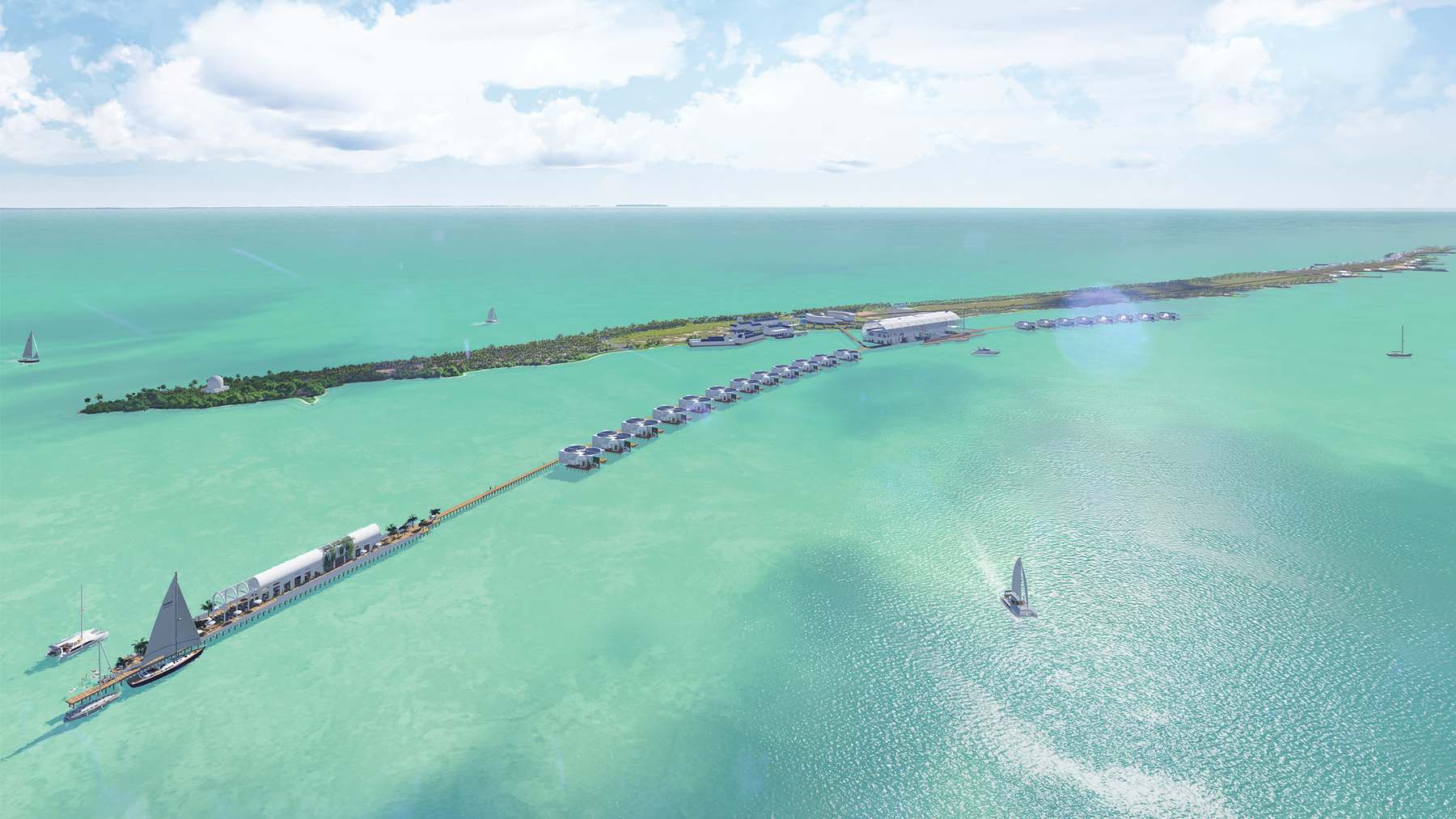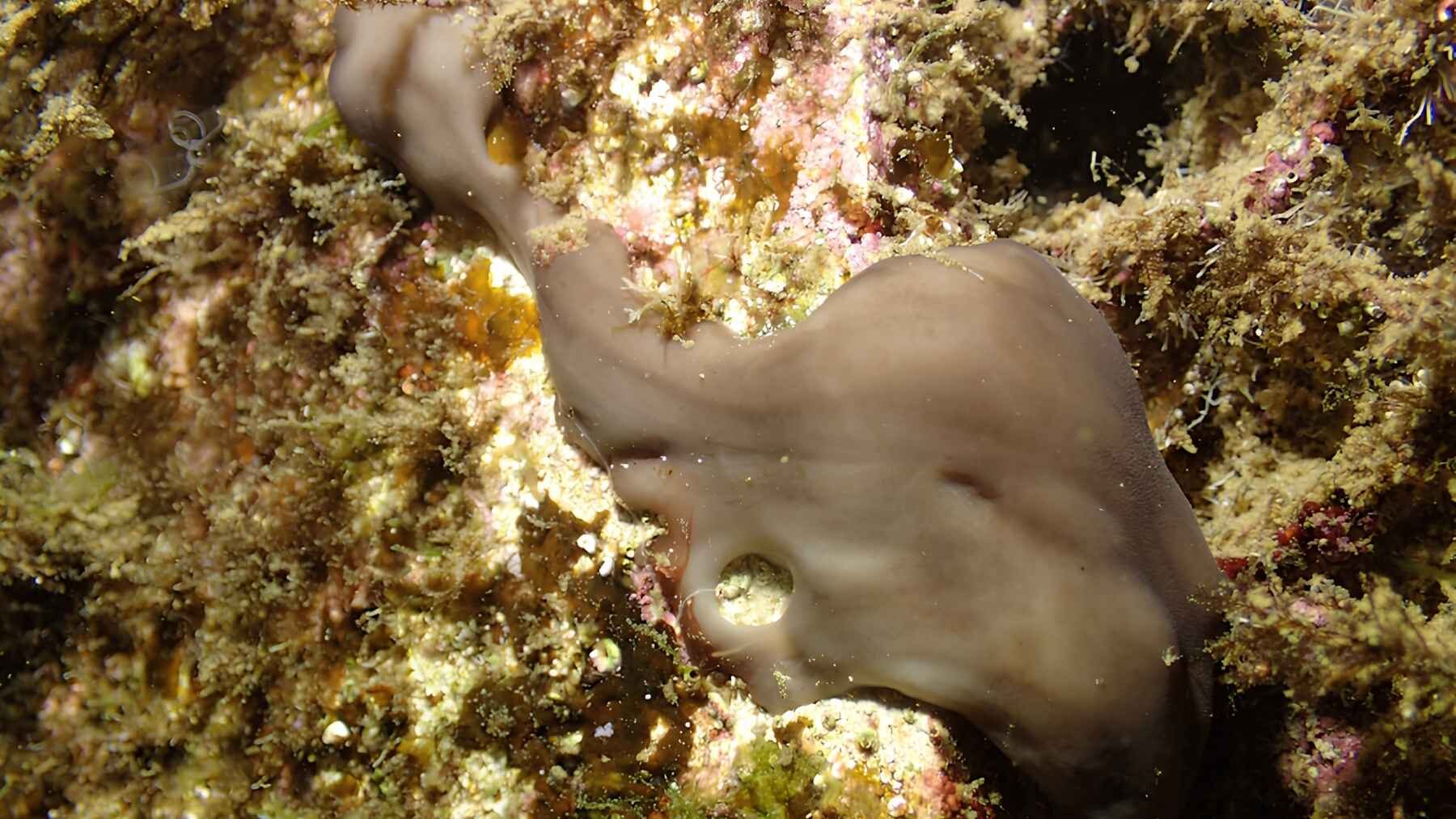
Some researchers in Spain placed sea sponges inside the contaminated waters of Marina Palamós for 455 days. What started as an extreme experiment ended up revealing a truly “marine superhero.”
One of the three transplanted species died in less than 165 days, but the chicken kidney sponge (the Chondrosia reniformis) not only survived in a 90 percent, but also it moved around and reproduced inside the marina, turning into the best candidate to restore ports. That does not mean that only one single species cannot recover a whole degraded port by itself.
A harsh test for harbor life
The truth is that ports are very difficult environments for marine wildlife.Studies say that water circulation is super restricted, which allows pollutants to accumulate. And to make matters worse, artificial coastlines, the constant boat traffic and invasive species make it almost impossible to survive.
Even so, researchers from the Centre for Advanced Studies of Blanes, who work together with Ocean Ecostructures, decided to test the sponges, because these incredible animals work like natural purifiers: they filter seawater, recycle nutrients and provide habitats for many other organisms.
Five species faced the trial
The team selected five different species for the study: Chondrosia reniformis, Corticium candelabrum, Crambe crambe, Scalarispongia scalaris and Ircinia oros.
When the test started, all 15 C. candelabrum specimens died in the laboratory before arriving at the port. Later, the scientists transplanted 24 C. reniformis, 10 C. crambe, five S. scalaris and three I. oros. However, once these rest of the species were placed in the port, the majority died. C. crambe disappeared by day 140, and by day 165, the rest of the species were gone from the area.
The chicken kidney sponge multiplied
What about the C. reniformis (that is popularly known as the chicken kidney sponge)? She demonstrated that it is practically indestructible. Of the 24 placed sponges, 22 survived through day 455.
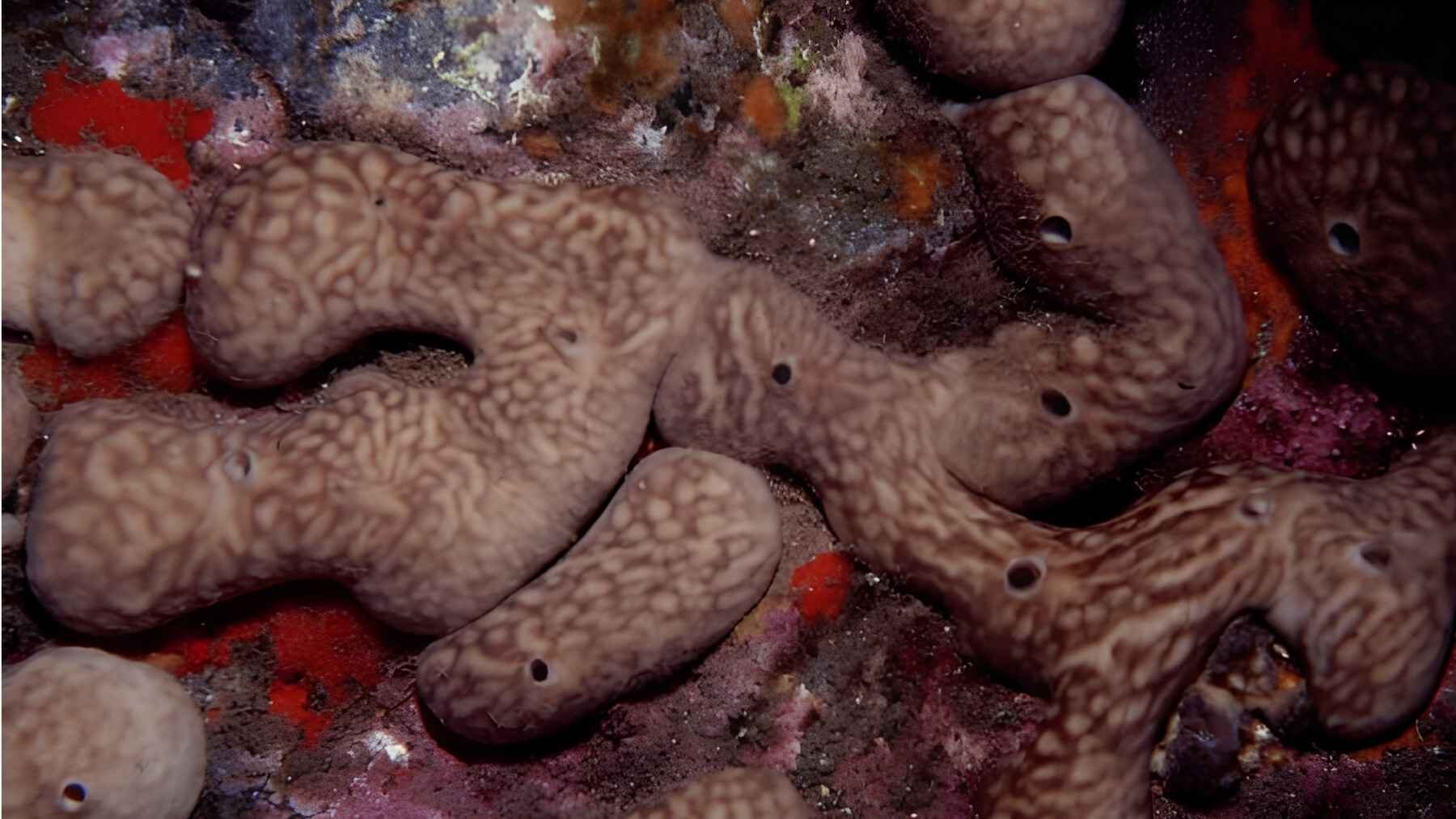
Seven of them also divided, creating 17 clones and at the end of the experiment the population grew to 40 individuals instead of shrinking. Although they got smaller to adapt to the tough conditions,almost 92 percent stayed firmly attached to their plates.
It can move toward better conditions
The chicken kidney sponge also showed a surprising ability: it can move. One individual could almost 13 centimeters to look for a better place, while others moved between 6 and 8 centimeters
As researcher Manuel Maldonado said, the ability to move gives them a huge ecological and gigantic advantage to escape from toxic areas.
Tiny partners may help
Scientists suggest that C. reniformis tissue hosts dense communities of symbiotic microorganisms. This “high microbial abundance” could help them to tolerate highly contaminated water. Although the experiment did not prove that the microbiome caused its survival advantage.
Promising does not mean proven
The result can be really good, but researchers made it clear that one single sponge is not going to clean an entire port by magic. The sponges were placed on special ceramic plates designed by Ocean Structures, but the study did not measure if the quality of water got better or biodiversity in general.
Because of this, researchers see the sponge as one possible part of a larger restoration strategy and not as a complete solution.
That does not mean that still, Chondrosia reniformis demonstrated what no other species achieved: the ability to move and reproduce in a highly contaminated port.
This study was published in Frontiers in Marine Science.