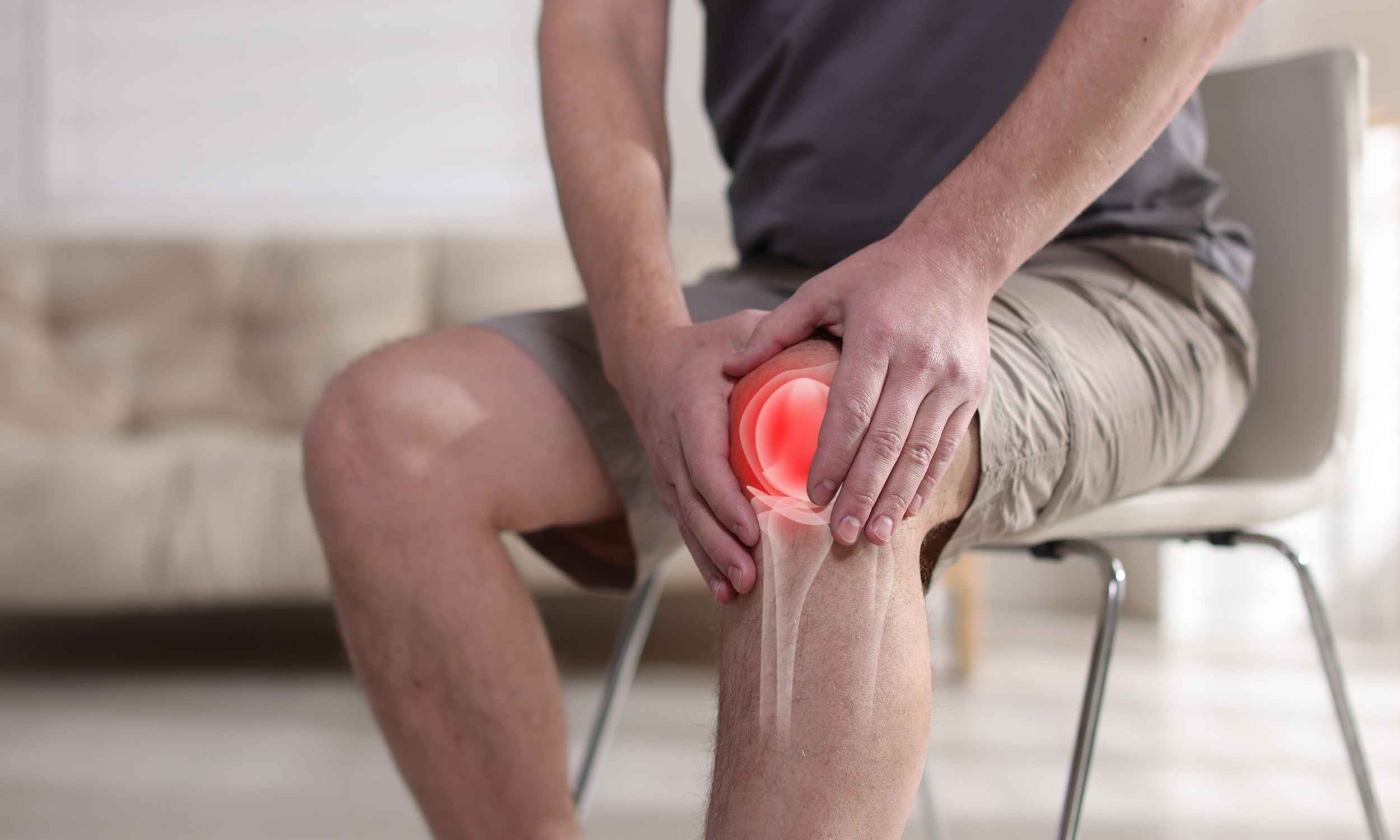
Calcium usually gets the spotlight when we talk about strong bones. Yet scientists now highlight magnesium as a quiet but crucial partner in keeping the skeleton dense and in lowering the long-term risk of osteoporosis.
Research from the United States National Institutes of Health finds that people who consume more magnesium tend to have higher bone mineral density which is a key factor in preventing fractures later in life.
Why magnesium matters for bone mineral density
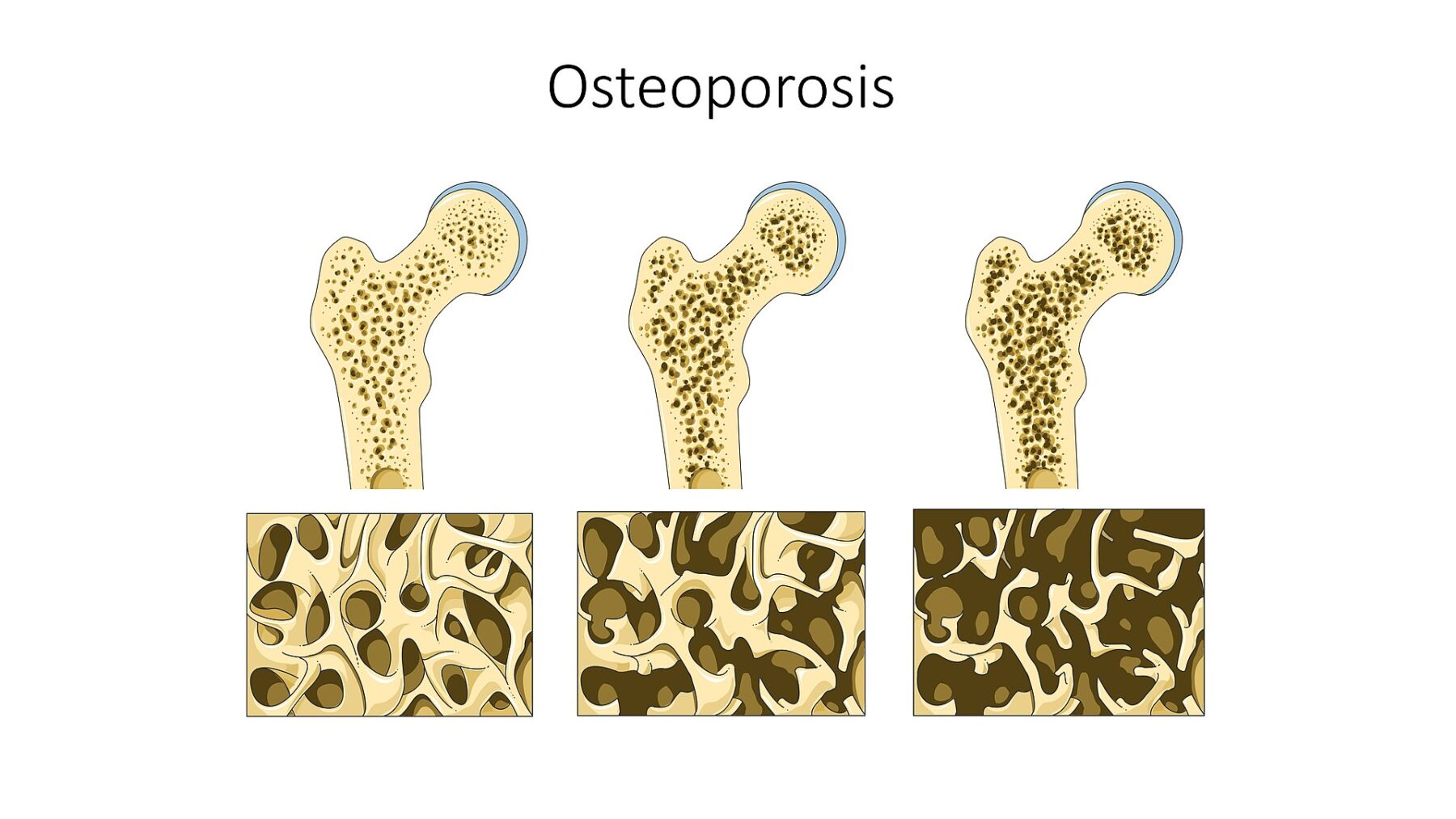
About sixty percent of the magnesium in your body sits in your bones and it helps bone-building cells and hormone signals keep tissue renewing. Observational studies link low magnesium intake with reduced bone mineral density and higher odds of osteoporosis and early trials hint that supplements may offer modest benefits in some older adults.
The catch is that many people simply are not getting enough. So how do you know if you are getting enough without obsessing over numbers on a label.
Analyses suggest that more than half of American adults fall short of recommended magnesium intakes, especially older adults, teenagers and people with type 2 diabetes or digestive disorders, and mild deficiency often brings vague symptoms such as fatigue or muscle cramps that are easy to ignore.
Best food sources of magnesium for stronger bones
Stronger bones very often start in the kitchen. Legumes, nuts, seeds, whole grains and leafy green vegetables are naturally rich in magnesium and choosing more plant-based meals usually comes with a lighter environmental footprint than ultra-processed options which gives an extra reason to build menus around beans, grains and greens.
When diet is not enough, clinicians may prescribe easily absorbed forms such as magnesium citrate or magnesium chloride for people with diagnosed deficiency. Too much supplemental magnesium can trigger diarrhea or stomach upset and may interfere with certain medicines so it should be taken only with medical guidance.
Osteoporosis risk and everyday prevention habits
Osteoporosis already affects more than ten million adults over fifty in the United States and many more live with low bone mass that raises fracture risk. Paying attention to magnesium along with calcium, vitamin D, regular movement and not smoking is one practical way to help bones keep carrying us through everyday tasks.
In short, magnesium is not a magic shield yet it is a vital piece of long-term bone health that many people quietly miss.
The official statement was published by the Office of Dietary Supplements of the National Institutes of Health.