What happens when a high-profile clean energy bet runs out of cash before the technology reaches full scale? In Australia, that question is now hanging over Vast Renewables, a solar thermal company whose administrators say the business is likely headed for an orderly wind-up, asset sales, and a transfer of its intellectual property to the Australian Renewable Energy Agency (ARENA).
DOCA proposal and creditor recovery outlook
KPMG’s supplementary report recommends that creditors back a deed of company arrangement (DOCA) rather than push the group straight into liquidation. Under that plan, the assets and creditor claims of Vast’s Australian group companies would be pooled, a deed fund would be created, and the company’s property and undertakings would be sold.
The key twist is that Vast’s intellectual property would be transferred to ARENA, or a nominee, “to maximise the chances of its commercialisation in Australia.”
For unsecured creditors, the numbers are rough. KPMG estimates they would recover between 3.2 cents and 4.2 cents on the dollar under the proposed DOCA. In a liquidation, the return would likely be even lower, at 1.6 to 2.9 cents. Priority employee entitlements, by contrast, are expected to be paid in full. That is why the administrators said the DOCA offers the better outcome for participating creditors.
Port Augusta solar thermal project and ARENA backing
In practical terms, that means a company once presented as part of the renewable transition could end up surviving only through its technology, not through its corporate structure. And that matters.
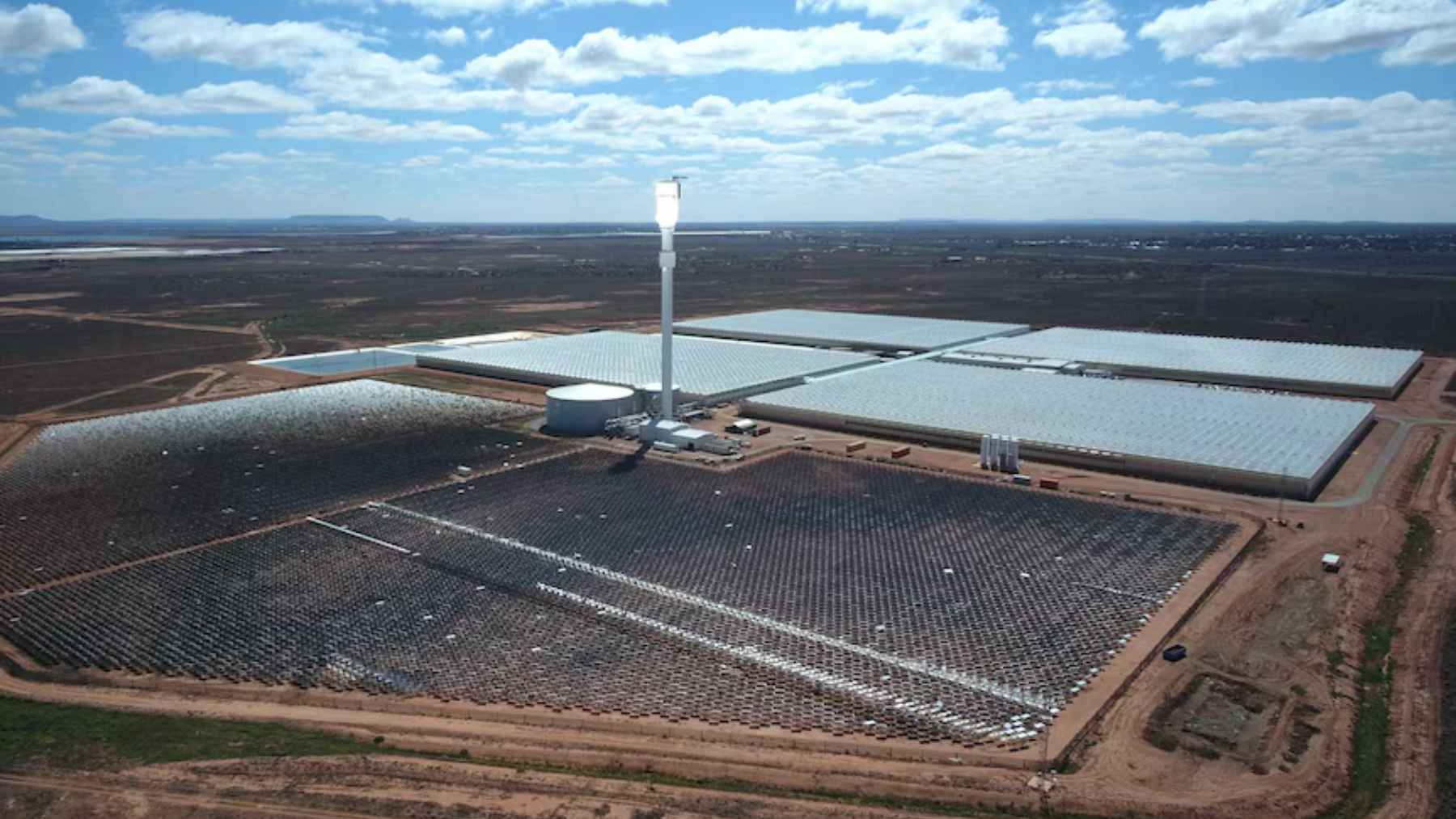
Vast’s flagship Port Augusta project in South Australia was backed by ARENA as a 30 MW / 288 MWh concentrated solar thermal plant designed to provide dispatchable renewable power when the sun is down and the grid still needs support.
ARENA said the project could create up to 450 construction jobs and up to 70 ongoing roles.
Clean energy innovation and commercial reality
That is the bigger lesson here. Clean energy innovation is not just about bold announcements or public grants. It also depends on whether first-of-a-kind projects can cross the hard stretch between prototype promise and commercial reality. For the most part, that is where costs rise, timelines slip, and investors start pulling back.
Consumers usually see the end result as one more delayed project on the energy map, even as power systems still need reliable low-carbon electricity that can help when demand spikes and the electric bill keeps climbing.
Creditors were scheduled to vote on the proposal on February 25, 2026.
The official statement was published on KPMG’s website.