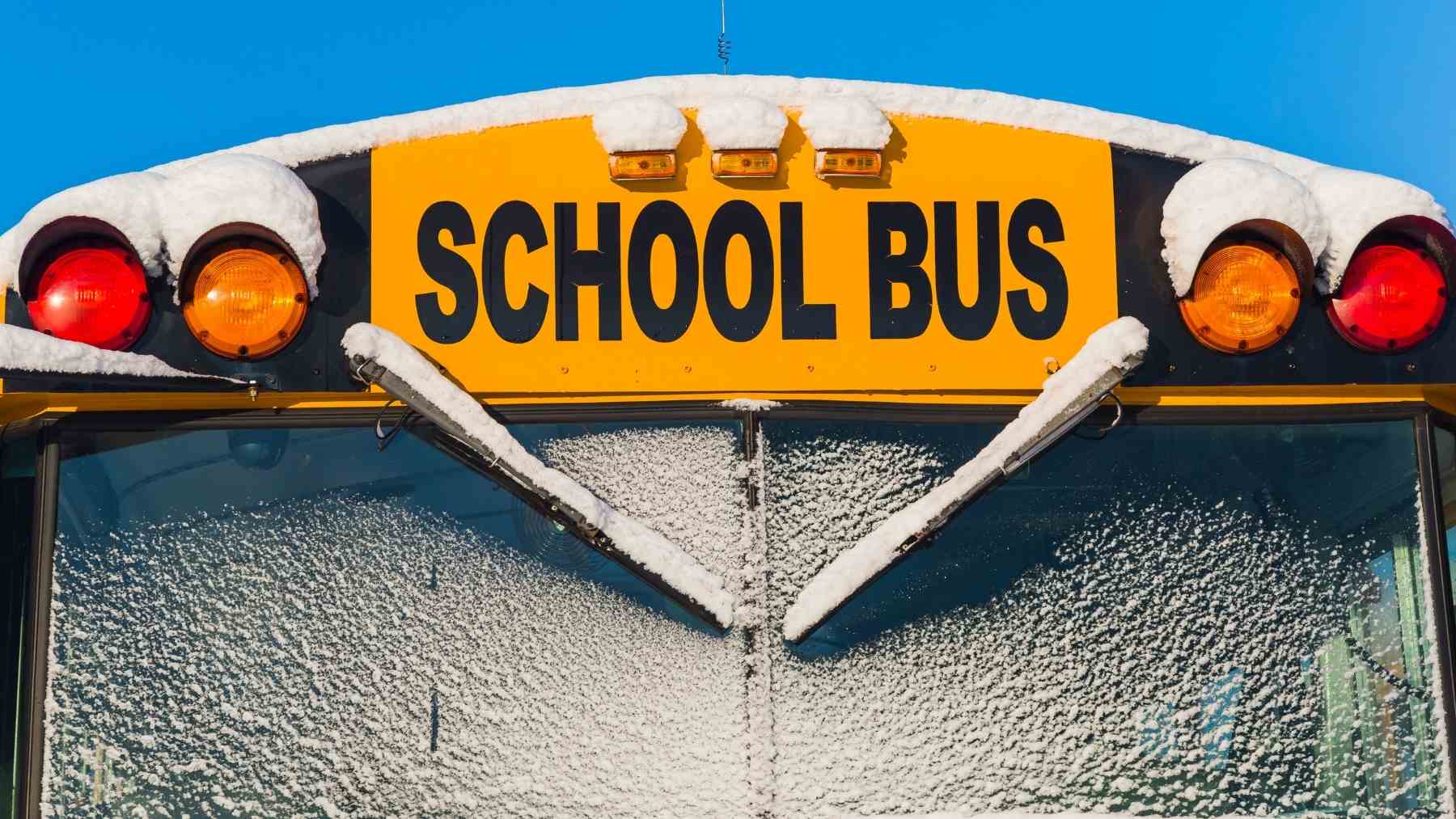
Freezing rain and an Arctic blast have turned the Texas Hill Country into an ice rink, keeping students at home on Tuesday as districts around San Antonio adjust schedules. Blanco, Comfort, Harper, Ingram and Kerrville districts are closed on January 27, while San Antonio ISD and Goliad ISD start two hours late.
Over the weekend, Arctic air pushed temperatures in the region into the teens, with wind chills in the single digits. The National Weather Service issued an Extreme Cold Warning through Tuesday morning and warned that ice up to about a quarter inch could refreeze overnight, making bridges and highways hazardous for school buses and commuters.
District leaders say the priority is to keep kids, staff and bus drivers off slick roads. Ingram ISD told families it was closing campuses “out of an abundance of caution” and asked them to watch for updates as conditions improve. Similar notices went out in Blanco, Comfort, Harper and Kerrville, turning Tuesday into a home day for parents juggling work, childcare and bills.
This storm is part of a wider cold outbreak across the United States. So what does bitter cold have to do with climate change? Scientists say no single event can be blamed on warming, yet a hotter atmosphere holds more moisture and can feed heavier precipitation when temperatures hover near freezing.
Texas has already warmed by roughly half to one degree Fahrenheit over the last century, and federal reports warn of stronger weather swings ahead. For schools, each icy morning doubles as a resilience drill while officials winterize the power grid and upgrade campus heating, yet cancelling buses remains the simplest way to avoid tragedy when bridges glaze over.