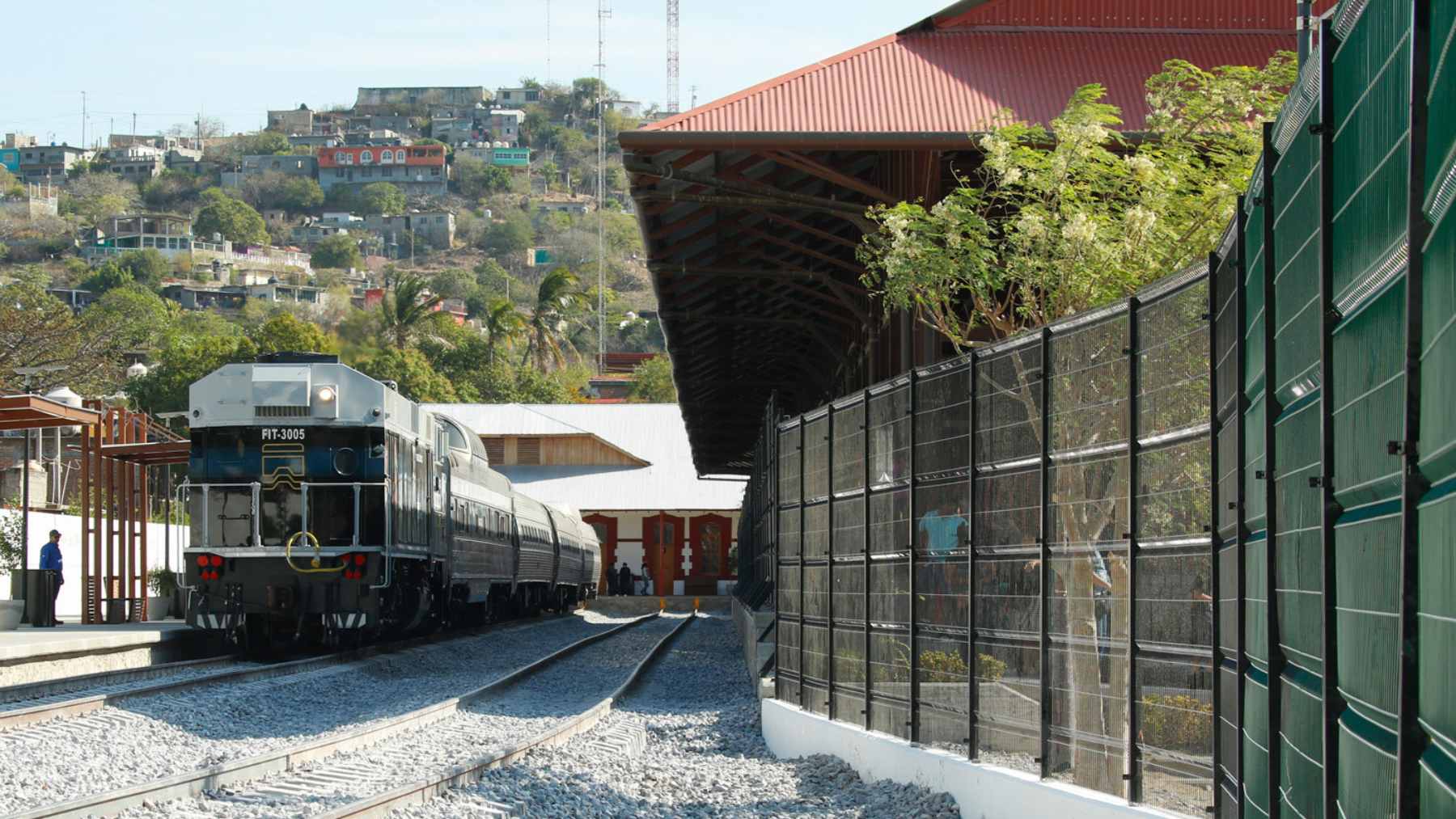
Mexico is racing to finish a new trade route across its narrow southern waist. The Interoceanic Corridor of the Isthmus of Tehuantepec links the Pacific port of Salina Cruz with Coatzacoalcos on the Gulf of Mexico along a 303 kilometer railway backed by upgraded ports and industrial parks.
On paper the idea is simple. Containers leave a ship on one coast, cross the country by train, then board another ship on the other side. With drought and heat already slowing the Panama Canal, a land bridge that sidesteps queues and extra fees looks tempting for shipping companies and for anyone tired of delayed deliveries.
For the ecosystems that already live along that rail line, the story is far less tidy. What does that look like on the ground?
A land bridge through a living mosaic
The corridor runs through 79 municipalities in Oaxaca and Veracruz, an area described by researchers and the Mexican government as one of the country’s most biodiverse regions. Forest, wetlands and cropland still host a wide range of birds, reptiles and mammals.
New rail tracks, highways, logistics platforms and a gas pipeline now concentrate heavy industry in that same strip of land, and every warehouse begins with clearing trees. The corridor is also meant to rebalance Mexico’s development by drawing investment into a historically poor south.
What Mexico’s own report says about the risks
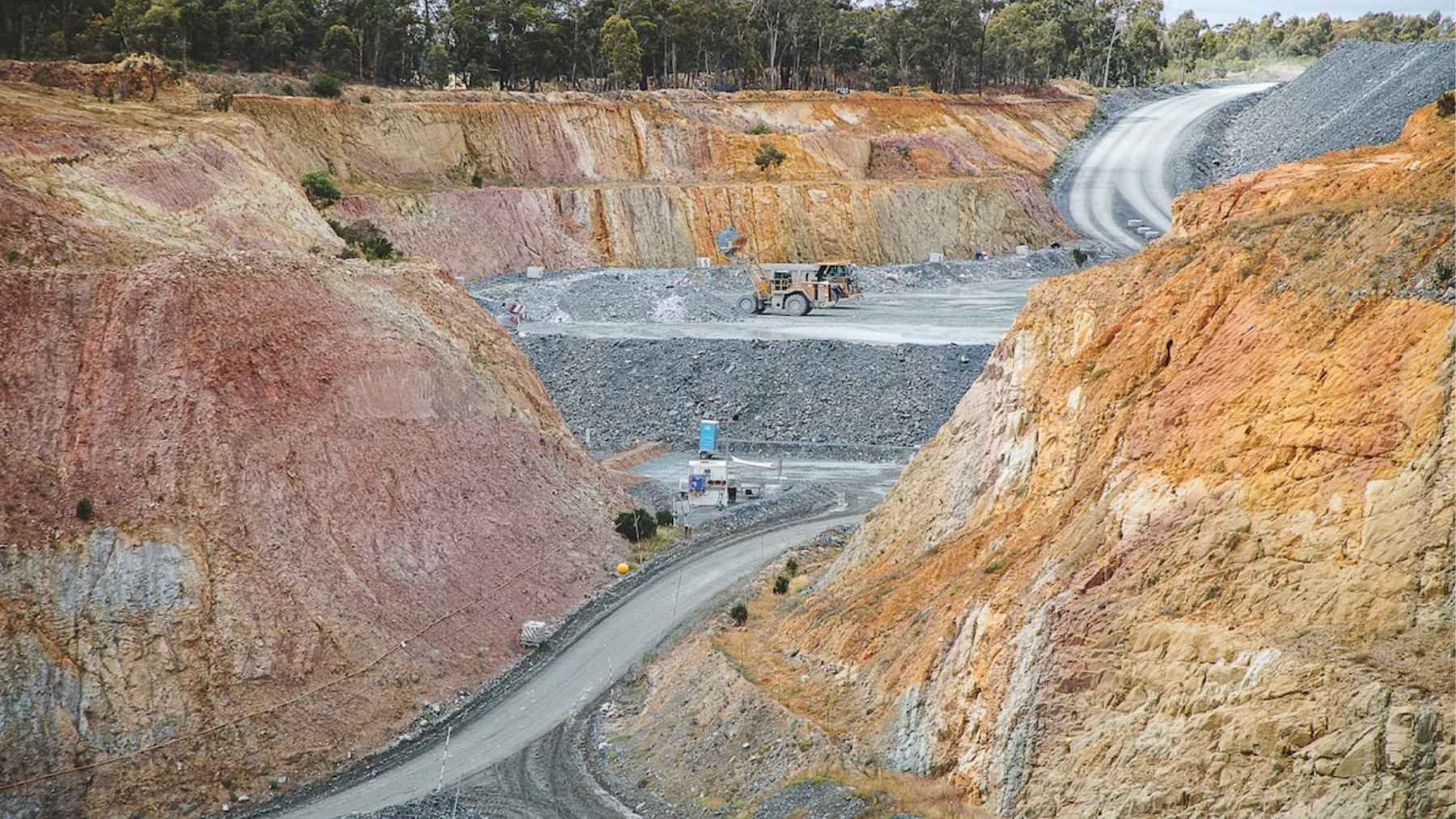
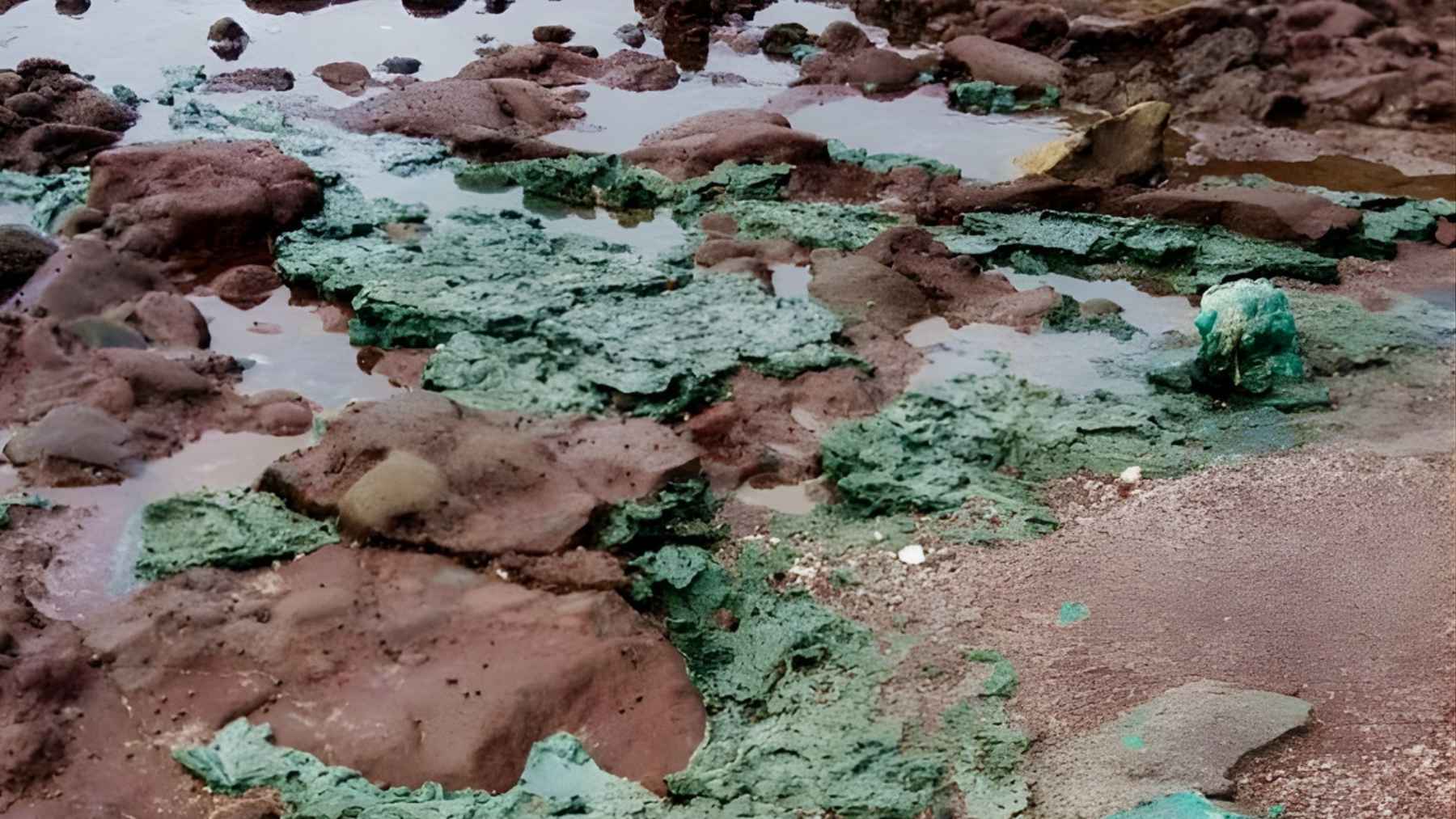
A governmental report prepared by the corridor agency spells out environmental risks in unusually blunt language. It warns that the industrial parks will “create an urban industrial landscape” that replaces vegetation and brings contamination of water, air and soil, leaving land infertile and causing mass death of fauna and flora.
By stripping away forest and shrub, the report notes, many animals will simply lose the conditions they need to survive, especially slower moving reptiles and small mammals. These warnings are not coming from activists. They are written by the public body in charge of the project.
Communities demand to be heard
A recent participatory environmental impact assessment in San Juan Guichicovi in northern Oaxaca used local knowledge to map water sources, forest patches and wildlife corridors touched by the corridor.
Researchers found that the exercise exposed important gaps in the official study and concluded that any mega project in the isthmus needs real participation from affected communities, not just formal hearings once bulldozers are already at the edge of town.
Climate change is part of the story
Climate disruption in Panama helps explain why this Mexican route is getting so much attention. A prolonged drought linked to El Niño and global warming lowered water levels in Gatun Lake and forced daily ship limits, sending many vessels onto longer routes.
In that context a functioning dry canal looks like a safety valve for trade. A pilot shipment of nearly one thousand vehicles already used the isthmus railway to move cars between Pacific and Atlantic ports instead of passing through Panama.
From a climate point of view, the picture is mixed. Studies show that both rail and sea are far more carbon efficient per ton kilometer than trucks and planes, particularly when lines are electrified. The corridor will only help the climate if it avoids locking in more fossil fuel use and truly shifts freight off highways.
Can the corridor still become genuinely green
Under the European Union’s Global Gateway initiative, a flagship project on the Tehuantepec corridor aims to support green and inclusive investments, including renewable electricity, grid upgrades, renewable hydrogen and green ammonia production, along with skills training for local workers. If those plans and Mexico’s own commitments to cleaner energy translate into real projects with strict safeguards, the corridor could still evolve into a lower-carbon hub, even if some habitat loss is already baked in.
At the end of the day, the Interoceanic Corridor of the Isthmus of Tehuantepec is more than a shortcut for cargo. It is a test of whether new trade routes in a warming world can lift regional economies without turning biodiverse landscapes into sacrifice zones.
The study was published in Sociedad y Ambiente.