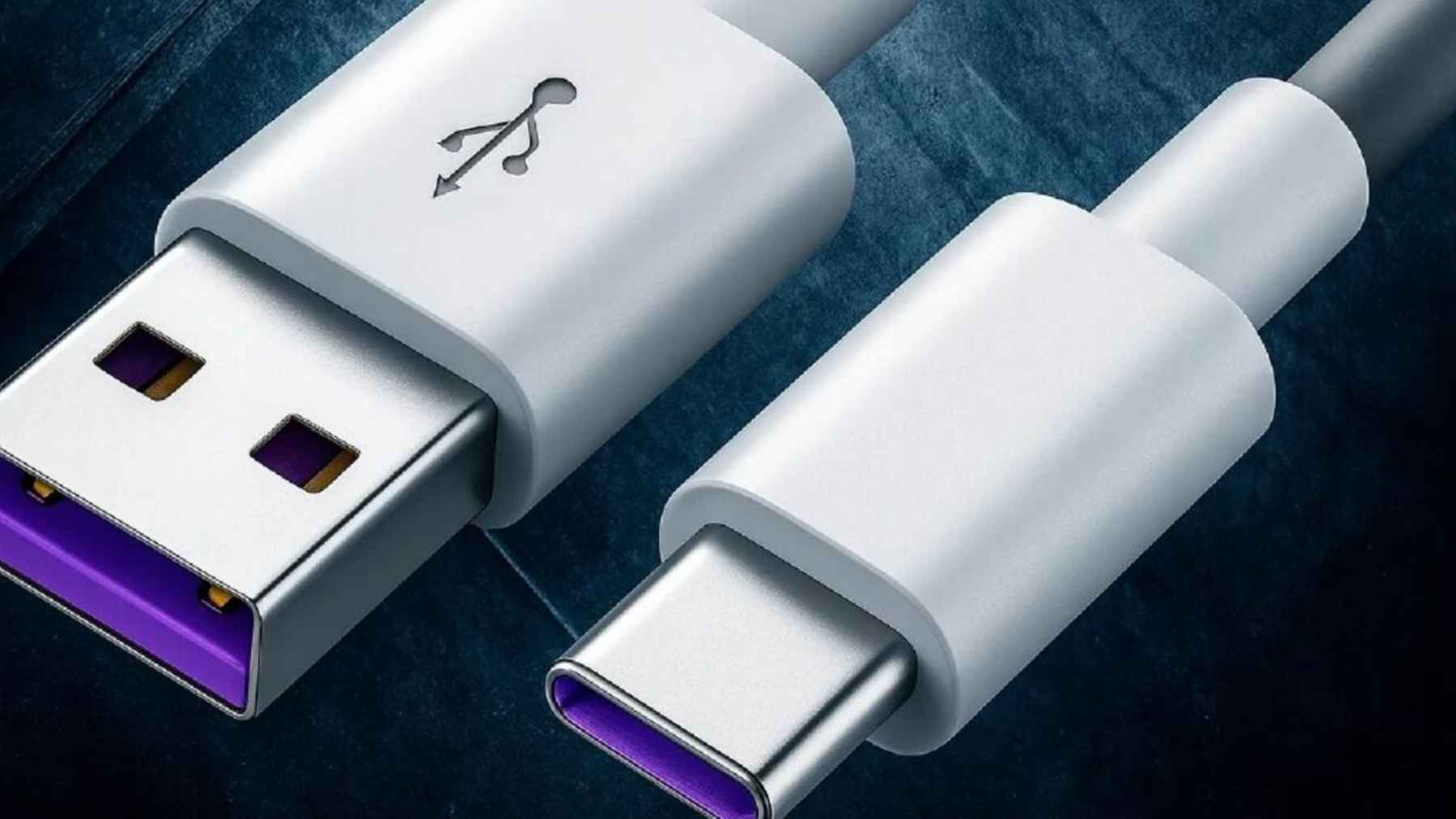
If you have stared at a power strip or new wall charger lately and noticed a mysterious purple USB port, you are not alone. That little splash of color usually signals extra speed and extra power, but it also hints at a growing tangle of proprietary charging systems that has real consequences for energy use and electronic waste.
USB port colors and what they signal
In the official USB world, only a few colors are recommended. Classic black or white is tied to older USB 2.0, while blue is the suggested color for SuperSpeed USB 3.0 ports. Everything beyond that is optional.
Experts note that manufacturers often use their own schemes and that USB color coding is not actually enforced by the USB Implementers Forum, so the same color can mean different things on different devices.
Purple USB ports and fast charging standards
Purple is one of those unofficial signals. Several technical references list purple inserts on USB A or USB C plugs as a visual hint that the port supports Huawei SuperCharge or a USB 3.1 grade high-speed connection.
In simple terms, it often points to a port that can move data quickly and push a lot more power than the basic five watt phone bricks many of us grew up with.
Huawei SuperCharge, USB Power Delivery, and Qualcomm Quick Charge
How much more power are we talking about? Huawei modules and chargers that support SuperCharge routinely advertise peak outputs around forty watts and higher, while still working with standard USB Power Delivery and Qualcomm Quick Charge protocols.
Qualcomm itself promotes Quick Charge 5 as capable of more than one hundred watts under ideal conditions. That is great when your battery is almost empty and you are about to miss the train. It also means more heat and more stress on lithium ion cells if the charging process is not carefully managed.
Battery wear, energy use, and the e-waste problem
Battery research from Huawei and partners suggests that smarter fast-charging patterns can slow that wear, with dynamic pulse charging helping batteries keep a higher share of their original capacity after hundreds of cycles compared with constant full-power charging.
Why does that matter for the environment? Because every battery that fails early nudges a phone or tablet closer to the drawer of forgotten gadgets and, eventually, to the recycling stream or landfill.
How to choose the right cable and port
For everyday users, the takeaway is practical. A purple or green high power port is most efficient when paired with the right certified cable and a device that actually supports that fast standard. Otherwise, you may get slower charging, wasted time on the outlet, and one more cable that feels useless and ends up in the trash.
In other words, that bright purple tab is not just a design flourish. It is a small clue in a bigger story about how we power our electronics and how long they last before becoming e-waste.
The official statement was published on Huawei Digital Power.