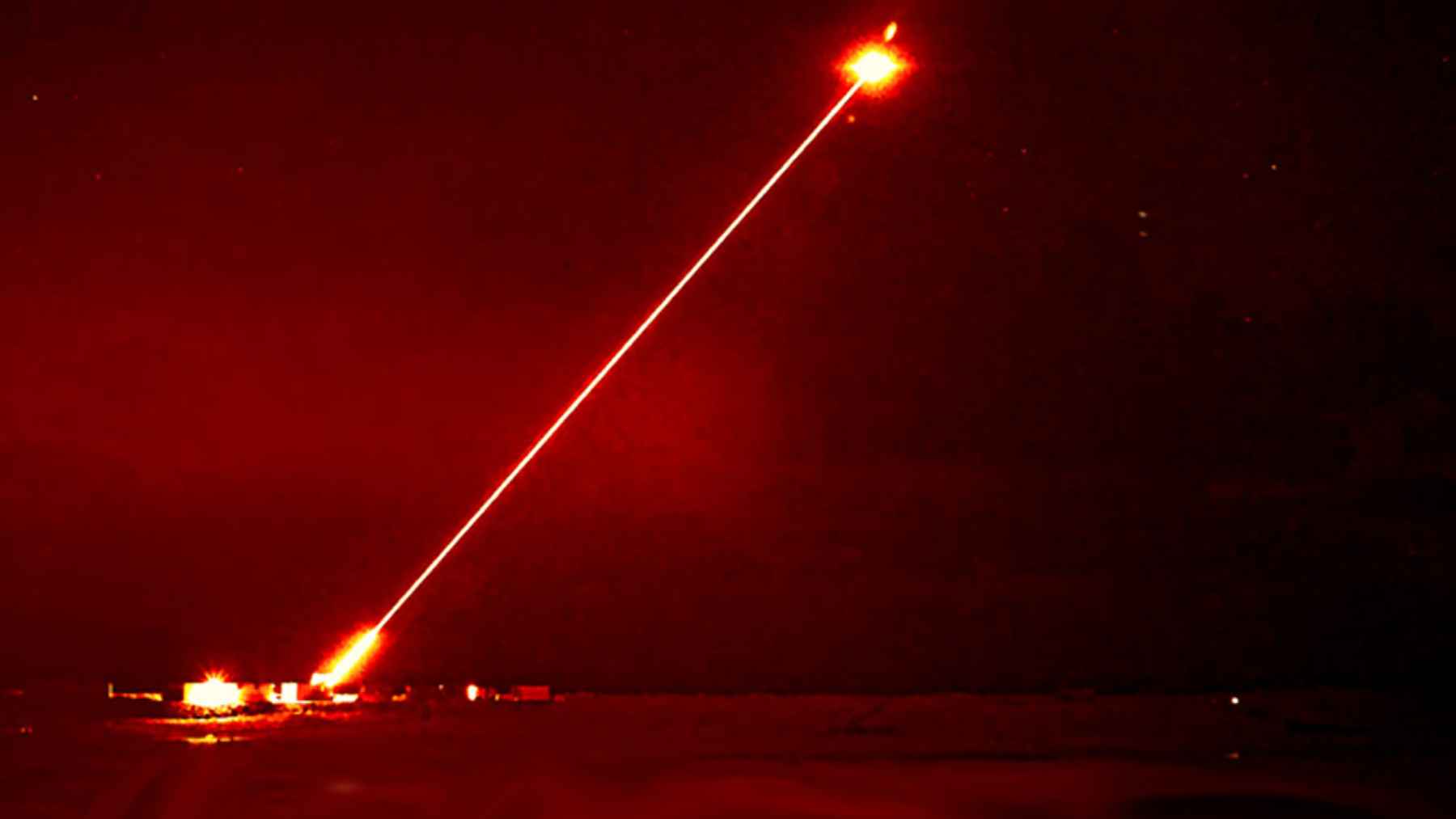
In the most recent trials at the Hebrides range, DragonFire detected, tracked, engaged, and destroyed remotely piloted drones that can fly at up to 650 kilometers per hour, roughly 403 miles per hour.
Officials describe this as the first time the United Kingdom has carried out an above-the-horizon laser intercept against such fast targets, which means the system kept its lock even as the drones moved beyond the direct line of sight of the range itself.
The ministry also reports that the laser is accurate enough to hit a one pound coin at a distance of one kilometer, a target slightly smaller than a US quarter. At the same time, each shot is said to cost about £10, or around $13, because the weapon uses electrical power rather than rocket motors or explosive warheads.
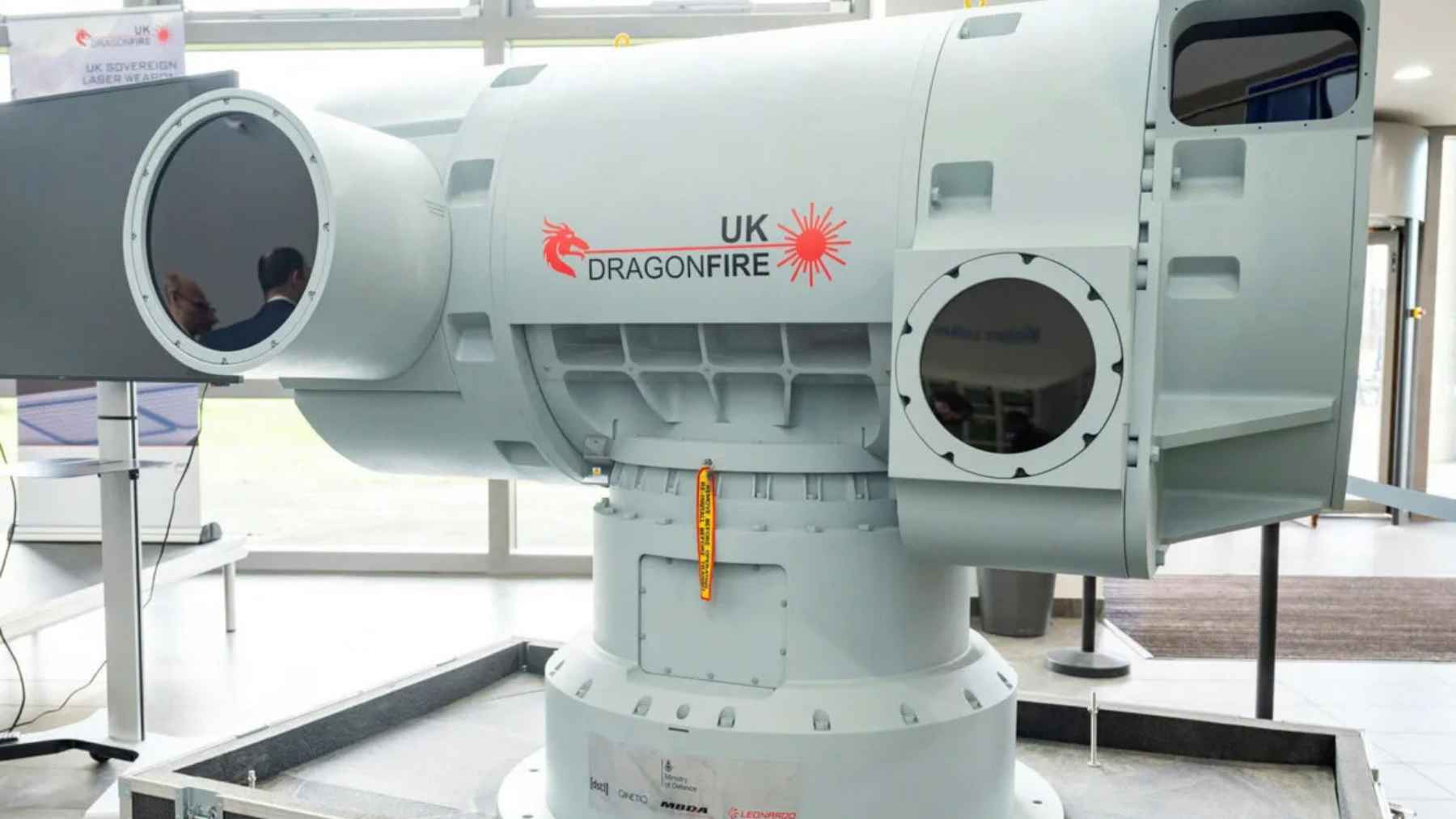
DragonFire is a laser-directed energy weapon, which means it focuses a powerful beam of light onto a small spot on the target until heat damages or destroys vital parts.
The beam itself is not the bright sci-fi ray many people imagine, yet the effect is similar to holding a magnifying glass in the sun and keeping it steady on one point, just scaled up with far more power. The difficult part is less about the light and more about keeping that beam firmly on a twisting, turning drone long enough to burn through.
From Hebrides range to a Type 45 destroyer
The DragonFire trials gave the green light for a £316 million contract that will put the laser on at least one Type 45 Daring class destroyer from 2027, almost five years earlier than first scheduled.
That timetable is tied to the Strategic Defence Review, which pushes the United Kingdom to field directed energy weapons faster in response to the surge in missile and drone attacks seen in recent conflicts.
According to the government, the program will create or sustain nearly six hundred jobs across the country, with roles in Scotland, the South West of England, and the East of England, as MBDA UK works alongside QinetiQ and Leonardo on the system.
The ministry also highlights DragonFire as the first high-power laser capability to enter service from a European nation, a sign that this is not just a one off experiment but a flagship project inside NATO.
Minister for Defence Readiness and Industry Luke Pollard says the high-power laser will put the Royal Navy “at the leading edge of innovation in NATO” while helping to defend the United Kingdom and its allies in what he calls a new era of threat.
His message is that lasers are moving from the lab to the front line, not as science fiction gadgets but as tools sailors will actually rely on.
Cheap shots against expensive drones
Officials describe DragonFire as a hard kill solution, meaning it is meant to physically destroy incoming threats rather than simply jam or confuse them.
Traditional anti-air missiles can cost hundreds of thousands of pounds or more every time a crew pushes the launch button, and the Royal Navy notes that a single Sea Viper missile can cost over one million pounds, while a DragonFire shot sits close to the price of a simple restaurant meal. For taxpayers who follow defense budgets, that gap is hard to ignore.
Those economics matter in a world where small drones are cheap, plentiful, and often flown in swarms. When a relatively-low-cost quadcopter forces a ship to burn through missiles that cost far more than most homes, the defense budget bends under the strain.
A laser that can keep firing as long as the generators and the electric bill can handle it could ease that pressure to a large extent.
The DragonFire program builds on other United Kingdom trials with directed energy weapons, including a vehicle-mounted radio frequency system aimed at disrupting drone swarms and a ground-based, high-energy laser demonstrator named Wolfhound that showed complete success in field trials last year.
Compared with those land systems, the shipboard laser is focused on precise strikes against high-speed airborne threats where mobility and wide area effects are less important than unwavering accuracy. In practical terms, that means knocking down a hostile drone before it can get close enough to threaten the ship or the merchant vessels sailing nearby.
Limits, risks, and what happens next
DragonFire’s beam needs a clear line of sight to the target, so heavy rain, fog, sea spray, or dust in the air can reduce performance by scattering the light. The weapon also draws a large amount of electrical power, which helps explain why it is first going onto major warships that already carry powerful generators and complex power management systems.
The ministry has not made the maximum engagement range or exact power level public, which keeps some important technical details behind closed doors.
The first installation on a Type 45 destroyer will act as a real world test to see how the system copes with constant ship motion, rolling seas, power spikes, and the kind of rough weather that never shows up in a laboratory. If those sea trials go well, officials say more Royal Navy vessels could receive the weapon in future years as budgets and operational priorities allow.
For people far from the ocean, a shipboard laser can sound like a distant curiosity, yet it ties directly to whether trade routes stay open and whether allied governments pour more money into ammunition or into other public needs.
Experts see DragonFire as one major step in a broader shift toward directed energy across NATO, where lasers and similar systems sit alongside, rather than replace, existing missile and gun defenses. At the end of the day, the real test is whether this new weapon can reliably protect ships during the kind of drone and missile attacks already seen in recent wars.
The main press release has been published by the UK Ministry of Defence.