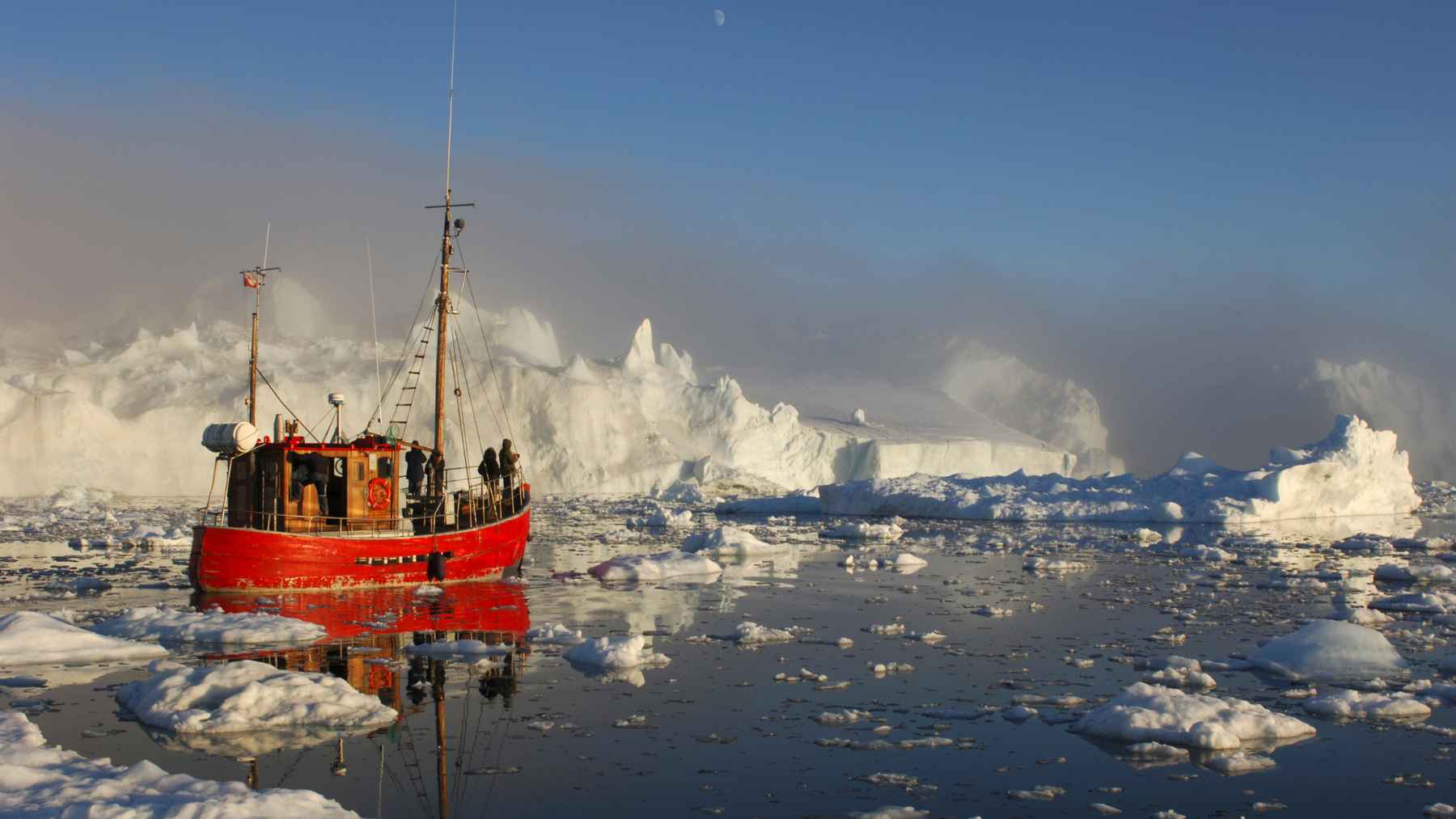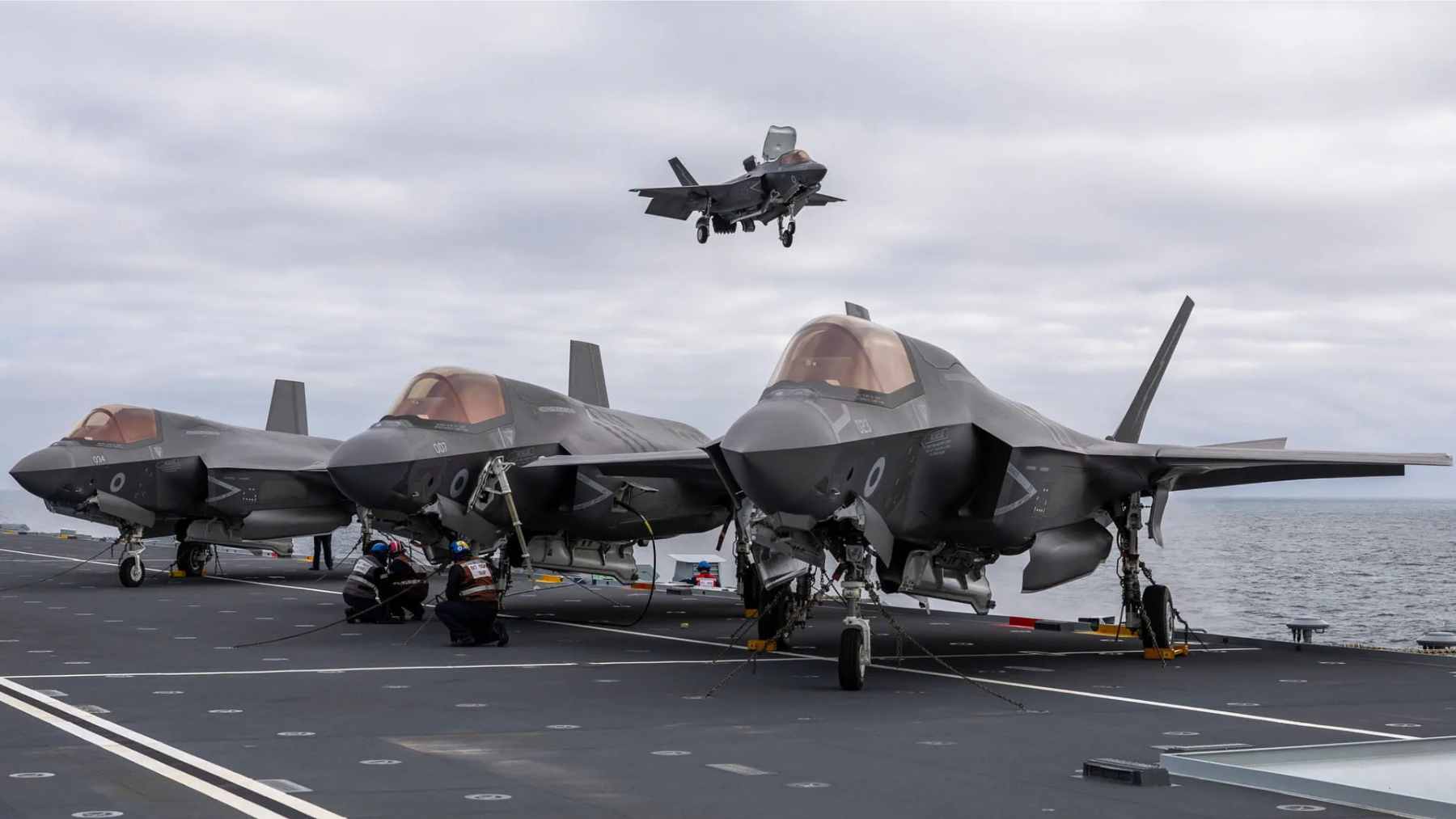
The United Kingdom is sending its largest warship into one of the most fragile oceans on Earth. At the Munich Security Conference, Prime Minister Keir Starmer confirmed that a carrier strike group led by HMS Prince of Wales will deploy to the North Atlantic and the High North this year, sailing alongside the United States, Canada and other allies as a show of Euro Atlantic security.
Spanish and British reports describe that mission as a guarantee of security for Greenland, in a context shaped by President Donald Trump and his pressure on Europe to spend more on defense and his renewed interest in Greenland’s strategic position.
Starmer used his speech to argue that there is “no British security without Europe, and no European security without Britain,” and he described Europe as a “sleeping giant” whose fragmented defense industry leaves its real capabilities underused.
A new deployment in a fast-changing Arctic
On paper, the story sounds like classic geopolitics. In practice, these ships are sailing into a region that is already in the middle of a different kind of emergency.
Satellite records and observational studies show that large parts of the Arctic Ocean have warmed almost four times faster than the global average. Between 2024 and 2025 the Arctic logged its hottest year in more than a century, while winter sea ice hit a record low and the oldest, thickest ice kept shrinking.
Greenland’s ice and the sea level stakes
For Greenland, the numbers are even more personal. Its ice sheet already accounts for roughly one fifth to one quarter of current global sea level rise and some estimates place its annual contribution around six tenths of a millimeter each year.
Over the last two decades satellites have recorded more than five thousand billion tons of ice lost from Greenland, adding about one and a half centimeters to global sea levels, and a recent analysis found that a May heatwave drove melt rates to more than seventeen times the long-term average.
Those figures eventually show up not in policy speeches but in flooded basements, higher insurance premiums and seaside streets that need new seawalls.
Security concerns and climate risk collide
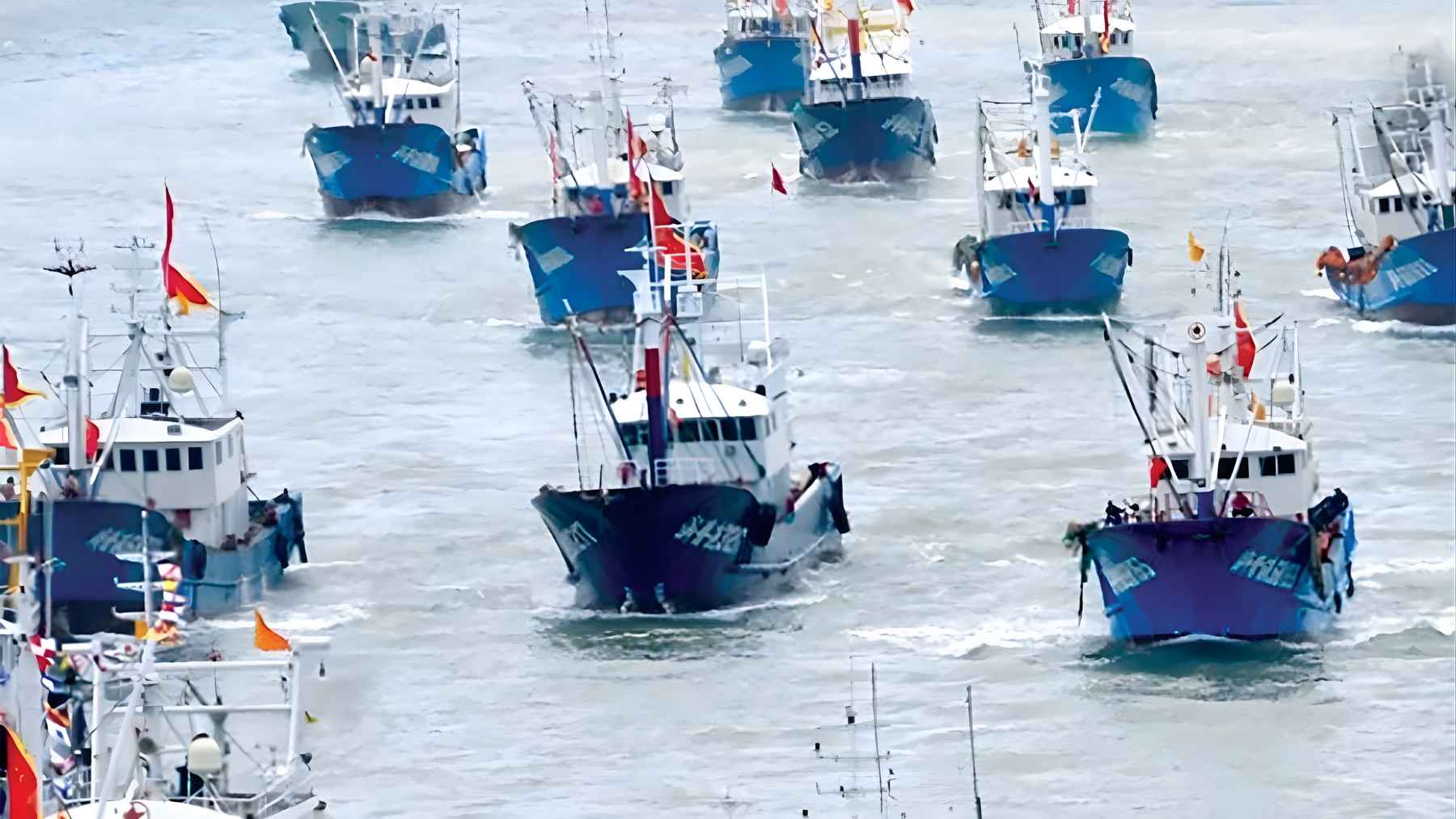
Security planners worry about Russian submarines and Chinese icebreakers near Greenland. Climate scientists point to the ice itself.
At the end of the day, both are talking about risk, but with very different timelines.
Militarization and what it means on the ground
The Arctic has never been an entirely demilitarized space. NATO has held cold weather exercises there since the Cold War and its recent strategy papers describe the region as a growing focus for collective defense.
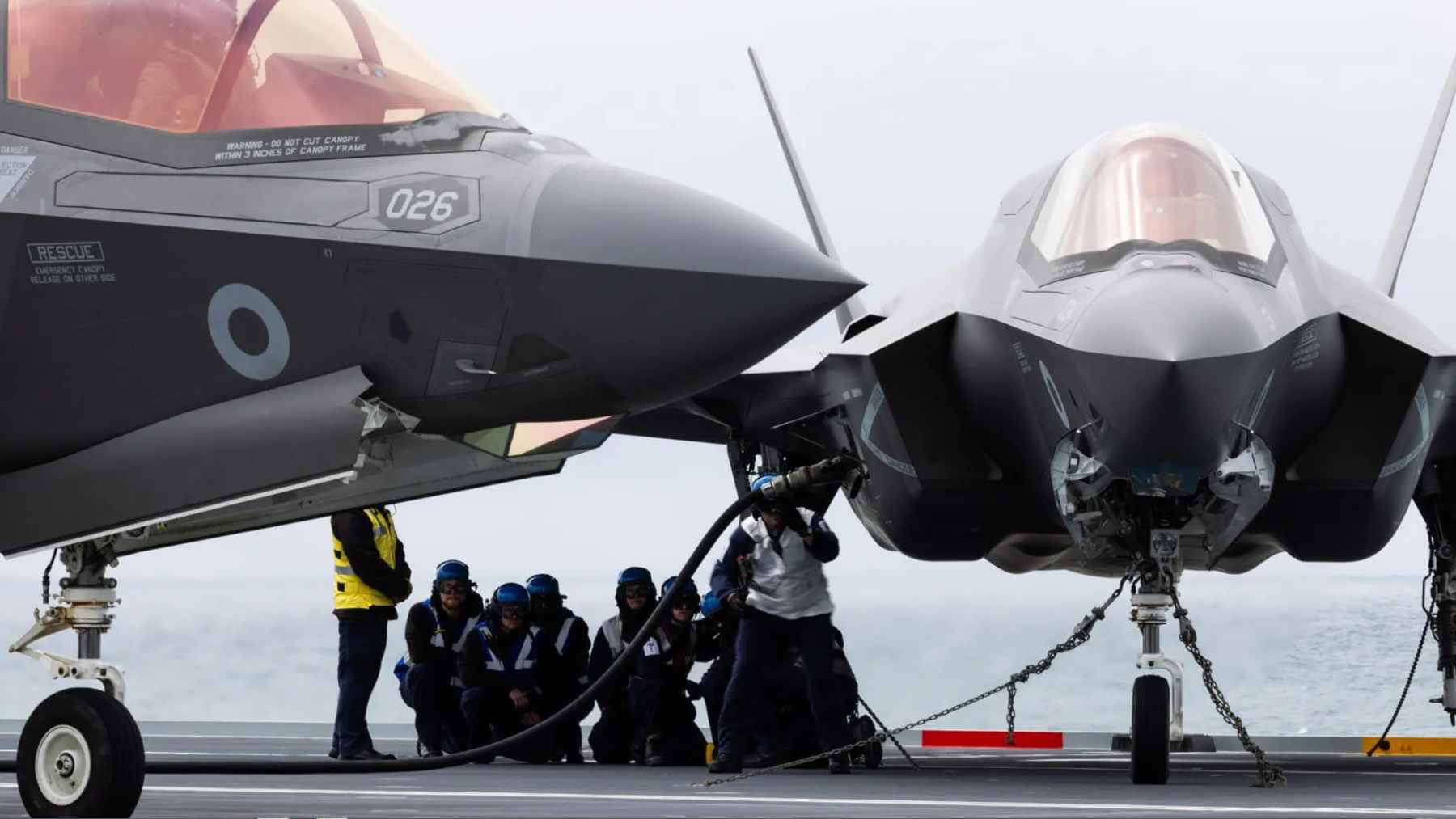
New research on the militarization of the Nordic Arctic warns that more bases, training ranges and heavy equipment can bring contamination, habitat loss and disruptive noise into landscapes that are already stressed by rapid warming.
The emissions problem and black carbon in polar seas
Ships are part of the problem. Global shipping already emits more than a billion tons of carbon dioxide each year, close to 3% of worldwide emissions, and heavy fuel oil exhaust releases black carbon particles that darken snow and ice and speed up melt.
One recent study suggests that ships linked to European trade are major drivers of black carbon pollution in Arctic waters, and that their contribution has been higher than earlier estimates.
Other analyses highlight how growing traffic through newly opened Arctic routes brings extra noise, collision risks for whales and seals, and the very real danger of an oil spill in icy seas that are notoriously hard to clean.
Indigenous communities and everyday impacts
Researchers and Indigenous communities also warn that large-scale military training can disturb caribou migrations, damage tundra vegetation and undermine hunting and fishing traditions that have sustained Arctic peoples for generations.
In other words, security choices in the High North echo through local food systems as much as they do through alliance politics.
What happens next?
None of this means the carrier strike group should stay tied up in port. States have legitimate concerns about undersea cables, resource claims and increasingly crowded sea lanes around Greenland.
The question is whether every new deployment also comes with a serious plan to cut fuel use, limit black carbon, avoid sensitive wildlife areas and include Arctic communities in decisions that affect their coasts.
For Greenland and for coastal cities far away, real safety will depend as much on slowing the melt as on patrolling the sea.
The official statement was published on GOV.UK.