The diplomatic chill between Canada and the United States over F‑35 fighter jets is not only about sovereignty and air defense. It is also about whether a warming planet can afford yet another surge in high-carbon hardware circling the Arctic sky.
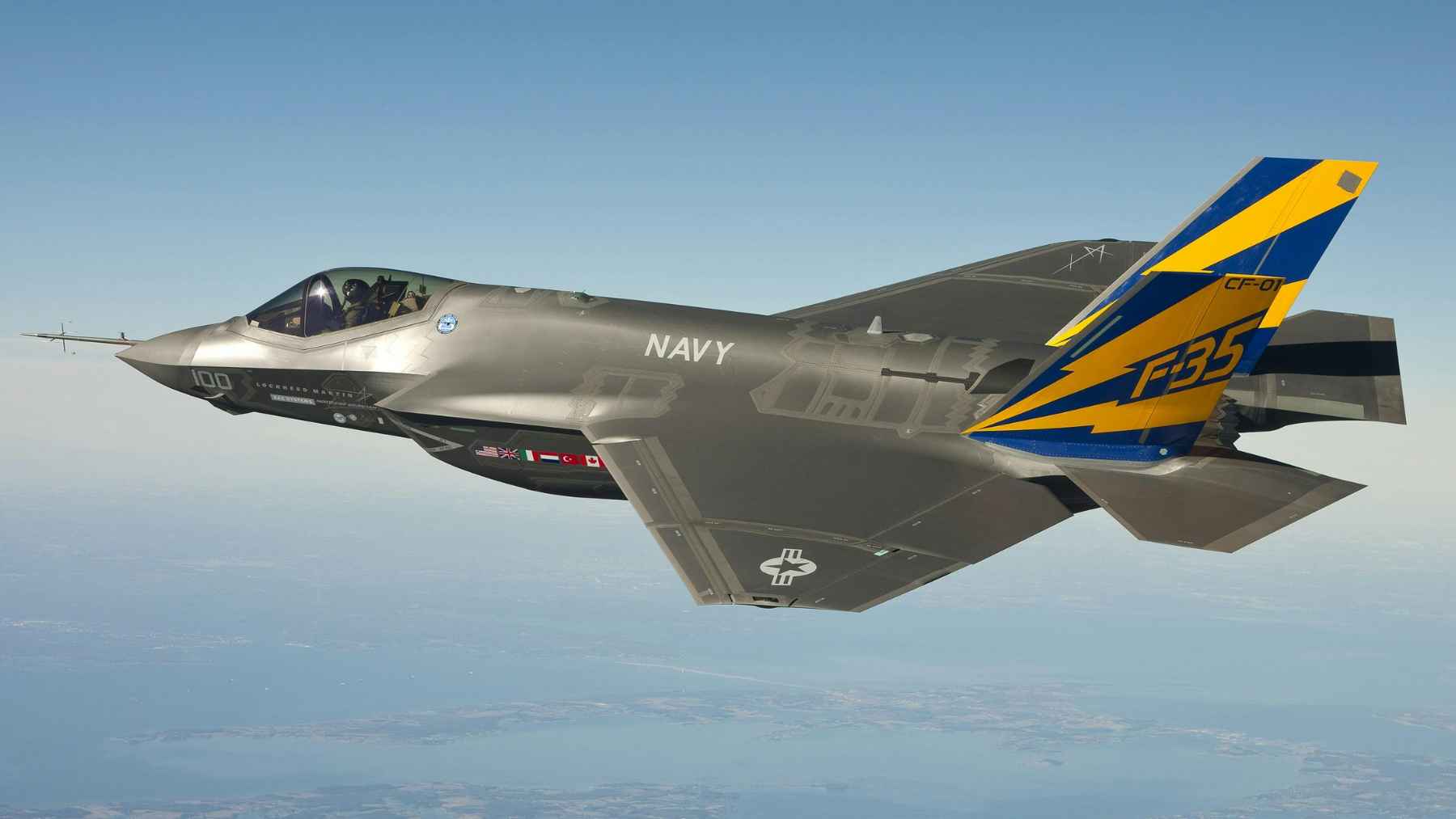
In a recent interview, Pete Hoekstra warned that the binational North American Aerospace Defense Command pact “would have to be altered” if Ottawa backs away from its plan to buy 88 F‑35s. He said Washington would likely purchase more of the jets for its own air force and fly them more frequently into Canadian airspace to plug any gaps.
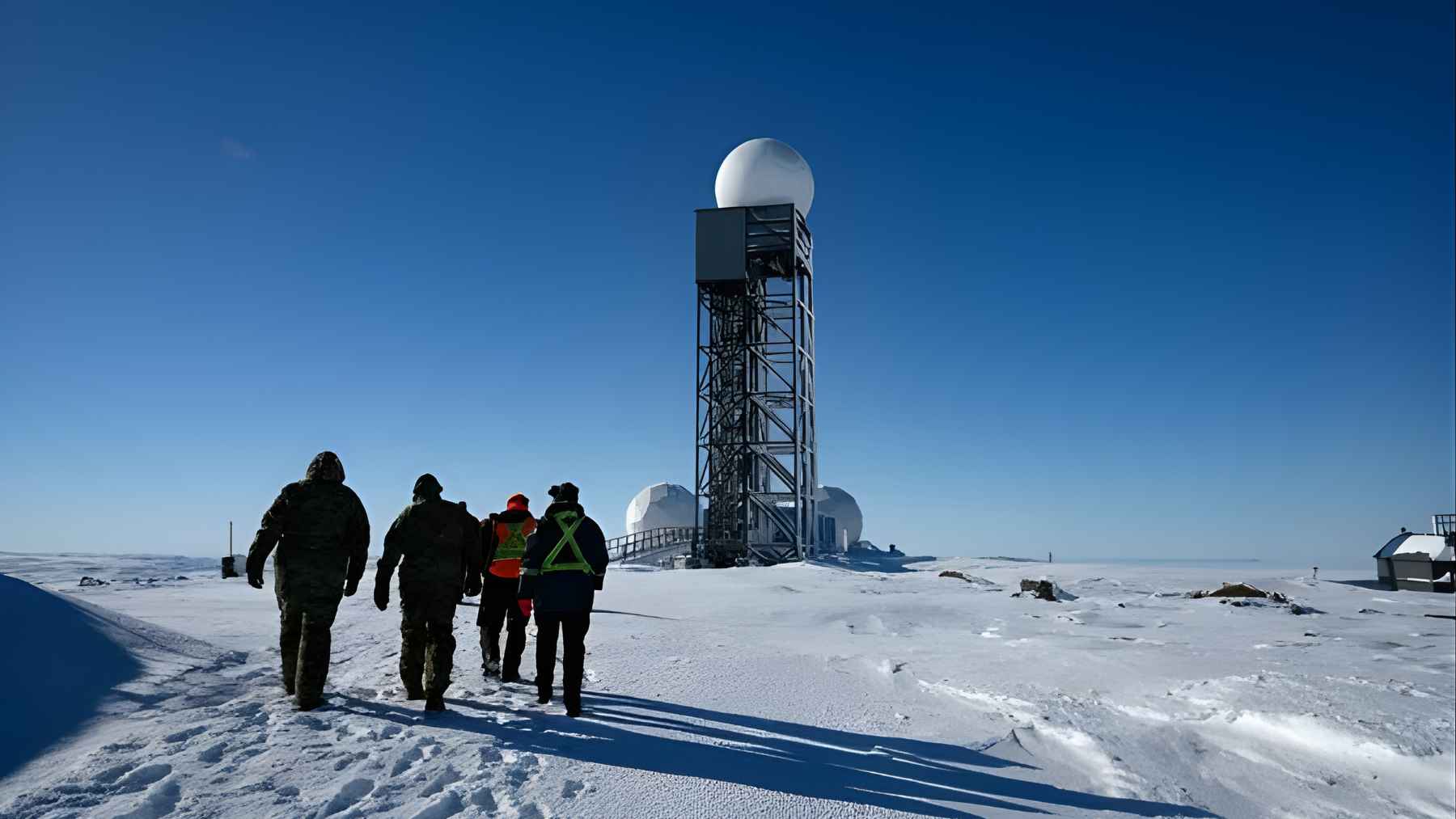
NORAD already works on a simple rule that the closest aircraft responds, no matter which side of the border it belongs to. U S fighters have stepped in over Canadian territory in the past, from a bomb threat on a German airliner near Calgary to the downing of a suspicious balloon over Yukon in 2023.
Hoekstra’s message is that this kind of intervention would become routine if Canada cuts or cancels its F‑35 order.
Security experts in Canada have pushed back. Andrea Charron from the Centre for Defence and Security Studies called public threats a gift to adversaries and a risk to the credibility of shared deterrence.
Former national security adviser Vincent Rigby described the comments as a political pressure tactic rather than a settled Pentagon position. In other words, the volume is up, but the situation is still fluid.
That noise comes on top of a separate shift already underway. According to a report by Reuters, Prime Minister Mark Carney ordered a review of the multibillion dollar F‑35 contract in 2025, arguing that Canada relies too heavily on U S weapons and should diversify its suppliers.
The country has legally committed funds for the first 16 jets, but is openly exploring other options while trade tensions and tariff threats swirl in the background.
One of those options is Swedish-made Gripen fighters from Saab, bundled with GlobalEye surveillance aircraft and a promise of more than twelve thousand Canadian jobs through local production.
An Ekos poll cited by Canadian media found that roughly 43% of respondents prefer a Gripen fleet and another 29% favor a mixed Gripen F‑35 force, while support for buying only F‑35s sinks to about 13%. So public opinion is already nudging politicians toward a different kind of deal.
So what does any of this have to do with the climate and the environment that ECONEWS readers care about? Quite a lot. F‑35 class stealth fighters are not just expensive to buy. They are extremely hungry machines every hour they are in the air.
An analysis cited by ECONEWS found that comparable aircraft can burn more than one thousand gallons of jet fuel in a single flight hour, with one watchdog calculation putting potential emissions at around twenty eight thousand pounds of carbon dioxide for that hour of training or patrol. That is more than many family cars produce in an entire year of commuting.
Those tailpipes do not operate in a vacuum. Researchers at the Conflict and Environment Observatory and Scientists for Global Responsibility estimate that militaries worldwide are responsible for roughly 5.5% of global greenhouse gas emissions, a footprint larger than civil aviation or shipping, even though military emissions are often left out of official climate reporting.
Every new fleet of jets locks in decades of fuel use and maintenance flights on top of that hidden baseline.
For people in northern communities who already live with louder skies and see climate change up close through thawing permafrost and smoky summers, the idea of more high performance jets overhead is about more than noise.
It means more fuel burned to defend the same stretch of airspace. It means the bill for carbon pollution climbs while households are told to change boilers, insulate walls, and watch every kilowatt on the electric bill. The contradiction is hard to ignore.
Not all fighter programs are identical, however. Saab points out that its Gripen family is certified to operate with blends of sustainable aviation fuel and has completed test flights using 100% synthetic fuel without a loss of performance, while also emphasizing a lighter single engine design that can help lower fuel burn.
That does not make any supersonic jet “green” in the usual sense, but it shows that design choices can at least move in a slightly cleaner direction.
At the end of the day, the debate over whether Canada should stick with the F‑35 or shift toward Gripen is about more than who scrambles first when a radar blip appears over the Arctic. It is also about whether climate targets apply to the defense sector or stop at the hangar door.
Hoekstra’s warning that more U S F‑35s will fill the skies if Canada buys fewer of its own simply underlines the environmental stakes. Extra jets will still burn fuel, no matter which flag is painted on the tail.
For Canadians and their allies, the next step is not only to decide which aircraft best protects the continent. It is to ask how many flight hours they are willing to budget in a world that needs deep emission cuts, and whether any future defense plan should come with a clear, transparent carbon accounting of its own.
The official statement was published on the Defence Industry Europe.