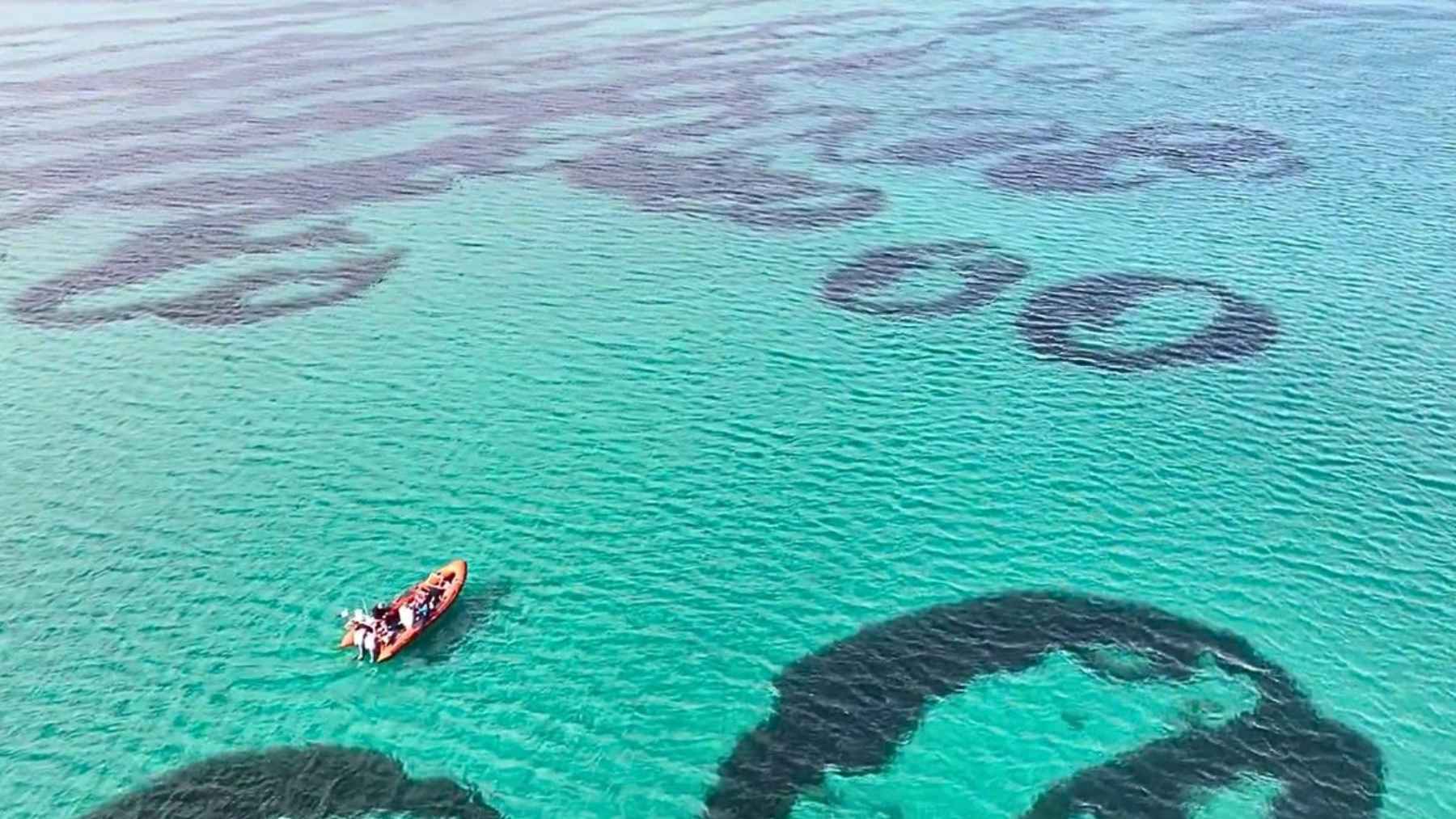
Hundreds of giant ring shapes have appeared on the seafloor off the coast of Scotland, and they look like something straight out of science fiction. From above, the formations resemble pale turquoise halos set against darker water, each one a near-perfect circle.
They are not crop circles or the remains of lost buildings. They are living seagrass meadows, arranged in patterns that scientists are only beginning to understand. And behind the beauty lies a serious story about how much of this underwater habitat has already been lost.
A rare sight in the Sound of Barra
The circles were filmed in the Sound of Barra, a shallow channel in the Outer Hebrides. Nature experts there used aerial video to reveal hundreds of almost geometric rings in seagrass beds that usually look like continuous green carpets.
According to NatureScot, this is the first time such seagrass circles have ever been recorded on video in Scottish waters. Marine staff jokingly call them “seagrass donuts,” while others know them as “fairy circles.” Sarah Cunningham from the agency put it simply, saying that “as far as we know, this is the first video of seagrass fairy circles in Scotland’s seas.”
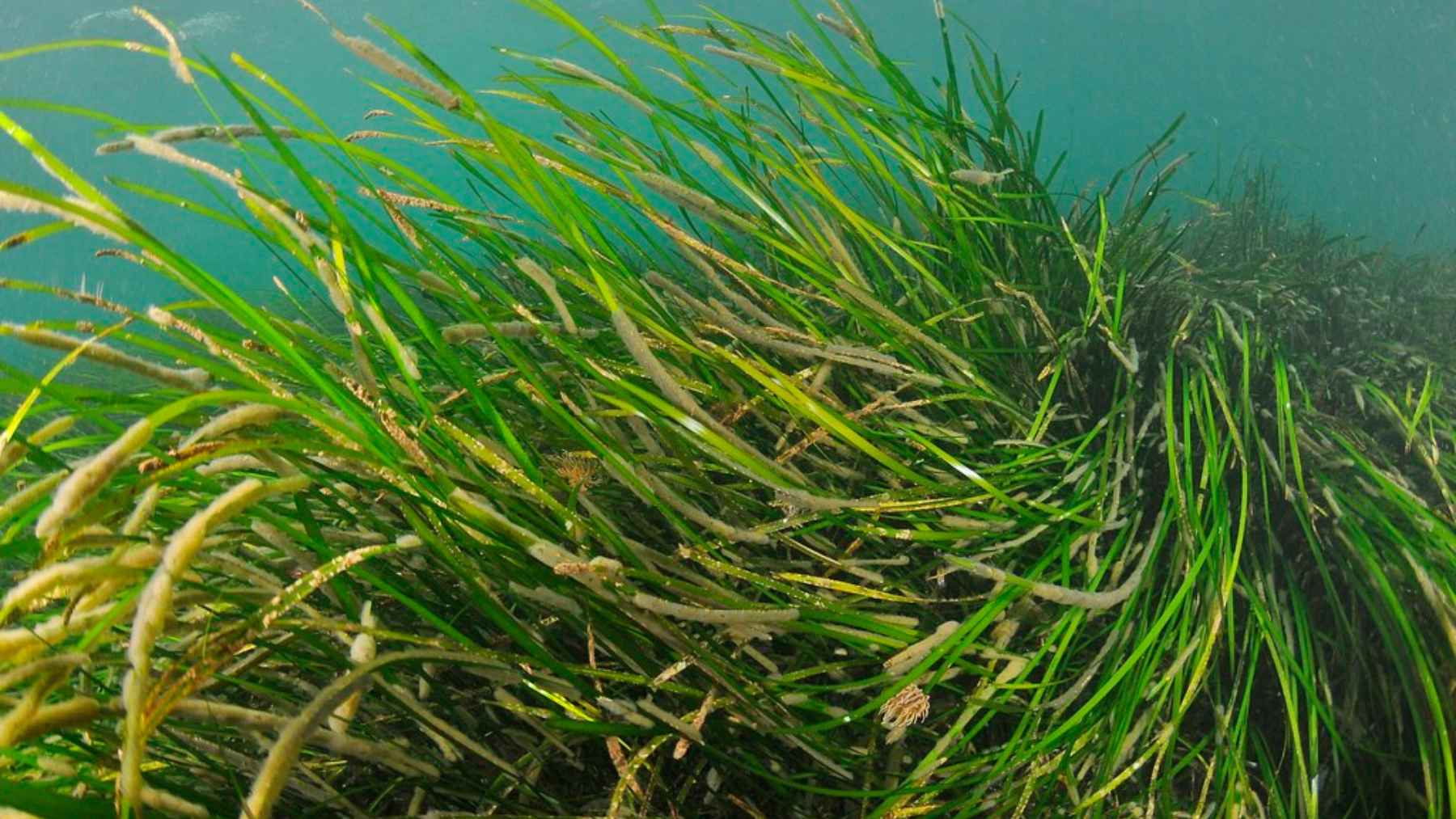
The rings are made of common eelgrass, Zostera marina, which forms dense meadows in shallow, sheltered bays. In the Sound of Barra, those meadows now carry intricate circular patterns that echo similar formations seen in the Mediterranean, off Denmark and near the Isles of Scilly in England. So what is actually carving these rings into the seabed?
A mystery with clues from other seas
NatureScot is clear on one point. The circles form naturally, and they are rarely seen. Scientists do not yet know which exact processes created the Scottish patterns.
However, studies from other regions give some hints. Research on so-called marine fairy circles has linked similar rings to a mix of factors that include changes in sediment, toxic hydrogen sulfide building up in older plants, and the way seagrass spreads outward from a central patch while older shoots in the middle slowly die back.
In some sites, simple human activity such as boat moorings scouring the bottom has also cut circular gaps in existing meadows.
In scientific terms, these landscapes look like a textbook example of self-organized patterns. Plants help each other at close range, then compete for space and nutrients across larger distances, which can naturally create rings, stripes or leopard-like spots in vegetation. That idea has been tested in detail for seagrass patterns in the Mediterranean and may eventually be checked in the Sound of Barra as well.
For now, the circles in Scotland remain a puzzle. The bigger story is what they reveal about a habitat that has quietly shrunk over the past century.
Seagrass meadows after a century of decline
Seagrass beds once lined much of Scotland’s coastline. Historical accounts describe them as so abundant that people in Orkney used dried seagrass to thatch roofs. Then, in the 1930s, a wasting disease caused by a slime mold swept through European eelgrass and wiped out large areas, including around the Outer Hebrides and Shetland. Many beds have never fully recovered.
The new NatureScot research report on Scottish seagrass finds that both past disease and modern pressures such as pollution, coastal construction and seabed dredging have contributed to wide-scale losses. At the same time, it notes hopeful pockets of recovery where water quality has improved and damaging fishing methods have stopped. Places like Loch Ryan and the Firth of Forth are already seeing meadows return.
The Scottish picture fits into a wider trend. A national analysis for the United Kingdom estimates that at least 44 percent of seagrass has disappeared since the 1930s, with long-term losses possibly much higher. Globally, seagrass covers only a tiny fraction of the ocean floor yet stores huge amounts of carbon and supports fisheries and coastal livelihoods.
Why these “donuts” matter for climate and coasts
At first glance, underwater circles might seem like a curiosity for divers and drone pilots. In practical terms, though, seagrass meadows work quietly in the background of everyday life.
Their roots and rhizomes lock sediments in place and reduce wave energy, which helps protect low-lying coasts, roads and homes from erosion and storm damage. Their leaves slow the water, allowing particles to settle, which can improve water clarity and even reduce contamination in seafood.
Seagrass is also a key part of the planet’s blue carbon system. It can trap carbon in seabed sediments for centuries and, by some estimates, global meadows store carbon on the order of tens of billions of tons. Losing these meadows not only releases some of that carbon but removes a natural line of defense against climate change.
For coastal communities, that matters in very down-to-earth ways. Healthier seagrass can mean better water quality at local beaches, more nursery habitat for fish and shellfish, and a natural buffer that takes the edge off the kind of winter storms that already worry many homeowners more than their next electric bill.
Protecting the quiet engineers of the seabed
Scotland now lists seagrass beds as a Priority Marine Feature and includes them within Marine Protected Areas. Restoration funds are helping community projects collect seeds and replant them, with targets to restore new hectares of meadows over the next few years.
Seen in that light, the strange rings in the Sound of Barra are more than a viral video. They are a reminder that even damaged ecosystems can show resilience when given space to recover and that the patterns we notice from the air can point toward deeper environmental change under the surface.
The official statement was published on NatureScot’s website.