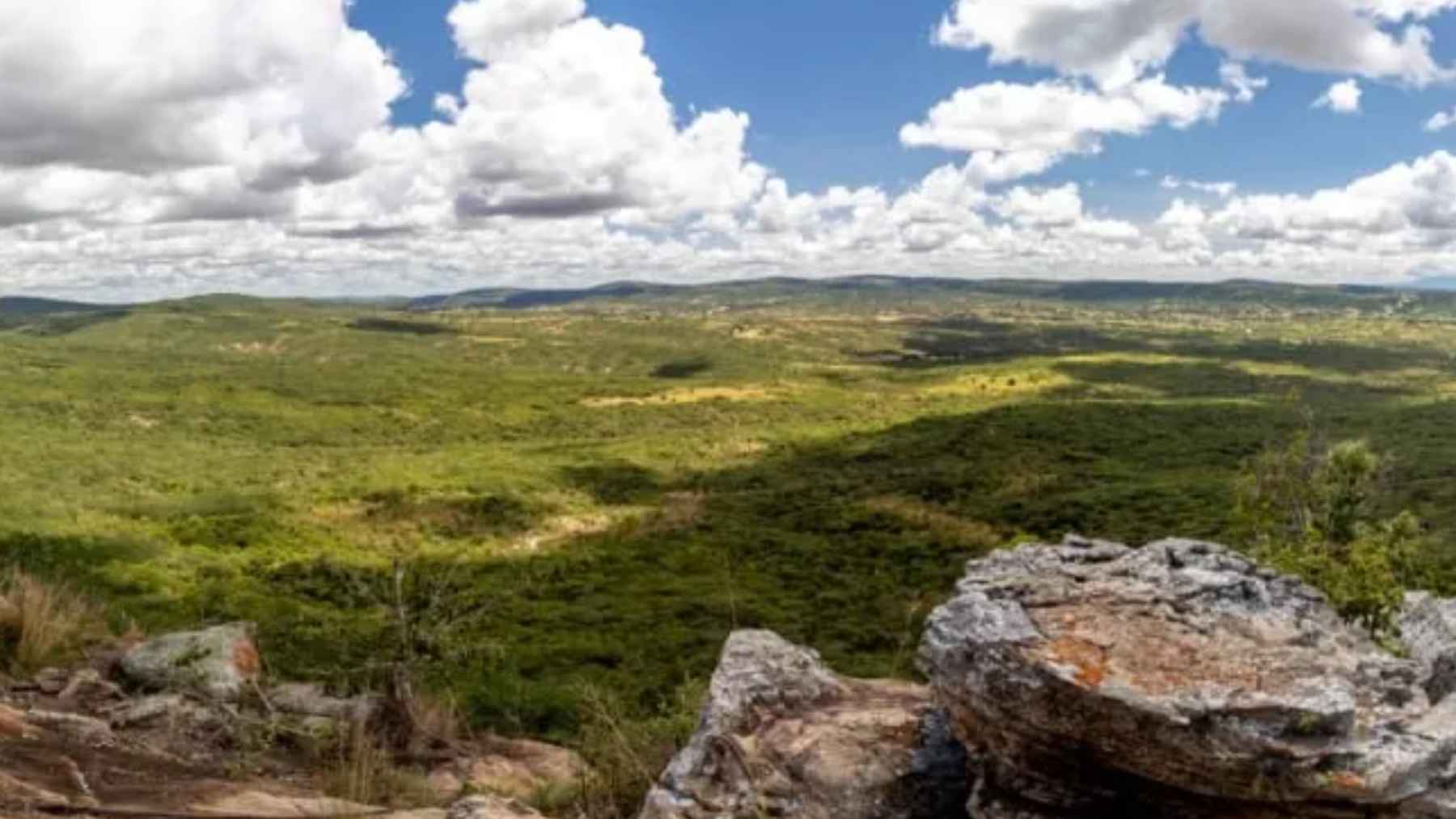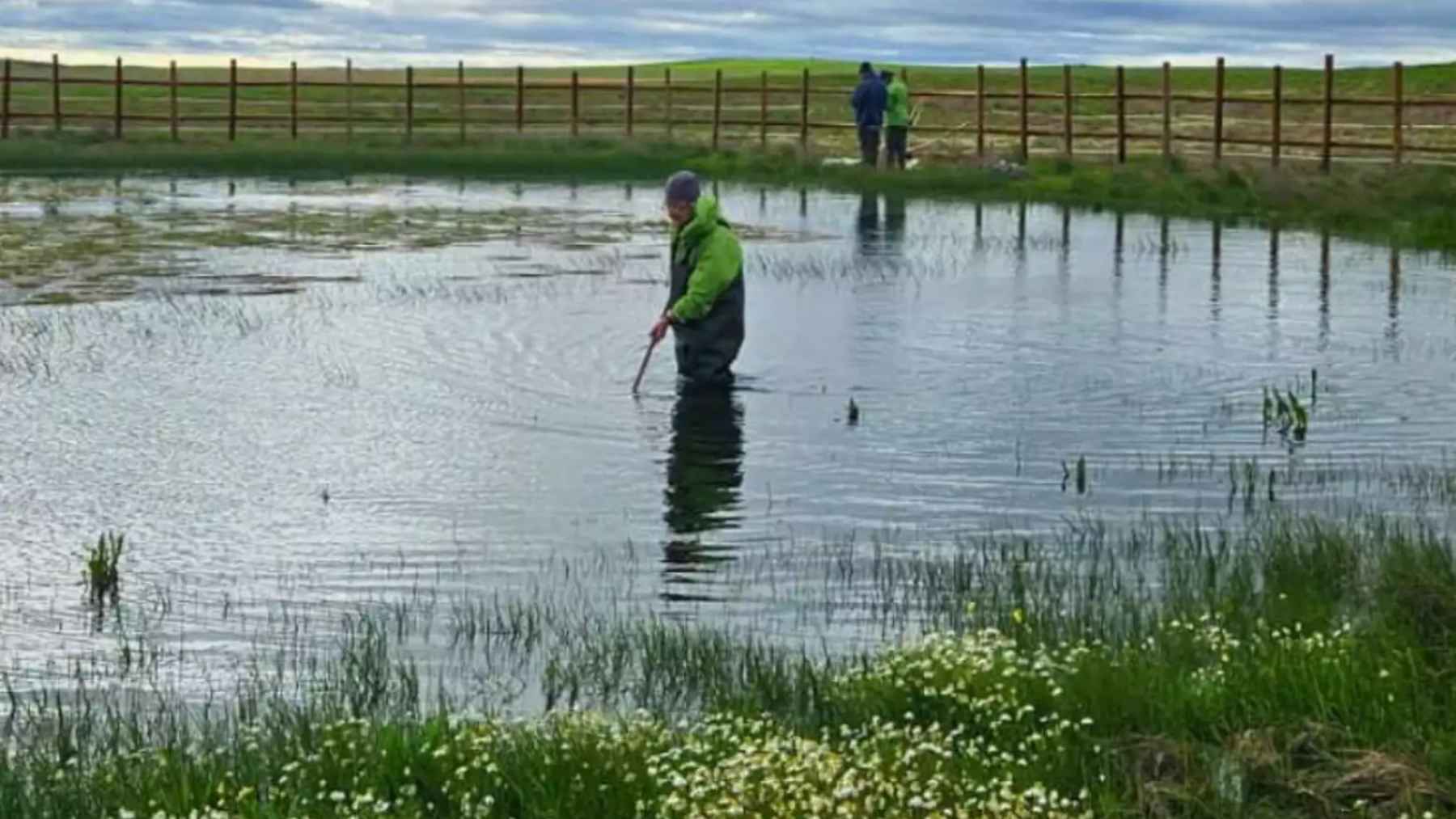
After weeks of heavy rain, the open plains around São Marcos da Ataboeira in the municipality of Castro Verde are dotted with shallow pools that look like ordinary farm puddles. They are anything but. In these small basins in Portugal’s Alentejo region, biologists have watched Mediterranean temporary ponds “wake up” and bring back to life tadpole shrimp whose lineage stretches more than 100 million years into the past.
These tiny wetlands are officially classed as a priority habitat in Europe, and new field data suggest that around half of them may already have vanished in parts of southwestern Portugal.
Tiny water mirrors that appear and vanish with the seasons
Mediterranean temporary ponds are shallow depressions connected to very near surface groundwater. Sunlight reaches the bottom, plants can grow across almost the entire pool, and there are no waves or deep, stratified layers like in lakes or reservoirs. They flood in the rainy months and then dry out completely in summer. That flip between soaked mud and baked clay is not an accident, it is the engine that drives this whole ecosystem.
Over time, many plants and animals here have evolved a double life. For a few months they live submerged in cool, clear water. The rest of the year they survive inside seeds, spores, or hardened eggs buried in the sediment, waiting for the next big storm. Scientists describe these ponds as local biodiversity hotspots because a surprising number of rare or highly specialized species show up only in these small, seasonal pools and not in larger permanent lakes or dams.
Living fossils in a farm “puddle”
Among the most striking residents now recorded again at São Marcos da Ataboeira is the tadpole shrimp, known locally as “camarão girino.” At first glance it looks a bit like a tiny horseshoe crab with a shield shaped back and a long tail. Genetically and anatomically it has changed very little for well over 100 million years and some studies trace the group back more than 200 million years, which is why biologists call it a living fossil.
These shrimp spend their short active lives on the pond floor, stirring up sediments, breaking down organic matter, and snapping up smaller invertebrates. Their eggs, called cysts, are extremely tough. They can stay buried in dry mud for years, even decades, until the right mix of water depth and temperature returns. When the rain finally comes, the cysts hatch in a rush, the shrimp grow, reproduce, and lay a new batch of eggs before the water disappears again. It is a tightly timed race against evaporation, but it also means these animals act as natural pest controllers and sensitive bioindicators of water quality.
Why tiny ponds matter for climate resilience
For conservationists at Liga para a Proteção da Natureza (LPN), these ponds are far more than curiosities in the countryside. They help hold winter rain on the land instead of letting it rush away. European guidance on habitat management notes that, depending on local geology, Mediterranean temporary ponds can even contribute to aquifer recharge and support surrounding vegetation during dry spells.
Their plant communities are packed with annuals and amphibious species that produce large banks of long lived seeds. That hidden store of life supports amphibians, insects, bats, and birds that depend on seasonal water. In practical terms, that means healthier soils, more natural control of mosquitoes and farm pests, and slightly cooler, more humid pockets of air in landscapes that are heating up fast. For farmers looking at increasingly erratic rainfall and rising irrigation costs on their electric bills, those services are not abstract, they are part of everyday resilience.
The European Union has recognized this value by listing Mediterranean temporary ponds as habitat 3170 in its Habitats Directive and by including them in the Natura 2000 network across hundreds of protected sites. Yet legal status on paper does not automatically keep water in the ground or ponds on the map,
A disappearing habitat from Portugal to Italy
LPN has monitored the ponds at São Marcos da Ataboeira since 2013, documenting key species and testing management actions with local landowners. Based on their data, the organization estimates that temporary ponds in the southwest of Portugal have declined by roughly 50 percent in recent decades, often through drainage, infilling, or slow degradation as invasive plants replace native vegetation. Many of these ponds are tiny, from about fifty square meters up to just over seven hectares, which makes them easy to overlook and easy to damage with a single poorly planned track or field operation.
The pattern is not unique to Portugal. Remote sensing work in Doñana National Park found that about 59 percent of its pond network had effectively lost its flooding regime between the mid nineteen eighties and twenty eighteen, largely due to groundwater pumping for intensive agriculture and tourism. A recent study in southern Italy examined sixteen Mediterranean temporary ponds and concluded that more than half were in inadequate or bad conservation status even under European protection frameworks.
To a large extent, the same pressures show up again and again. Fields are leveled to make machinery easier to use, roads and energy projects fragment the landscape, and climate change shortens the flooding season that these species rely on. Scientists now refer to Mediterranean temporary ponds as a neglected and disappearing habitat.
Local alliances to protect “puddles”
On the ground in Alentejo, the response is surprisingly practical. LPN and partners from projects such as LIFE Charcos work with farmers to mark pond depressions on their property maps, avoid deep plowing or drainage in those spots, and reduce pesticide and fertilizer use nearby so that water stays clear and nutrient levels remain low.
For local communities, these ponds can become outdoor classrooms where children watch tadpoles, shrimp, and wildflowers instead of just driving past what looks like a muddy hole. For regional planners, they are small but crucial pieces in a wider network of wetlands that help buffer droughts and store biodiversity in a warming, drying climate. At the end of the day, saving a habitat like this often starts with a simple shift in perception, treating a seasonal pond as a natural asset rather than wasted land.
As tadpole shrimp and amphibians briefly reclaim the ponds of São Marcos da Ataboeira, they offer both a reminder of deep evolutionary time and a warning about how quickly fragile habitats can disappear from modern landscapes.
The study was published on Diversity.