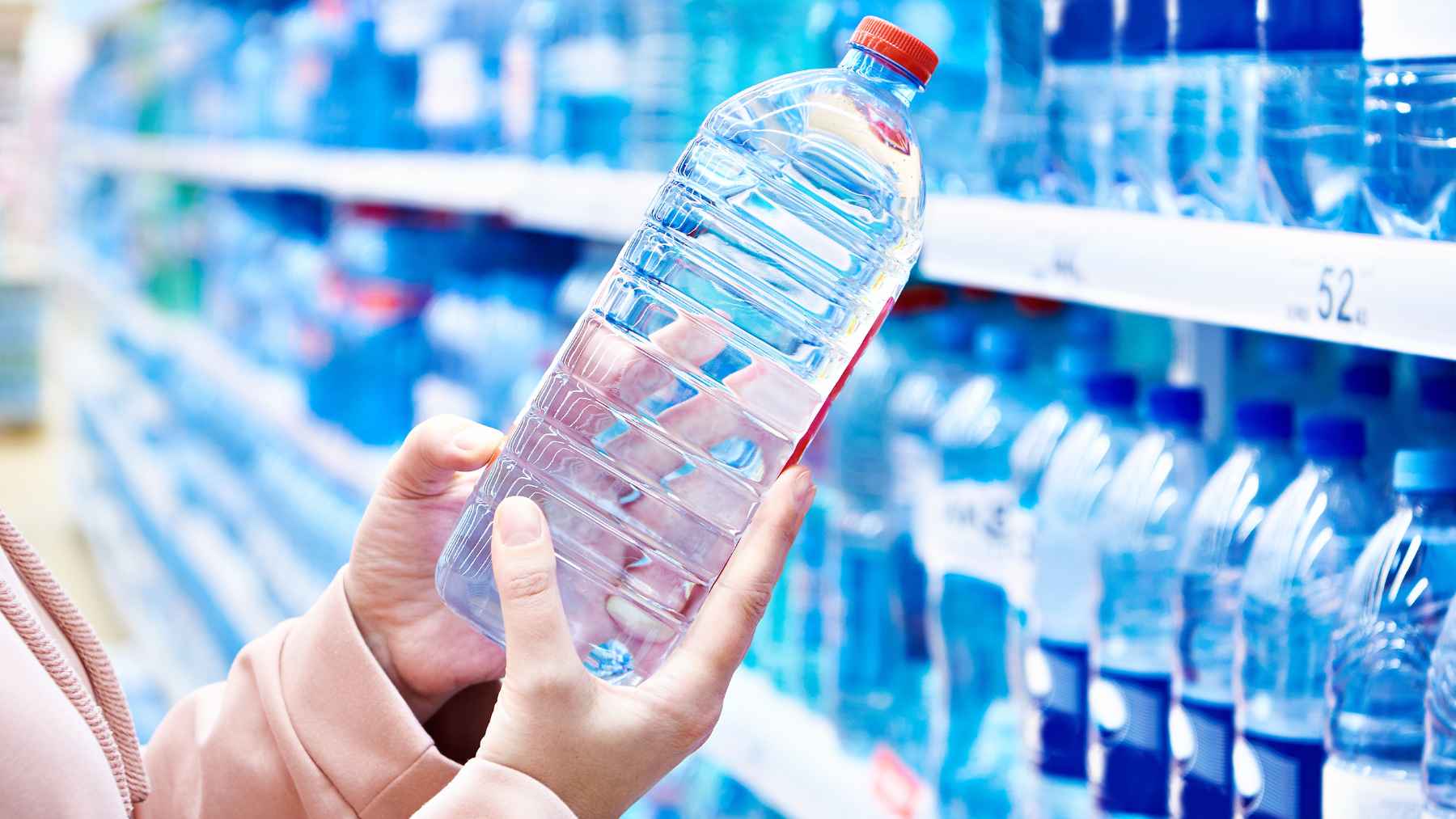
Every time you twist open a plastic water bottle, you are not just reaching for a quick sip. You are also likely swallowing tiny fragments of the bottle itself.
A new scientific review in the Journal of Hazardous Materials pulls together more than one hundred forty studies and finds that people who rely heavily on bottled water may ingest tens of thousands more plastic particles each year than those who drink tap water, with possible long term effects on the lungs, hormones, brain and cancer risk.
How much plastic are we really drinking
Microplastics are tiny plastic particles between about one micrometer and five millimeters in size. Nanoplastics are even smaller, under one micrometer and often far below that, which makes them easier to slip into body tissues.
By the researchers’ own estimates, the average person already takes in roughly 39,000 to 52,000 plastic particles a year from food, water and air.
For people who get all their recommended water intake solely from single-use plastic bottles, the intake may jump by about 90,000 additional microplastic particles each year, while those who drink only tap water are estimated to ingest around 4,000.
Across the studies that the team reviewed, the amount of microplastics in bottled water varies widely. Some brands contained only a few particles per liter. Others reached more than 6,600 particles per liter, and separate measurements show that nanoplastic counts can be far higher again.
Part of the problem is that laboratories use different sampling and counting methods, so results are hard to compare directly.
The bottle itself is a major source
Where do these particles come from if the water starts out clean. Much of the contamination traces back to the packaging. The review highlights polyethylene terephthalate bottlenecks and high density polyethylene caps as key sources, especially when bottles are opened and closed many times.
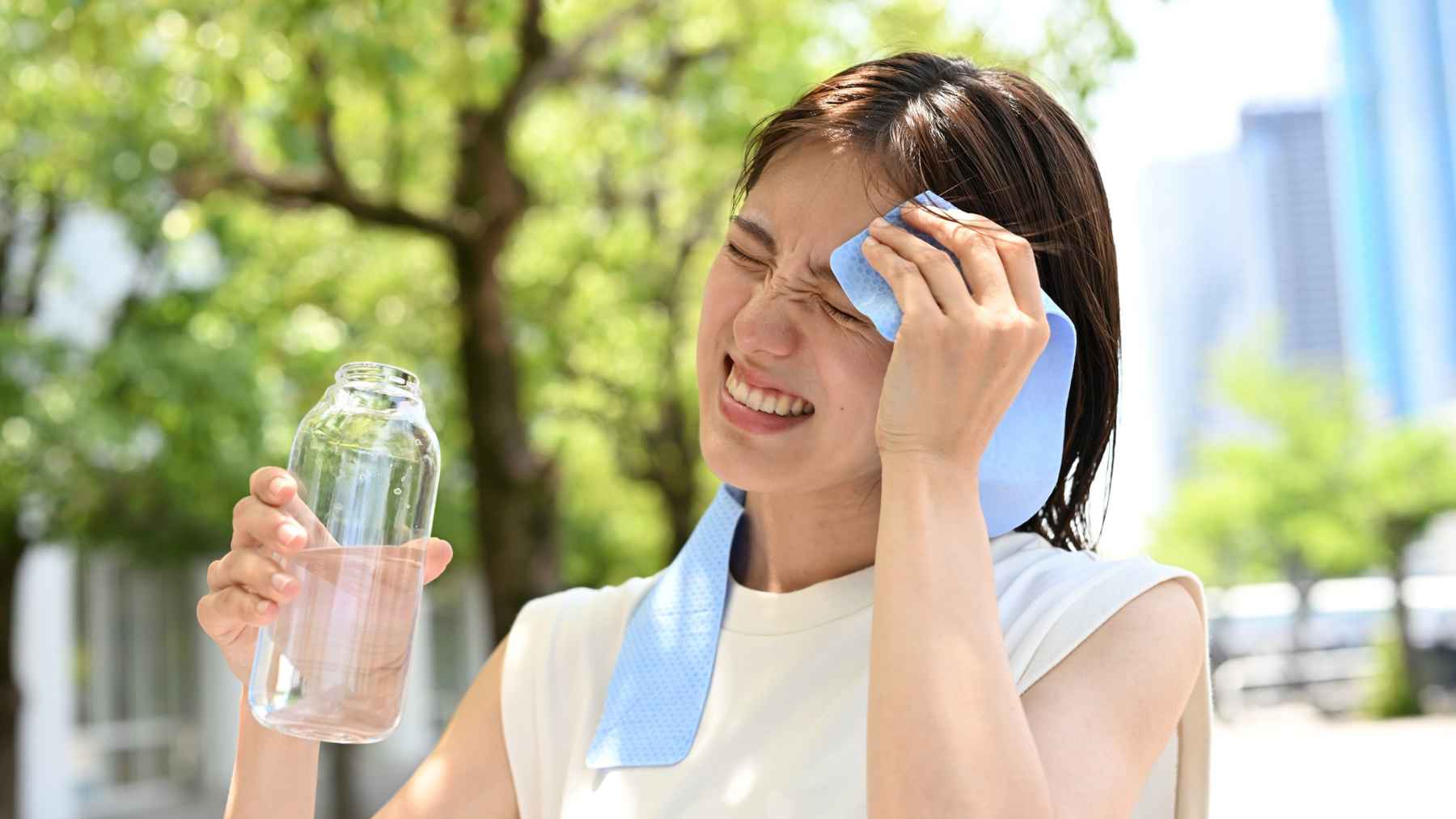
Everyday habits such as twisting the cap repeatedly, squeezing the bottle to get the last drops or refilling a thin single-use bottle can create tiny abrasions that shed plastic into the water. Studies also show that sunlight and heat accelerate this process, which means a bottle rolling around in a hot car or left on a sunny windowsill can release more microplastics into every sip.
What those particles do in the body
Once swallowed, size matters. Larger microplastics appear to pass through the gut mostly unchanged. Smaller particles below about 1.5 micrometers can cross the intestinal wall and enter the bloodstream. The review notes that nanoplastics around 100 nanometers can reach many organs and, in lab models, even cross the blood-brain and placental barriers to a limited extent.
In animal and cell studies, nano and microplastics have been linked to chronic inflammation, oxidative stress, disruption of gut bacteria, hormone imbalance, reproductive problems, metabolic changes and possible increases in cancer risk.
These experiments often use polystyrene particles at controlled doses rather than real fragments shaved off bottles, so scientists are careful to say that health risks in humans are still being quantified. To a large extent, though, the pattern across many studies points toward long-term rather than immediate harm, especially with constant low-level exposure.
As lead author Sarah Sajedi put it in a university interview, “Drinking water from plastic bottles is fine in an emergency but it is not something that should be used in daily life.” She stresses that the issue is chronic toxicity, not a single poisonous drink.
Testing troubles and regulatory gaps
Why is it so hard to get clear numbers? The review shows that laboratories use a toolbox of very different methods, from simple fluorescent dyes viewed under a microscope to infrared and Raman spectroscopy, electron microscopes and advanced techniques such as stimulated Raman scattering or high-resolution mass spectrometry.
Some approaches see extremely small particles but cannot tell which polymer they come from. Others identify the plastic type but miss the tiniest fragments. The most powerful tools are often costly and not widely available. The result is a patchwork of data that makes it tough for regulators to set safe limits.
Meanwhile, the bottled water industry keeps growing. United Nations researchers estimate that the world generated around 600 billion plastic bottles and containers in 2021, producing roughly 25 million tons of plastic waste, most of which was not recycled.
Yet most national rules focus on plastic bags, straws and packaging. Few specifically address single-use plastic water bottles or the nano and microplastics they release.
What you can do today
At the end of the day, safe water always comes first. In places where tap water is unreliable, bottled water can be life saving and there is no simple substitute yet. For everyone with access to safe municipal water, though, this review is a strong nudge toward everyday changes.
Choosing tap water, possibly with a home filter, filling a stainless steel or glass bottle, avoiding long term reuse of flimsy plastic bottles and keeping any plastic bottle out of hot cars and direct sun can all reduce avoidable exposure.
Taken together, the findings suggest that the real cost of that cheap bottle of water is partly hidden inside our own bodies and spread across many years.
The study was published in the Journal of Hazardous Materials.