California is tightening the rules on its roads, and this time the ripple effects go far beyond traffic tickets or a long morning at the DMV. Nearly 20,000 immigrant truck drivers are caught in a licensing mess that could sideline them from one day to the next, while the same regulator is calling out Tesla for misleading marketing of its self-driving features.
At first glance, it looks like pure bureaucracy. Look closer and you see something else. The state that wants cleaner air, safer highways and more electric vehicles is also putting the very people who move food, packages and solar panels at risk of losing their livelihoods.
Licenses on the line for thousands of truckers
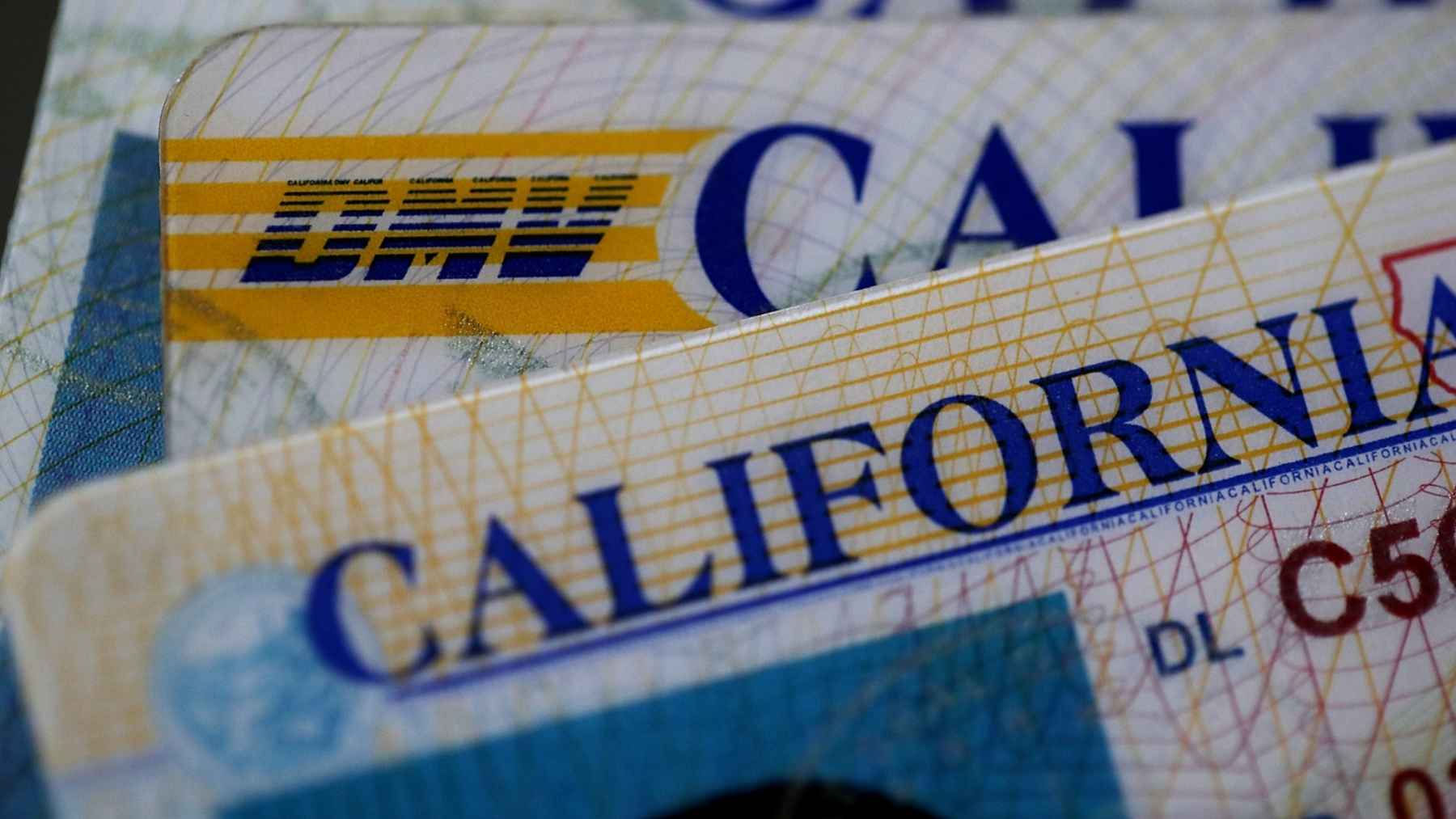
The immediate crisis started after a federal audit found that California had issued non‑domiciled commercial driver’s licenses to immigrants with expiration dates that went beyond the period of their legal stay.
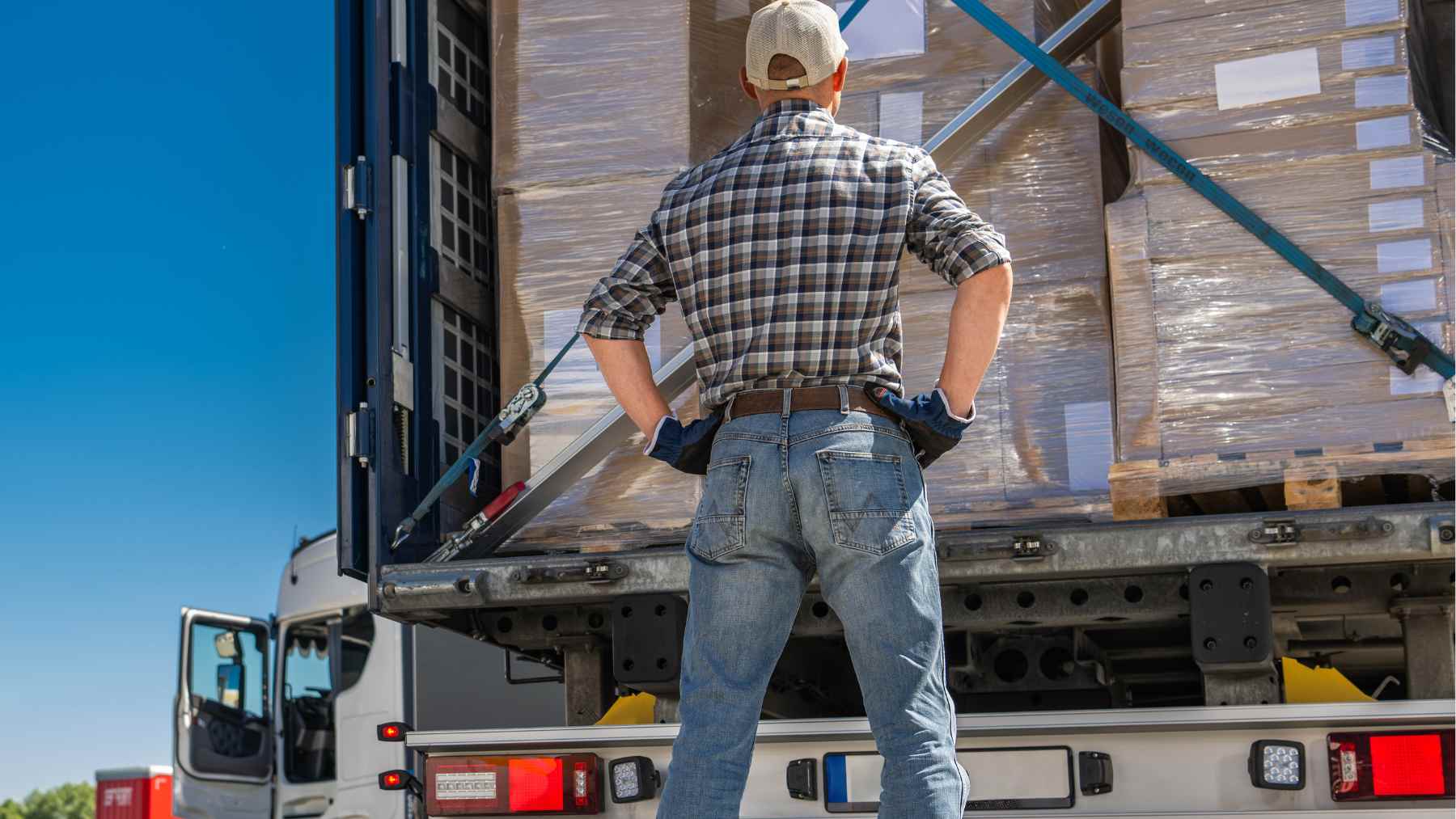
In early November 2025, the California Department of Motor Vehicles sent cancellation notices to 17,299 commercial drivers, with another 2,700 letters following later.
The agency signaled that nearly twenty thousand licenses would be pulled in January and February 2026, largely because of mismatched dates between work permits and license cards, even though drivers had relied on documents the DMV itself had issued.
Advocacy groups including the Sikh Coalition and the Asian Law Caucus filed a class action in Alameda County, arguing that drivers were being punished for clerical errors they did not create. The lawsuit notes that once a commercial license disappears, so do truckers’ paychecks, health insurance and often their ability to cover rent or truck loans.
Under pressure from the case and mounting public scrutiny, the DMV granted a 60-day extension to around 17,000 affected drivers whose licenses were set to end on January 5.
The federal government has at the same time threatened to withhold up to $160 million in transportation funding if California does not bring its license records into line with federal rules, a reminder that these fights play out on more than one political stage.
For many of the families involved, this is not an abstract legal argument. It is the question of whether there is fuel money next week.
Pollution, climate targets and who keeps freight moving
California’s heavy trucks run on diesel for the most part, and they are a big piece of the pollution puzzle. Medium- and heavy-duty trucks make up only about 6% of the vehicles on California’s roads, yet they account for roughly a quarter of the state’s on-road greenhouse gas emissions and about 35% of transportation-related nitrogen oxide pollution.
Those emissions fall hardest on low-income communities that live near ports, warehouses and freeway corridors, where exhaust fumes and that sticky summer smog are part of daily life. Cutting truck pollution is central to California’s plan to reach carbon neutrality by 2045 and to clean up the air in these neighborhoods.
At the same time, immigrant drivers are now essential to the freight system. Estimates based on reporting from the Los Angeles Times suggest there are around 750,000 Sikhs in the United States and roughly 150,000 work in trucking, many of them in and around California.
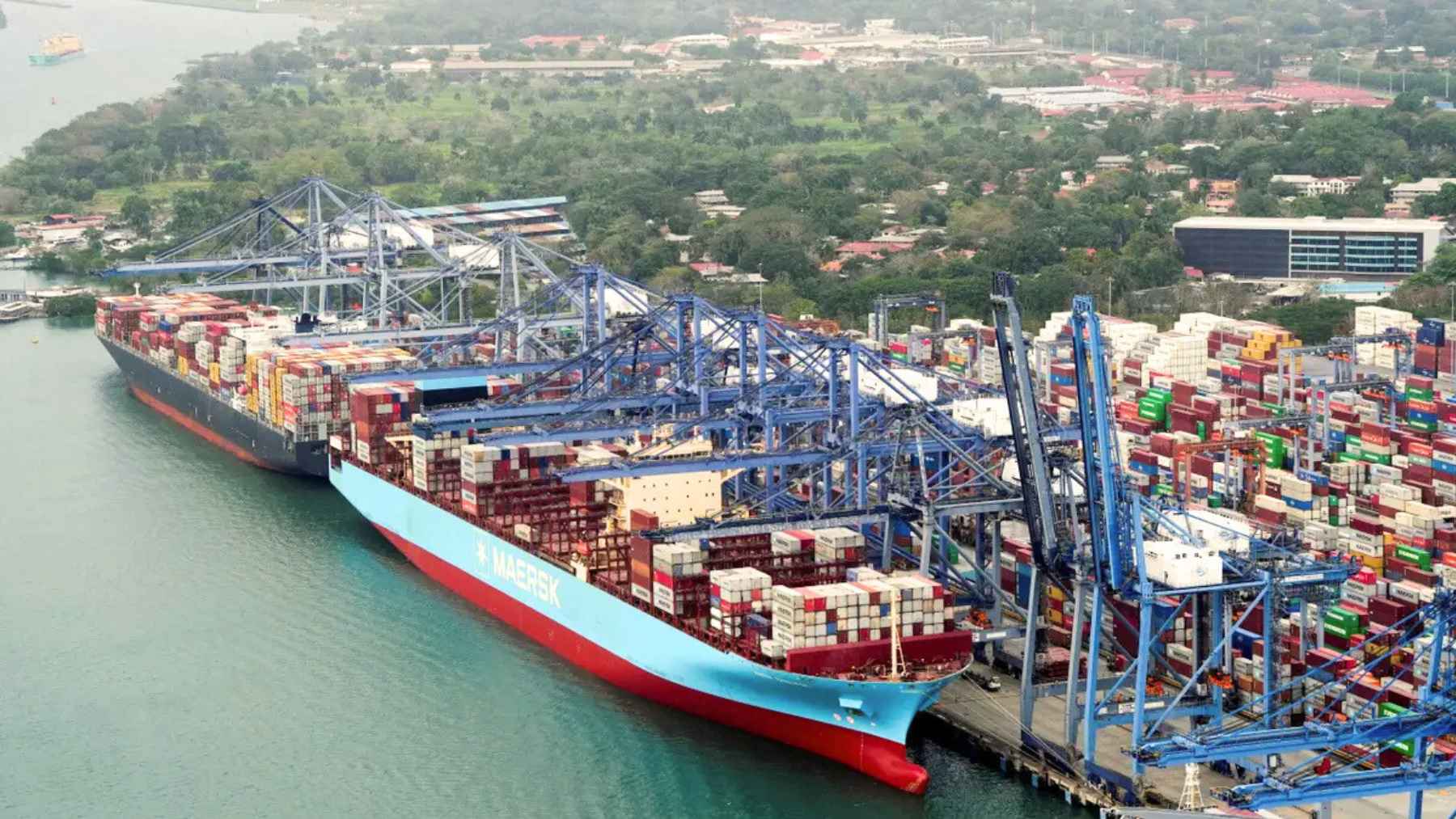
So what happens to a clean transportation plan when thousands of those drivers suddenly cannot work because a date field on a license was wrong. Court filings themselves warn that the sudden loss of nearly 20,000 commercial licenses could disrupt supply chains that deliver groceries, manufactured goods and even school bus services.
In other words, the same communities that breathe freeway pollution could now feel shortages or higher prices if freight slows down, while the workers behind the wheel watch their decarbonized future evaporate over a paperwork glitch.
From mini‑moons to Autopilot: the DMV’s other fight
While immigrant truckers fight to keep their licenses, the DMV is also taking aim at the language used by one of the most visible players in electric mobility. In December 2025, the agency formally found that Tesla violated state law by using the names “Autopilot” and “Full Self Driving Capability” in ways that could mislead drivers about what its cars can actually do.
An administrative judge concluded that a reasonable person could think a vehicle with “Full Self Driving Capability” can safely operate without constant driver attention, something California law does not allow and current technology does not reliably deliver.
The DMV adopted that decision and warned it could suspend Tesla’s license to sell vehicles in the state for 30 days if the company does not change its marketing within a set compliance window.
For everyday drivers stuck in traffic, this might feel like a distant spat between regulators and a billionaire-led company. Yet it speaks to a basic issue.
If people are going to trust electric cars, advanced driver assistance and robotaxis, they need clear information about what is safe to expect when they tap a screen or let go of the wheel for a moment on the freeway.
The fine print of a greener road
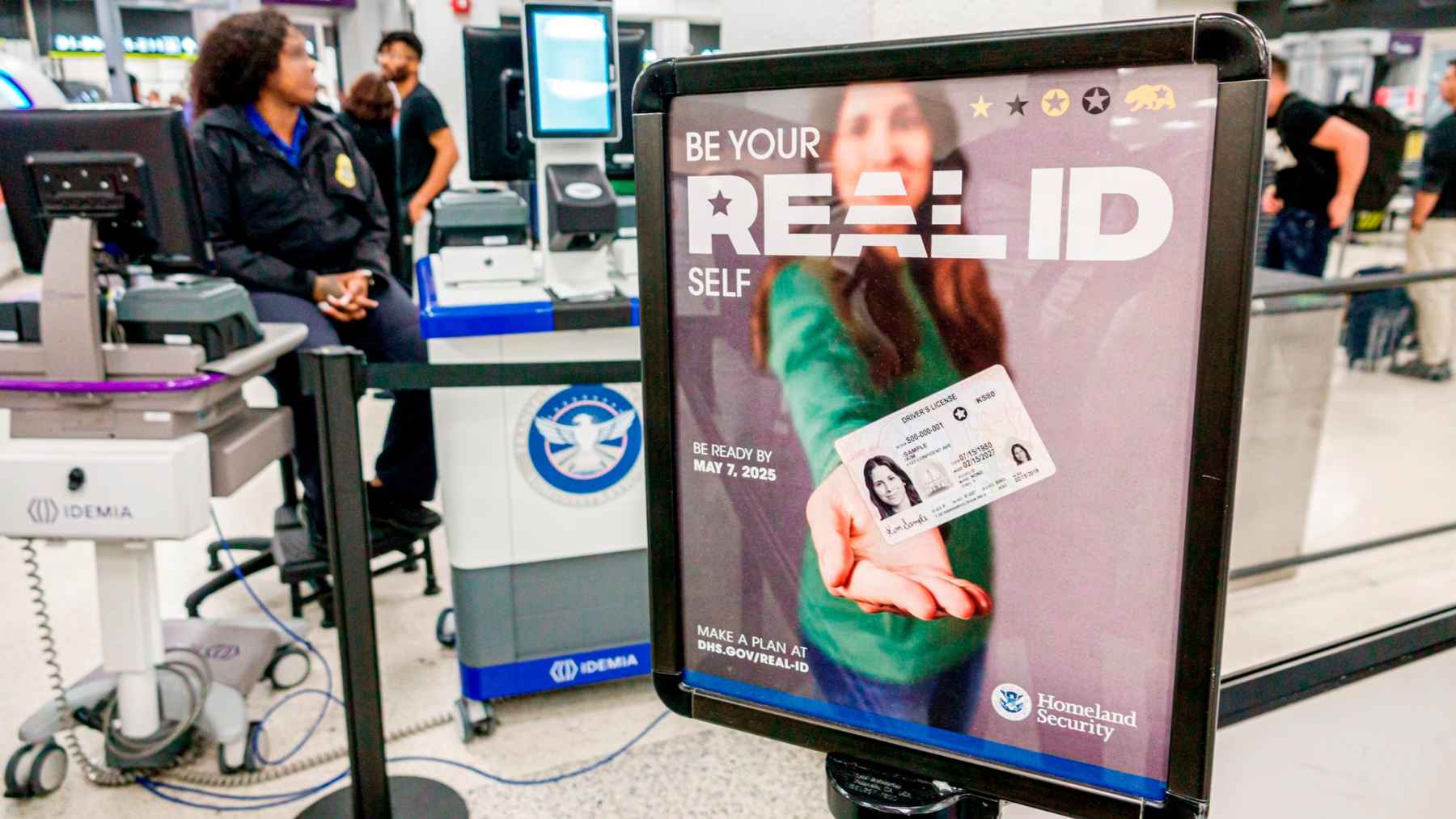
All of this is happening in a country where something as small as a star on a driver’s license now determines who can board a domestic flight or enter some federal buildings.
Since May 2025, travelers aged eighteen and over have needed a Real ID compliant card or another approved document to pass through standard airport checkpoints, with those who are not compliant facing extra screening or the risk of being turned away.
That same focus on security and documentation is now reshaping who is allowed to drive the trucks that keep supermarkets stocked and construction sites supplied, and how electric vehicles are described to potential buyers.
The climate story sits there in the background. California needs cleaner trucks and safer automation if it wants to hit its air quality targets. It also needs a stable workforce that trusts the rules of the game.
Experts in environmental justice often remind us that climate policy is not only about technology. It is also about who bears the cost of change.
In this case, immigrant truckers and EV drivers are on the front line of a regulatory push that aims to protect the public yet can, if handled badly, pull the rug out from under those who make the system work.
For now, the courts and agencies will decide how far California can go in fixing past mistakes without wrecking real lives.
The press release was published by the Sikh Coalition.