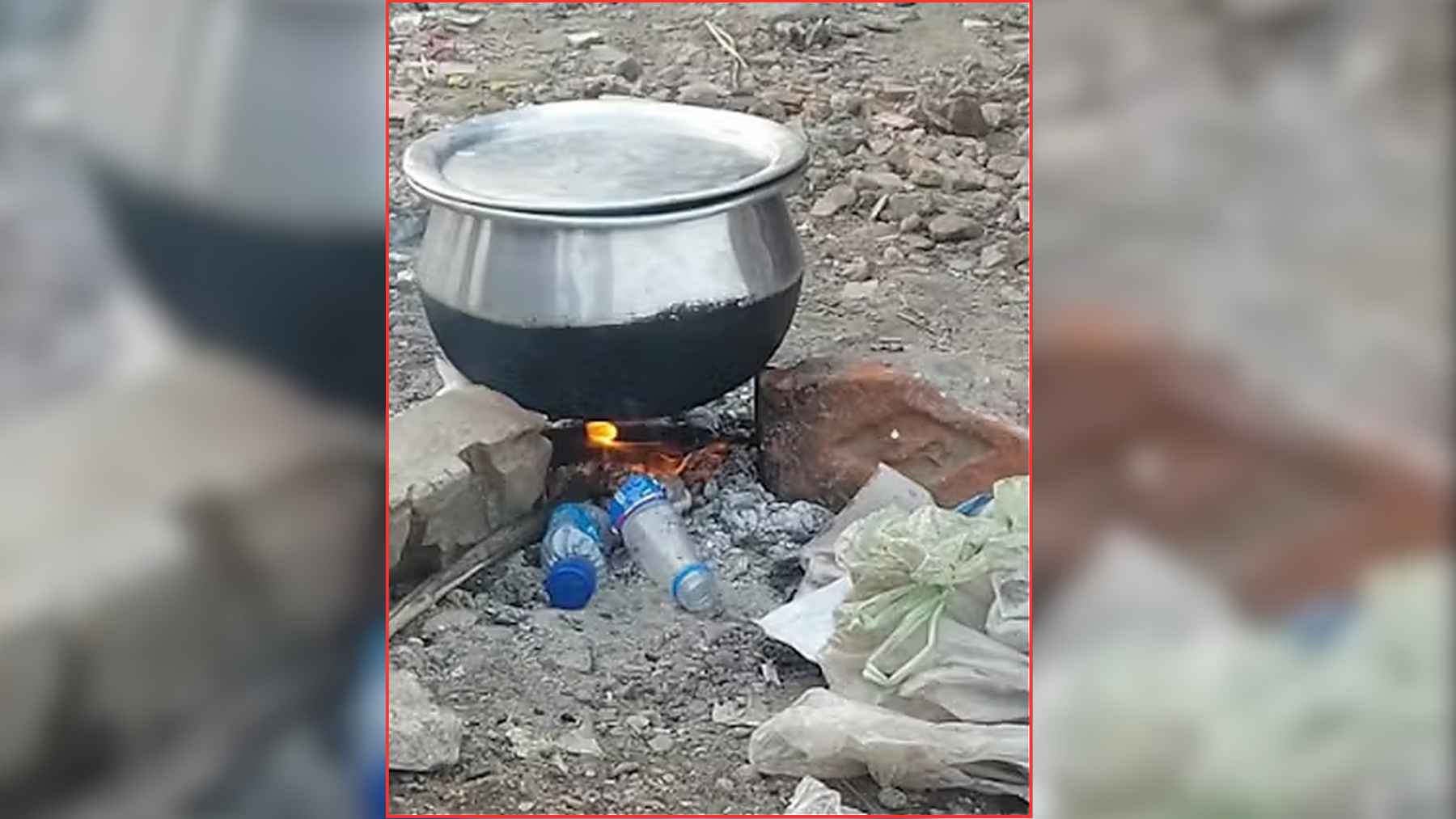
Most of us only smell burning plastic when a trash bag hits a hot stove by accident. For millions of families in cities across Africa, Asia, and Latin America, that sharp smell is part of daily life. It comes from cooking fires and makeshift heaters, not from a one-off mishap.
A new global study led by Dr Bishal Bharadwaj at the Curtin Institute for Energy Transition looked at 1,018 key informants who work in low-income urban communities in 26 countries in the Global South.
Published in Nature Communications, it finds that burning plastic for cooking, heating, and basic waste disposal is widespread, mostly hidden, and tightly linked to energy poverty and broken waste systems. Dr Bharadwaj says the problem has been “happening out of sight in communities” and that the survey “provides new insight into what is going on.”
Why families burn plastic and how common it is
In many of the surveyed cities, clean fuels such as electricity or liquefied petroleum gas remain far too expensive for people living on the lowest incomes. Households that cannot pay for those options fall back on firewood, charcoal, crop residues, or animal dung, yet these traditional fuels are becoming scarce as populations grow and forests retreat. When money is short and fuel is hard to find, what else is left to burn.
Plastic waste, by contrast, is everywhere in neighborhoods that lack reliable trash collection. Single-use bags, food wrappers, drink bottles and detergent containers pile up in alleys and ditches, so burning plastic seems to solve two problems at once: it clears space and provides heat. One in three survey respondents said they knew of households burning plastic, and many described the practice as common or very common in their city.
Toxic smoke, poisoned food, and who is most at risk
The study shows that not only thin bags and wrappers end up in these stoves but also tougher items like drink bottles and chemical containers. Among the most worrying materials is polyvinyl chloride, or PVC, a plastic used in pipes and some packaging that can release highly toxic dioxins and furans when it burns.
Professor Hari Vuthaluru from Curtin University warns that these compounds persist in the environment, move through food chains, and are linked to cancer and serious harm to the immune and reproductive systems.
Co-author Dr Pramesh Dhungana notes that smoke particles can settle on crops, soil, and water, so toxins may later show up in eggs, vegetables, or tofu that look harmless. Earlier field work has already found dangerous chemicals in chicken eggs near plastic burn sites, and tests in Indonesia revealed tofu cooked over burning plastic carrying worrying levels of contamination.
One Indonesian commenter summed up the frustration by saying people had been left to “eat toxic tofu and consume trash from the West” while leaders failed to act.
Survey respondents overwhelmingly agreed that burning plastic is likely to create serious air pollution and fire hazards, both inside homes and across whole neighborhoods. Women, children, older residents, and people with disabilities are often most exposed because they spend more time near the stove, whether that stove sits in a cramped kitchen, a crowded yard, or a tent.
United Nations spokesperson Stephane Dujarric recently described the same pattern in the Gaza Strip, where fuel shortages have pushed families to burn plastic waste in improvised shelters for cooking and warmth, often with almost no ventilation.
What needs to change so families can stop burning plastic
Professor Peta Ashworth, who directs the Curtin Institute for Energy Transition, stresses that families burn plastic because they lack real alternatives, not because they are careless. When respondents were asked to rank possible solutions, they put better waste collection in informal settlements, cheaper access to clean cooking technology, and clear information about health impacts near the top of the list.
Ashworth says “people only do this because they have no safer alternatives” and calls for rapid action as global plastic use is expected to rise sharply in coming decades.
The study argues that if households can afford cleaner stoves and someone reliably collects the trash, there is far less reason to burn plastic and fewer bags left to smolder in courtyards and street corners. For now, many low-income families are still choosing between hot food, warmth, and their own long-term health.
The main study has been published in Nature Communications.