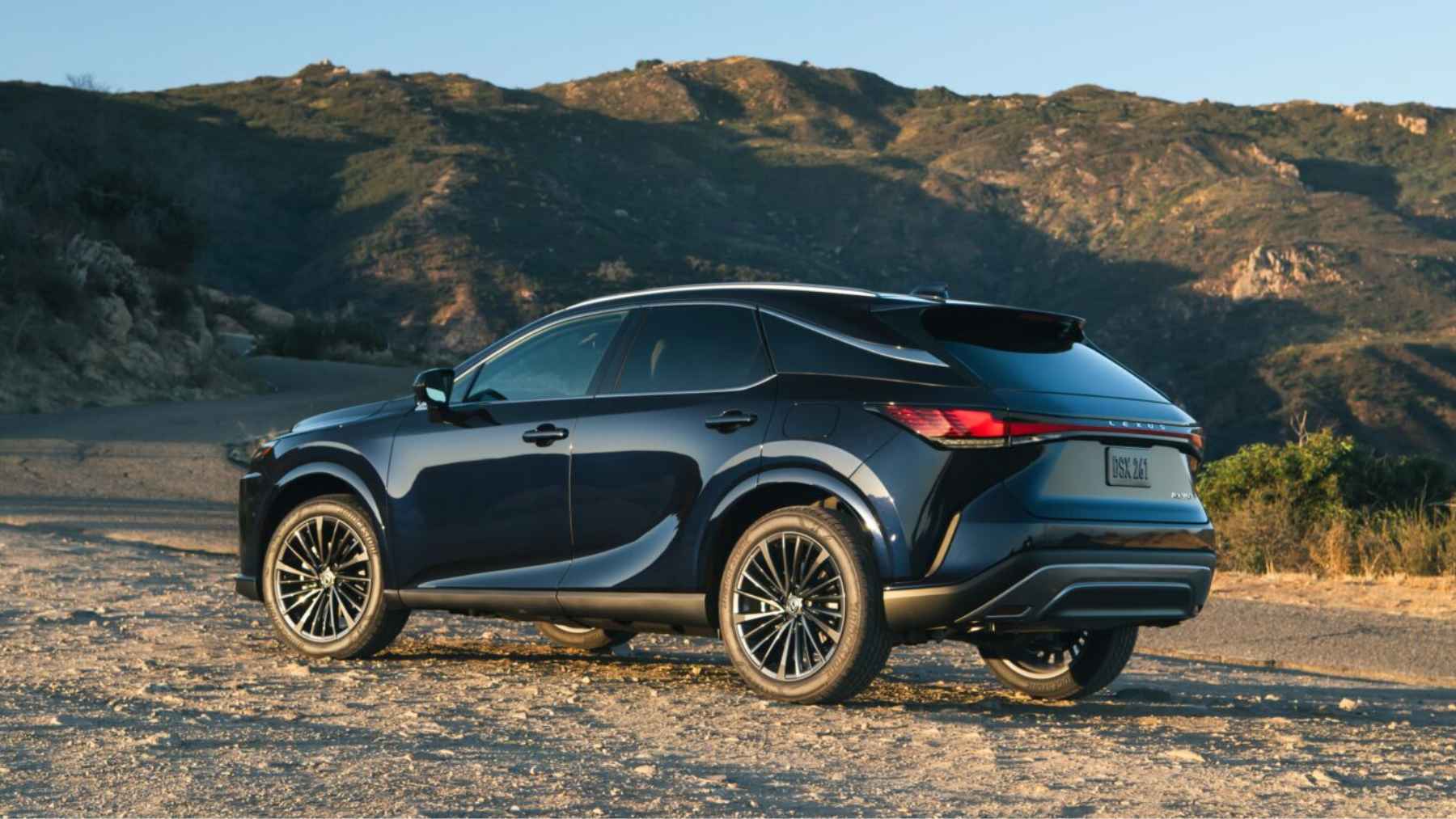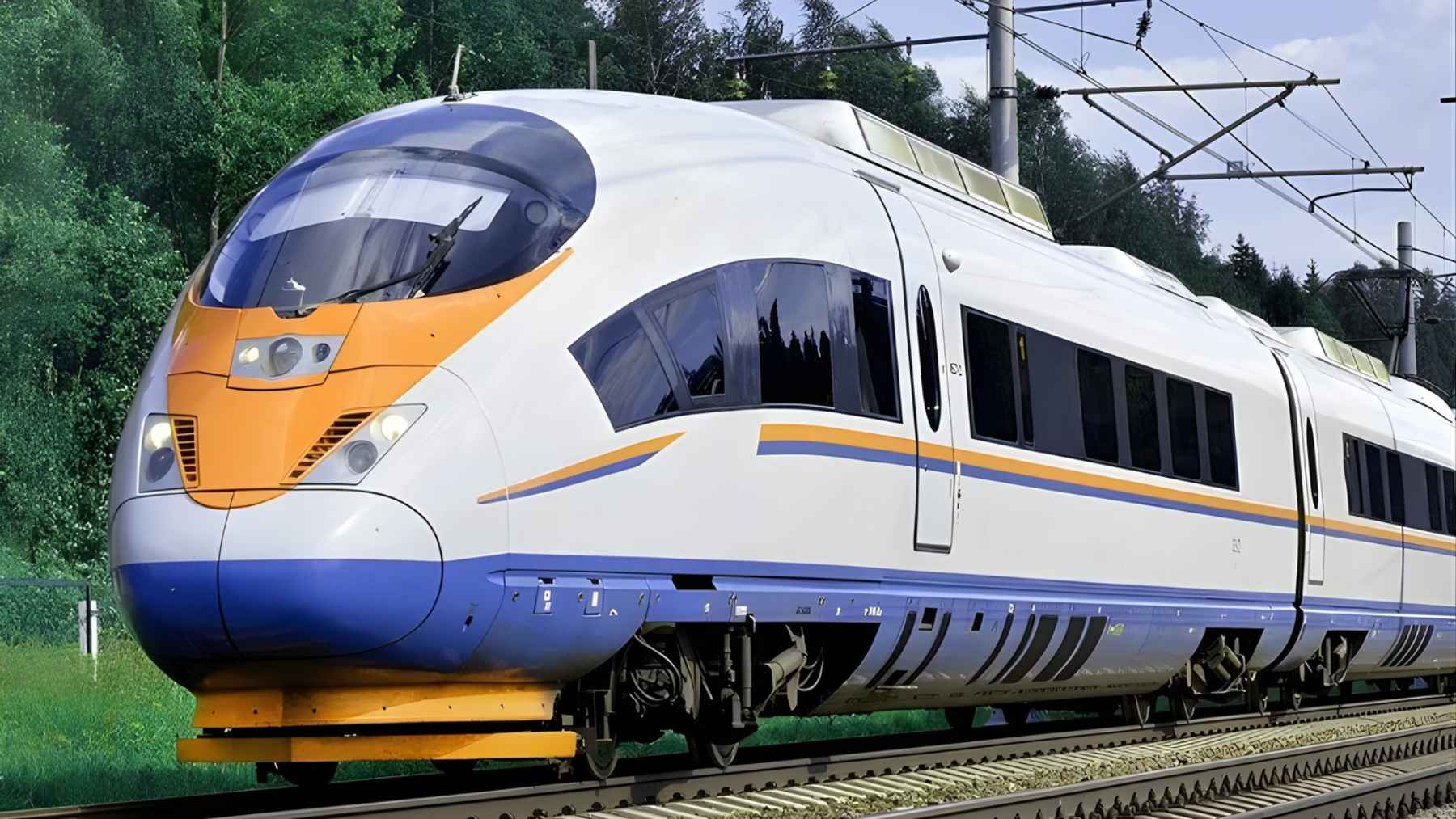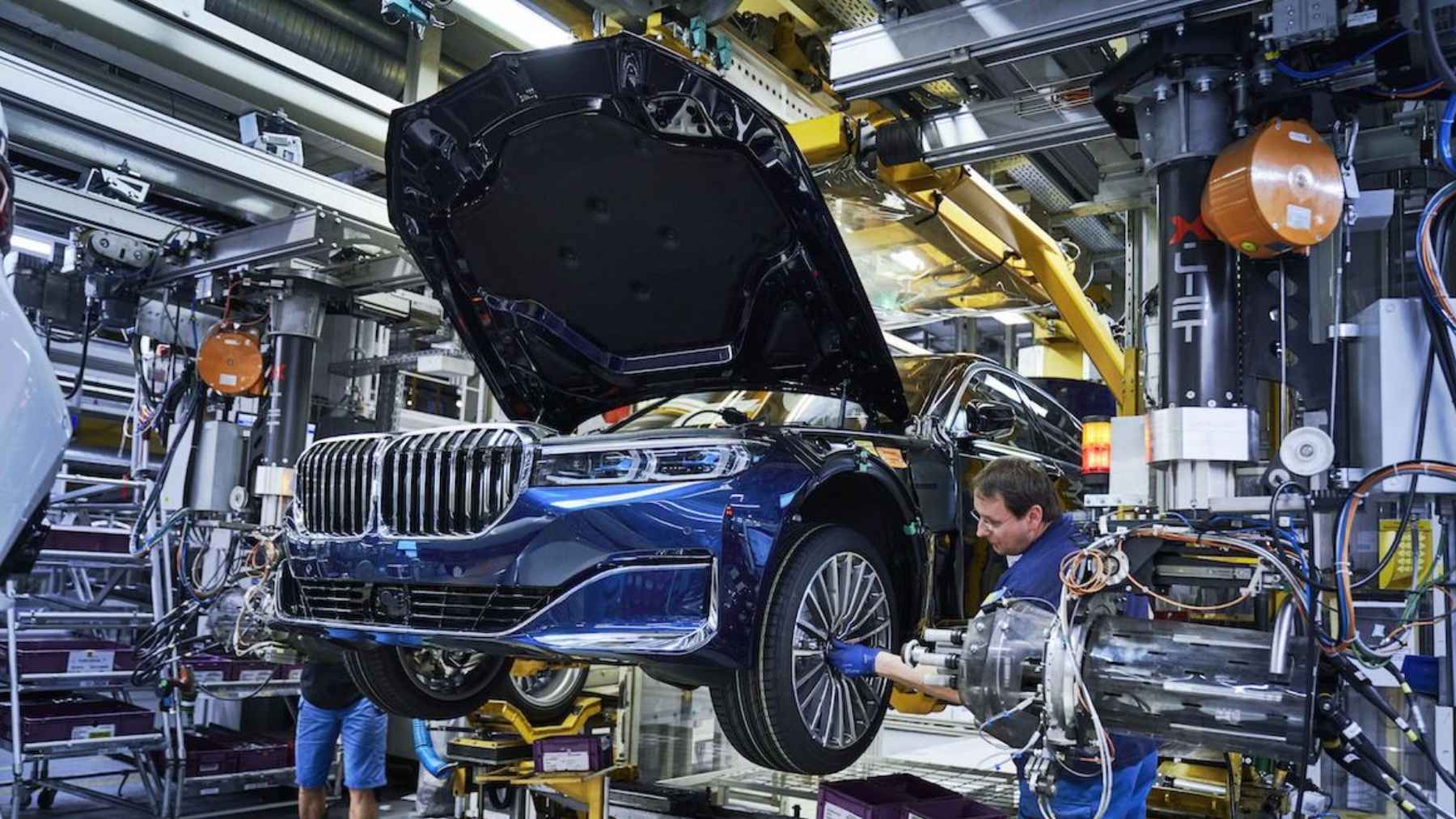
As the world pushes towards more sustainable solutions amidst the climate crisis, the automobile industry has been pushing for innovation. The electrical engine has been taking the world by a storm specifically, being the most popular alternative engine solution on the road. Toyota in particular has been crucial in developing alternative engine solutions. However, despite being a pioneer in hydrogen technology, the Japanese automobile brand has faced some criticism for their hydrogen vehicles.
Hydrogen: A complement to electric vehicles
With the alternative engine revolution upon us, electric vehicles have become almost synonymous with in the automobile world with regards to renewable energy solutions. Thanks to innovation from companies such as Tesla, consumers have embraced hybrid technology, driving demand for cleaner and more sustainable solutions. To complement this, hydrogen technology is becoming a popular addition to diversify alternative engine solutions.
Hydrogen technology in automobiles works using fuel cell technology. Hydrogen gas is converted into electricity to power the vehicle’s engine. The conversion takes place in a fuel cell where hydrogen is supplied to the anode side, and oxygen (from the air) is supplied to the cathode. The electricity generation process releases no byproducts expect for water. This has made them a fast up and coming complement to electrical and plug-in hybrid engines as companies strive to be more eco-coconscious.
Toyota faces criticism for hydrogen
Toyota has been a leading force in developing hydrogen engine solutions in the automobile world. The Mirai is their flagship hydrogen model. The vehicle was released in 2014 and can travel approximately 640km on a fuel tank of hydrogen. In general, the vehicle has been well received by consumers, particularly with regards to Toyota’s commitment to producing alternative engine solutions.
However, the Mirai has also received some criticism. During the Paris 2024 Olympics, Toyota used the event to promote their hydrogen vehicles. However, during the games, over 100 scientists signed an open letter to the company criticizing the company’s use of hydrogen vehicles on the basis that the vehicles are misleading in terms of their environmental benefits and hinder widespread adoption of electric vehicles which are argued to be the best alternative engine solution to the internal combustion engine.
In addition, hydrogen vehicles have significantly more infrastructure challenges than electrical vehicles. One of the biggest challenges automobile companies have with regards to convincing consumers to give up the internal combustion engine is the lack of widespread infrastructure to support these engines. This means that some have criticized Toyota for continuing to invest in hydrogen solutions instead of investing in building up electrical infrastructure and vehicles.
The internal combustion engine remains favored
Despite the growing popularity of alternative engine solutions, the internal combustion engine remains the dominant engine in the road. Additionally, of consumers who are looking at alternative engine solutions, not many are convinced to go fully renewable. The most popular alternative engine on the road remains hybrid solutions. We are still a long way towards convincing consumers to letting go of any form of the internal combustion engine and embracing alternative engine technology.
For this reason, automobile brands are continuing to develop internal combustion engines despite having clear climate goals and targets. While it may seem hypocritical, the reality is that more support is needed from multiple stakeholders in order for consumers to feel like they can give up the internal combustion engine. Infrastructure and affordability remain the biggest barriers, with many of these alternative engine solution vehicles still fetching a high price. The vehicles need to be able to compete with the prices of internal combustion engines as well as have widespread charging infrastructure readily available in both urban and rural areas.