America’s most popular supermarket chain (along with Walmart, of course) has an undoubted presence across the country… or so we thought until now. Just this week the news has come to light that there are 3 US states without Costco, something we wouldn’t have imagined. Find out what they are and you won’t believe the reason, which is already quite controversial.
US states without Costco? The surprising new that has been released
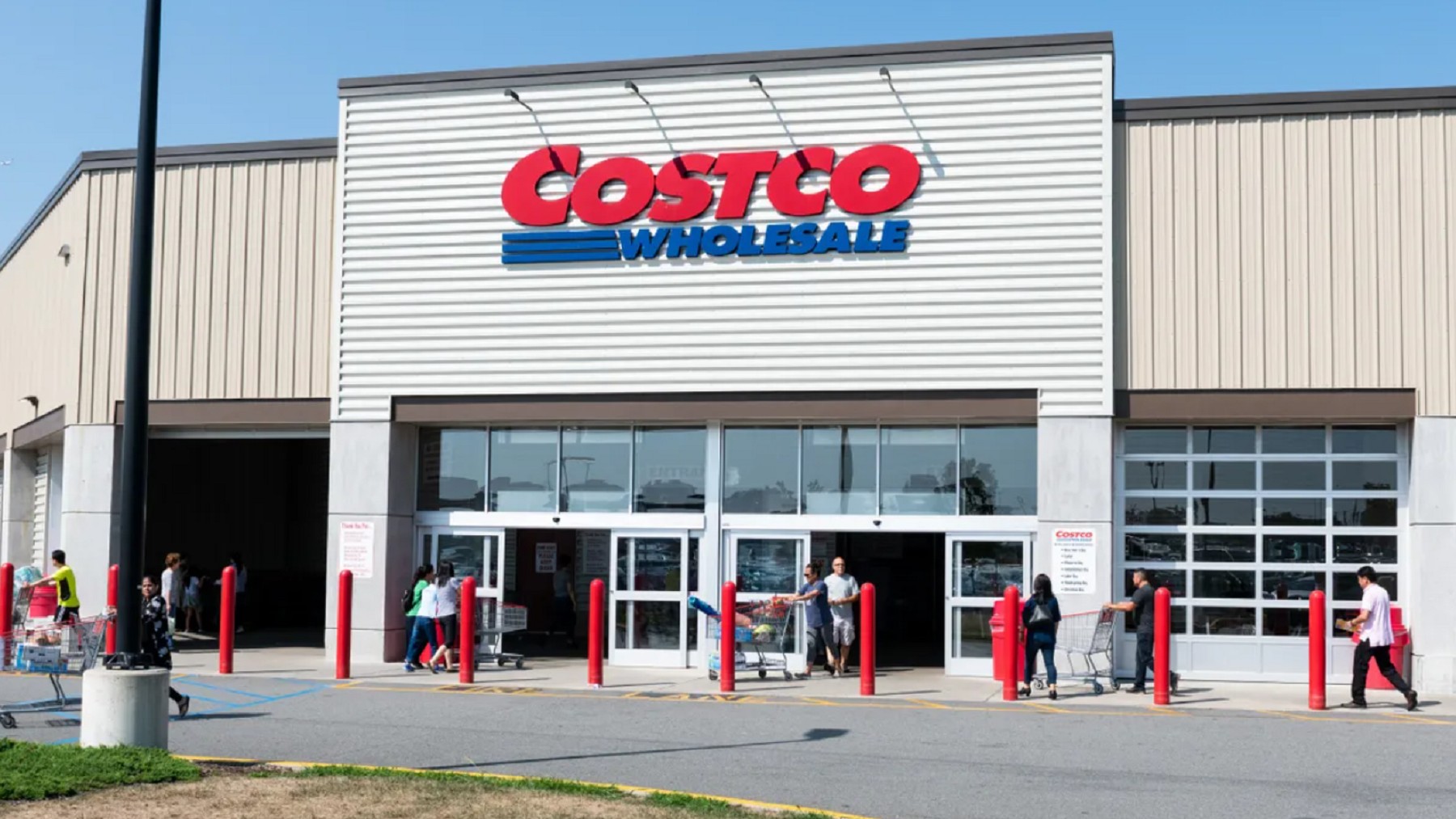
Costco is one of the most popular membership-only warehouse club retailers in the United States. Founded in 1983 in Seattle, Washington, Costco has grown to over 800 locations throughout North America, Asia, Australia, and Europe.
Costco is known for its low prices on bulk goods, exclusive member deals, and beloved food court. It has cultivated a loyal customer base, with membership renewals over 90% annually. Costco’s unique business model has allowed it to become the second largest global retailer behind Walmart.
The company continues to expand, opening new warehouse locations around the world each year. Despite its widespread presence, there are still a few U.S. states without access to the wholesale giant. Do you know who they are? You won´t believe it, but is real.
These are the 3 US states without Costco: you won´t believe it
Costco has warehouses in nearly every U.S. state, with the notable exception of Wyoming, Rhode Island, and West Virginia. Despite having a presence in over 40 states, the membership-only big box retailer has yet to open any locations in these three states.
Wyoming is the least populous state in the U.S., with just over 500,000 residents. The sparse population across Wyoming’s vast rural areas makes it difficult for big box stores to be successful there. Rhode Island, while more densely populated than Wyoming, is the smallest state by land area.
Real estate costs also tend to be higher in New England, which could deter Costco from opening warehouses there. West Virginia has a population of 1.8 million people, but the state’s rough terrain makes transportation and distribution challenging.
The cost of operating there may be prohibitive. Additionally, economic factors in West Virginia related to declines in coal mining and manufacturing have impacted retail growth overall. The lack of Costco locations has been noted by residents in all three states.
Why Costco isn´t in these states, explained: the polemic reason behind it
Costco’s business model relies on high sales volume from densely populated areas to keep prices low. This makes expansion into sparsely populated states less appealing. The three states without Costco – Wyoming, West Virginia, and Rhode Island – all have low population densities compared to most other states.
Wyoming ranks 49th in the country for population density, West Virginia 48th, and Rhode Island 39th. The low number of potential customers in these states makes it difficult for Costco to achieve the sales volume needed to sustain its low-price strategy.
In particular, Wyoming only has around 580,000 residents across nearly 100,000 square miles. The capital Cheyenne has just 65,000 residents. Most Wyoming towns simply don’t have the population size Costco targets for new warehouse locations, which tend to be around 150,000 people.
West Virginia tells a similar story, with only 1.8 million residents across 24,000 square miles. Outside of Charleston and Huntington, most areas of West Virginia lack the population density Costco looks for, a reason that has raised controversy among the citizens of the area.
What you have been able to see is the confirmation that even a chain consolidated for decades in our country still has unexplored territories, although for more justified reasons. These are, as you have seen, the 3 US states without Costco, although this does not mean that they will continue to be so in several years’ time; indeed, we do not believe that it will be too much longer before they open their first stores.