Waterfalls was an important source of energy for centuries as they were used to run mills. Nowadays, they generate much more hydroelectric power. Learning how the natural process works provides understanding of the way we harness flowing-water energy to fuel the world’s energy needs.
Tapping waterfall power: Impelling nature to turn turbines
Hydroelectric power generation refers to generation through the conversion of energy from flowing or falling water into electricity. The basic principle of waterfalls in producing electricity is based on movement of water and the ability to turn turbines.
Waterfalls naturally possess gravitational forces that generate the necessary inertia for powering a turbine. This works by allowing kinetic energy from falling or moving water to be transferred to the blades of a turbine, thus causing it to rotate.
When waterfalls, it becomes parted and obtains kinetic energy under the influence of gravity. This energy is collected in a hydropower plant by sending the water to spin turbines. In the case of natural waterfalls, there is not much requirement for modification to obtain this energy.
The water rotates the turbine which is coupled to a generator. During the rotation of the turbine shaft, the generator creates energy. Such power-producing technology is called hydroelectric generation-such sources have always contributed much to global renewable energy due to their reliability and sustainability over the years.
Functions of penstocks in hydroelectric generating plants
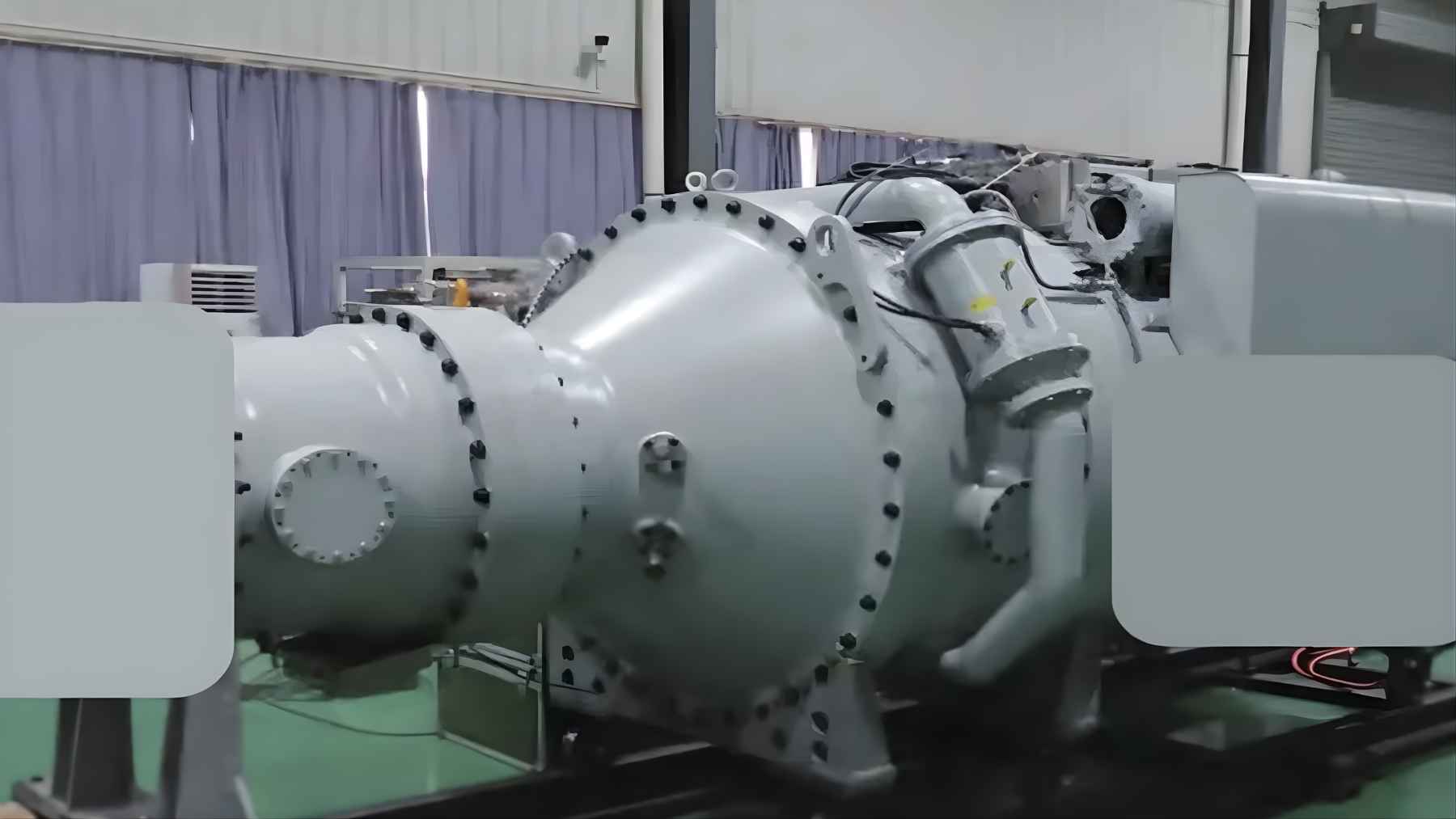
Turbine is the main mechanism that converts the kinetic energy of flowing water to a rotary motion using a mechanical device. Water turbine is generally located in a wider area called a penstock which serves large, massive hydroelectric power plants (just like this one which is being produced in Indonesia).
The water is then diverted through the penstock into the wells where it has a tremendous effect on the turbine’s blades. As the water enters the turbine, it pushes into the blades that make them spin and creates mechanical energy with this movement.
This mechanical energy is then coupled to an electromagnetic generator inside. The generator utilizes rotating magnets that create a magnetic field to induce electric current in the coil of wire surrounding it. The generated current in this way is referred to as direct current (DC) but further passes through an inverter to convert it into alternating current (AC) for its use in homes and industries. Hence this is how movement of water gets translated to usable electricity.
Dams: Creating floating waterfalls for sustainable energy
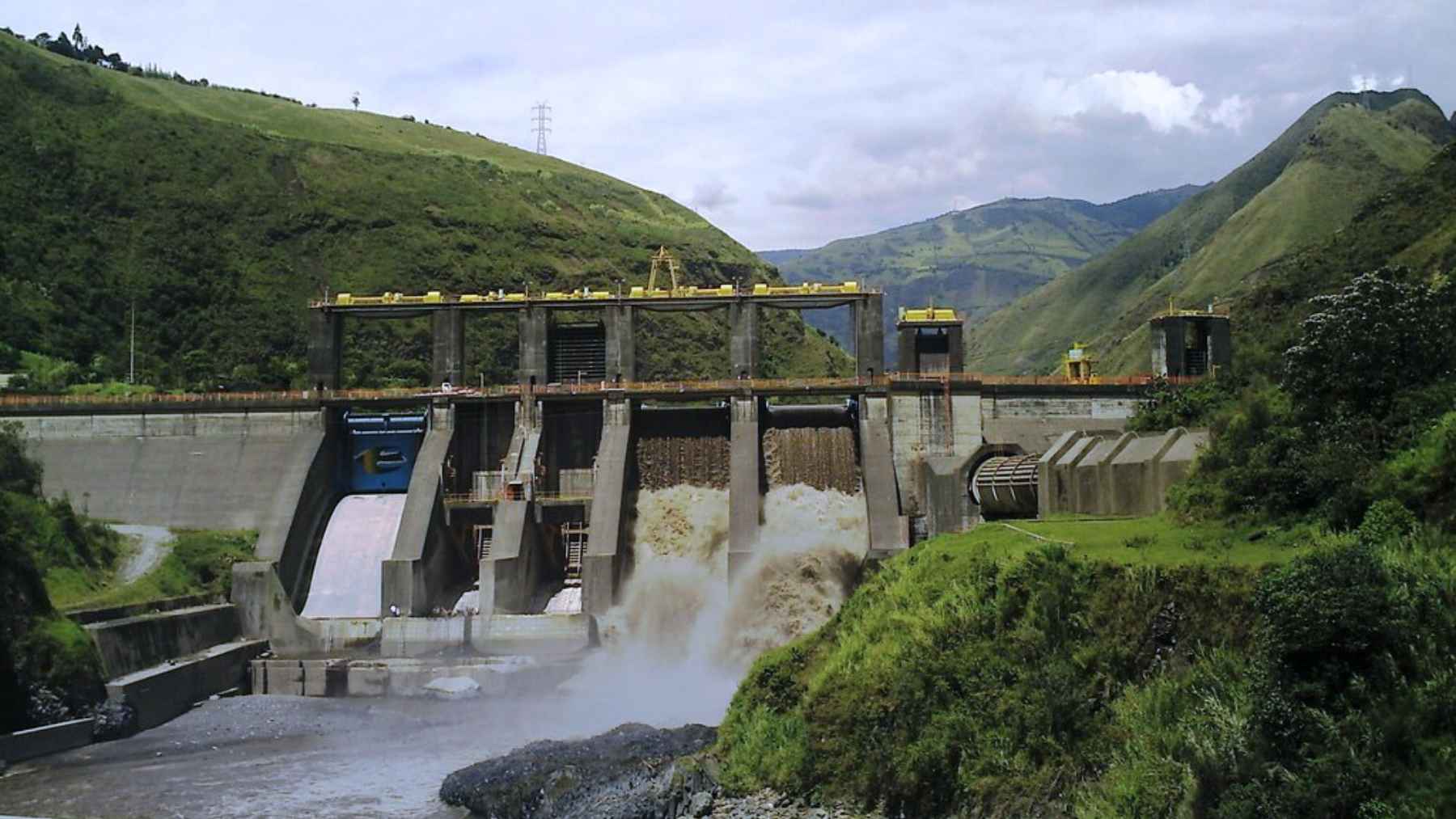
Most hydroelectric power generation is from dams that imitate artificial waterfalls by storing water in reservoirs and releasing it under control through turbines to increase its efficiency compared with natural waterfalls. Dams ensure reliable energy production, but they come with disadvantages such as damage to the ecosystem and displacement of people.
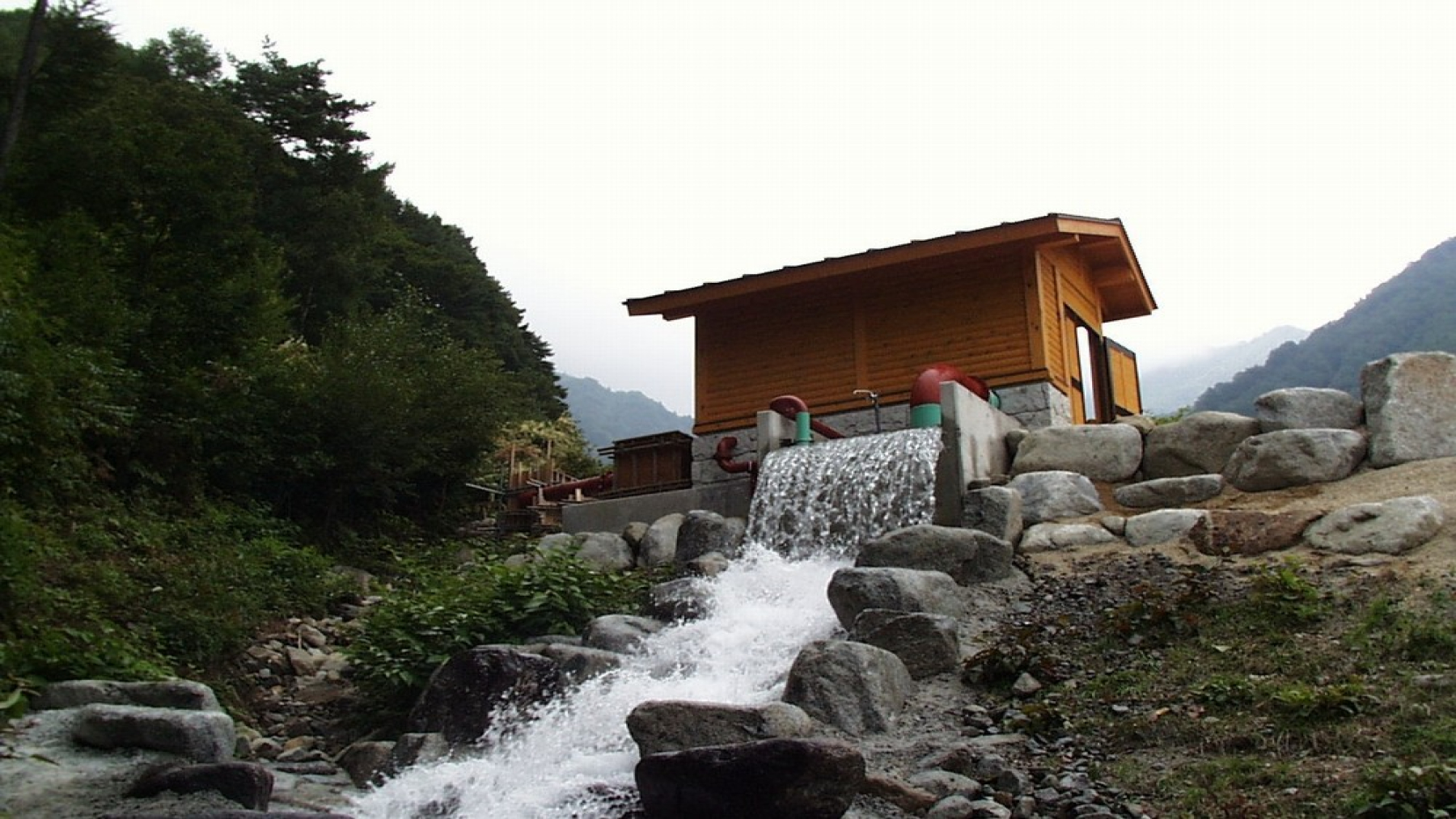
Alternative systems like run-of-the-river are gaining attention as ways to mitigate the impacts of dams. Developments in turbine technology will improve efficiency and lower environmental costs. Integration of hydropower with solar and wind could develop a highly resilient energy grid, opening areas for clean energy access, especially in remote areas.
Most hydro power come from dams that store water in reservoirs and release it through turbines at controlled speeds thereby increasing its efficiency to that of natural waterfalls. Dams give reliable energy, but it has its drawbacks such as disruption to the ecosystem and even resettlement of people.
To reduce impact, new alternatives like run-of-river systems are drawing interest. Appropriate advancements in turbine technology would further improve efficiency and minimize environmental costs. The integration of hydropower with solar and wind could produce the most resilient energy grids and increase access to clean power, mainly in remote areas.
Waterfalls are one way that harness flowing water on its natural path and convert its energy into electricity by spinning turbines. The same principle – turning kinetic energy into electricity – is applied whether one uses nature’s own waterfall or constructs a dam for the purpose. As technology keeps improving, hydroelectric power remains a highly efficient (such as this one from America’s best-known river which is surprising scientists), renewable source in the battle towards a greener future around increasingly cleaner energy.