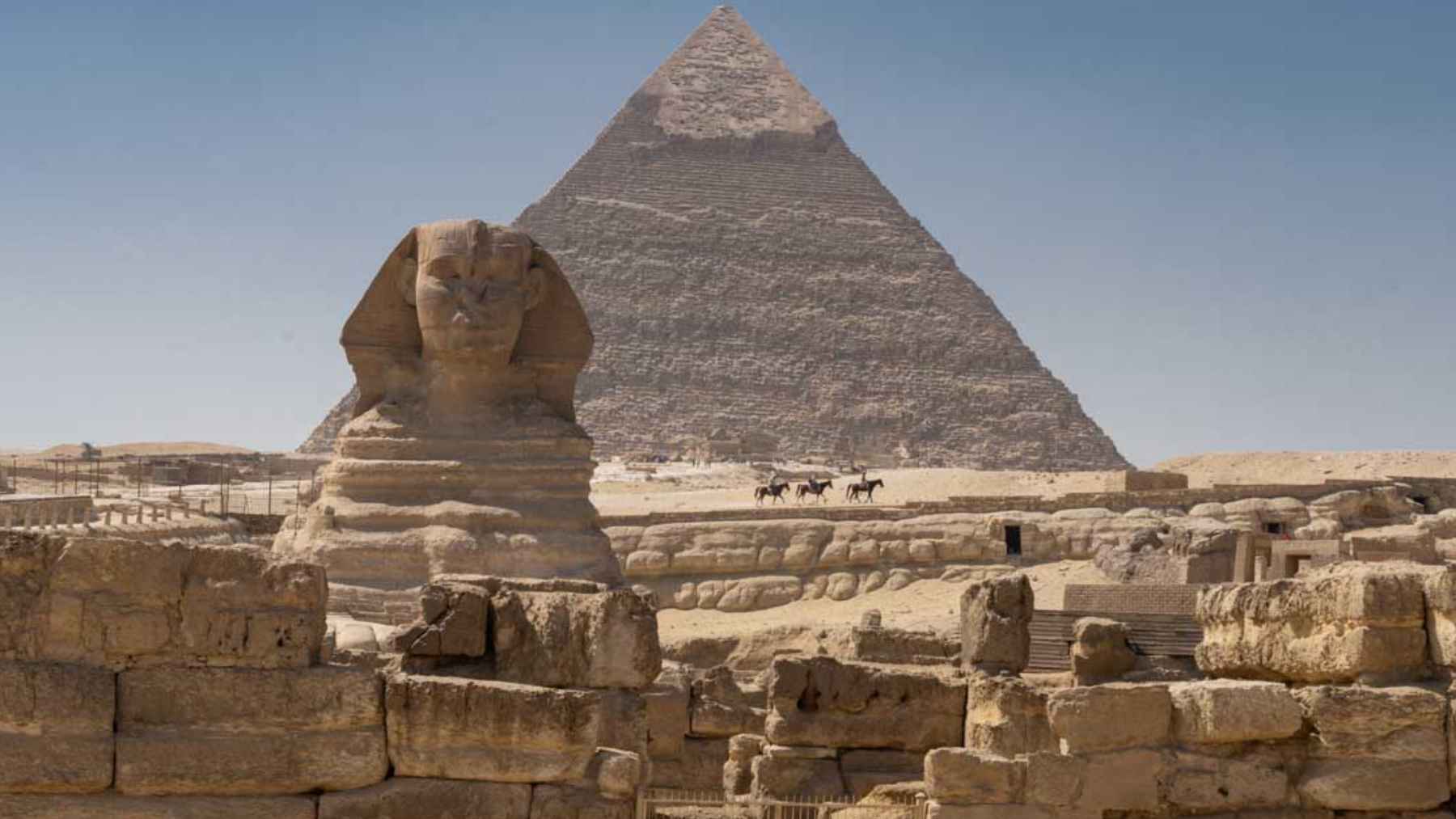
Could one of the world’s most studied ancient sites still be hiding giant underground structures? A radar-based claim tied to the pyramids at Giza says it might, arguing that satellite data may point to buried chambers and deep shafts below the stone without digging into the ground.
But the story is not as settled as the headlines make it sound. Specialists say these images are interpretations of signal patterns, not a direct underground view, and some of the most viral retellings have blurred the Great Pyramid of Khufu with nearby Khafre, where the boldest 2025 presentation was actually focused.
How the radar claim was built
Synthetic aperture radar, or SAR, works by sending out pulses of energy and measuring what bounces back. In the peer-reviewed paper most often linked to this debate, Corrado Malanga of the University of Pisa and Filippo Biondi, then listed with the University of Strathclyde, used COSMO-SkyMed satellite data and argued that their method could model parts of the Great Pyramid’s interior and nearby subsurface features.
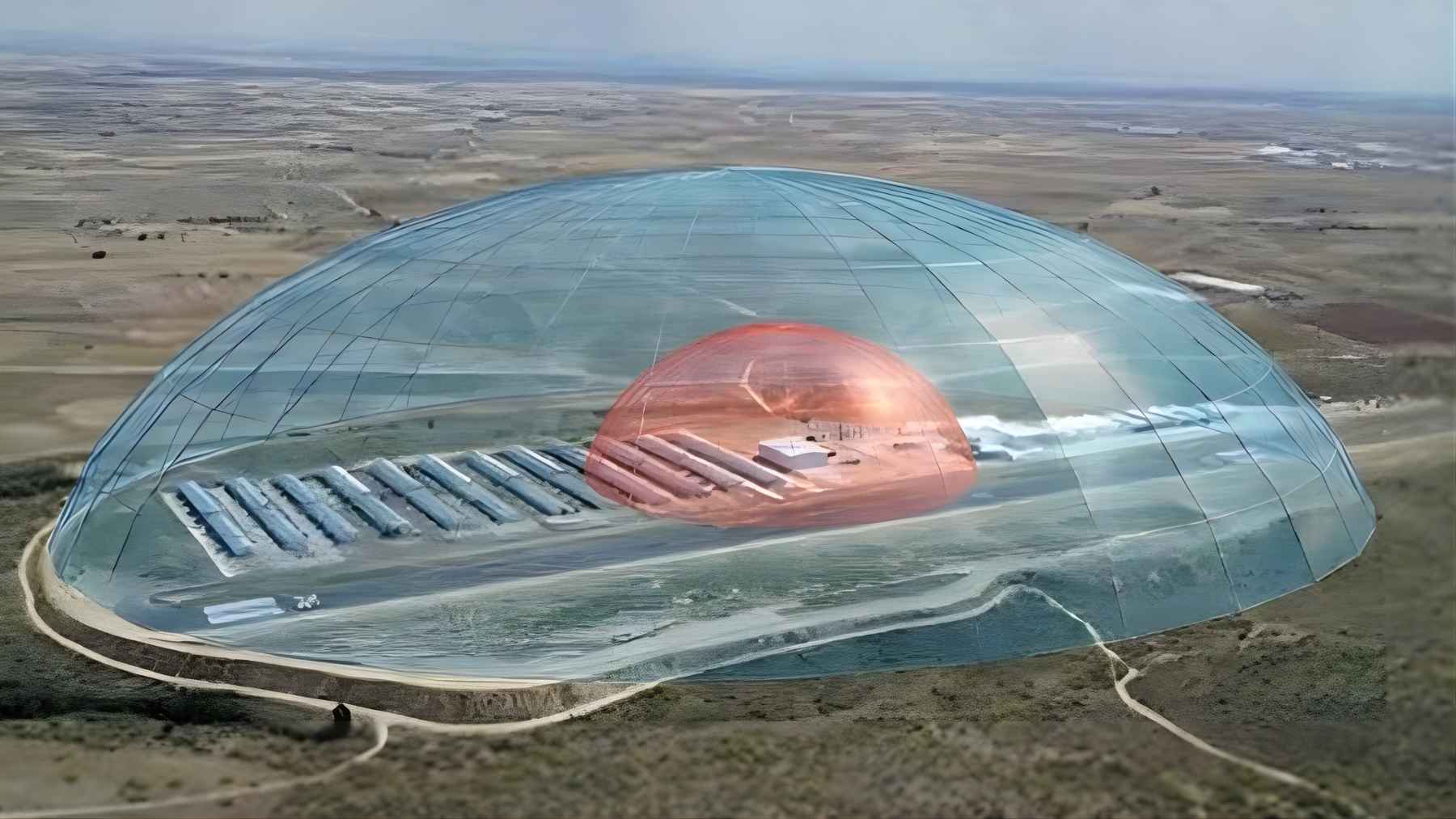
The newer version of the claim goes much further. In the most widely shared descriptions, the team says the data show five connected structures above a set of eight shafts that lead to two huge cube-shaped chambers deep below the pyramid zone. That kind of image travels fast on social media.
Still, even the earlier radar paper showed why this is not simple. The authors noted that their measurements did not cleanly separate solid material from empty space, which means shapes in the model are not the same thing as a confirmed room you could walk into.
Why many experts are not convinced
Critics say SAR is powerful, but it is not a magic X-ray machine. NASA describes it as a tool for creating detailed images of Earth’s surface, while radar expert Lawrence Conyers said the underground city narrative was “a huge exaggeration,” and former antiquities minister Zahi Hawass called the rumors “fabrications.”
There is also a geology issue. Studies of the Giza area describe limestone, fractured layers, groundwater, and earlier geophysical surveys that were already looking for shafts, tombs, and tunnels in the bedrock around the pyramids and the Sphinx. In practical terms, that means an odd shape in the data does not automatically equal an ancient engineered chamber.
That does not mean every hidden-space story at Giza is fantasy. A 2017 Nature study reported the ScanPyramids Big Void inside Khufu’s pyramid, and a 2025 Scientific Reports paper confirmed the North Face Corridor using several non-invasive methods that lined up with each other. That is why this new radar claim is getting attention, but for now it remains a provocative possibility, not a settled discovery.
The main peer-reviewed study behind this radar-based line of research was published in Remote Sensing.