Traditional wind turbines have long been criticised for their environmental impact. Could the solution lie in this new means of harnessing the wind for power 750 meters in the air?
The current state of wind power in the world
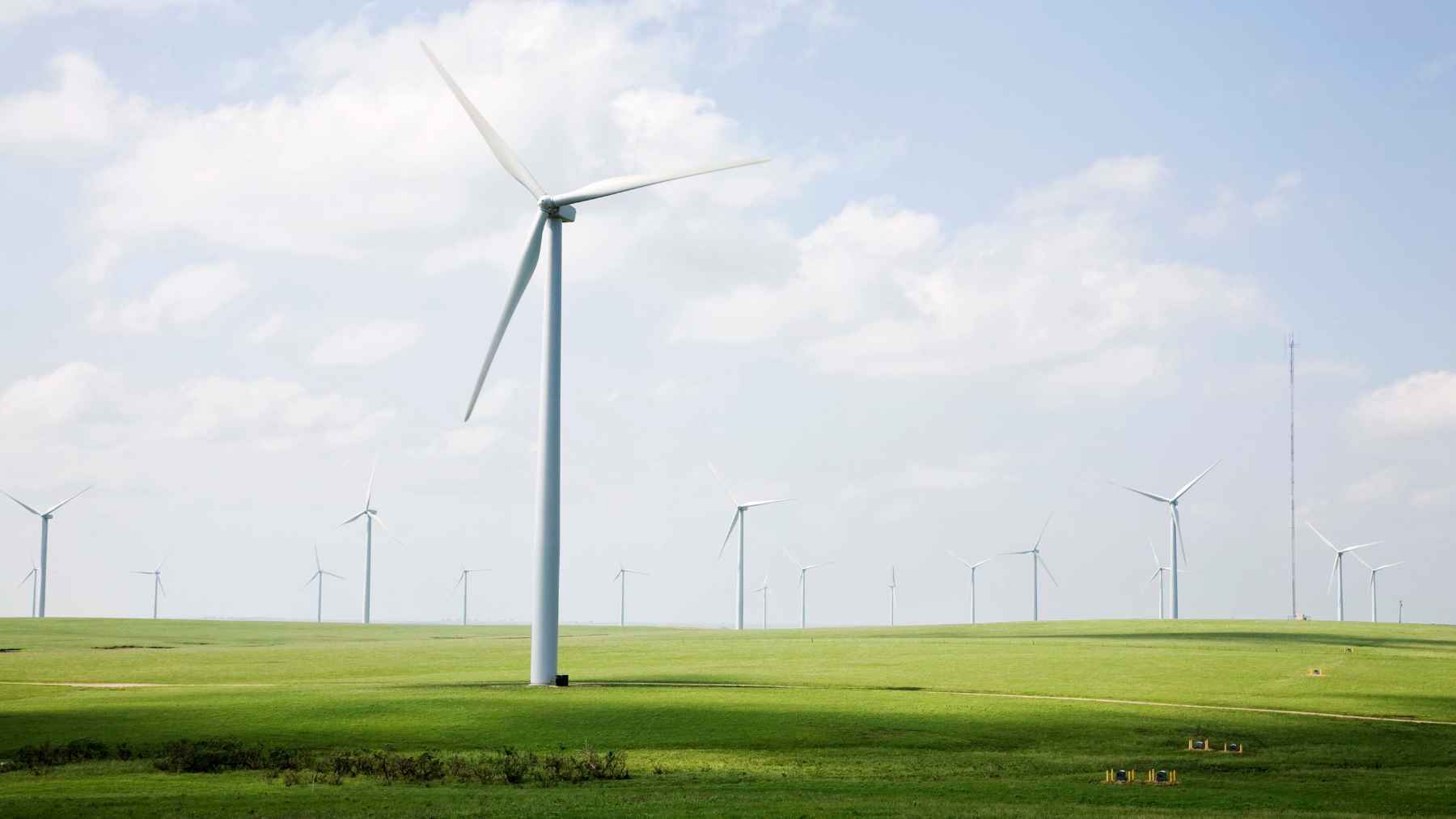
At the moment, the generation of wind power is dominated by wind farm infrastructure. Wind turbines have come under fire throughout their history for their enormous need for open land. The average wind farm requires approximately 10 times the amount of space as a coal or natural gas power plant to produce the same amount of electricity.
Wind farms have been met with criticism and protests by those who live near them due to the threat they pose to the birds of the area and to the biodiversity that is disrupted when land is cleared to make way for these wind farms.
An exciting airborne solution to the problems faced by wind power
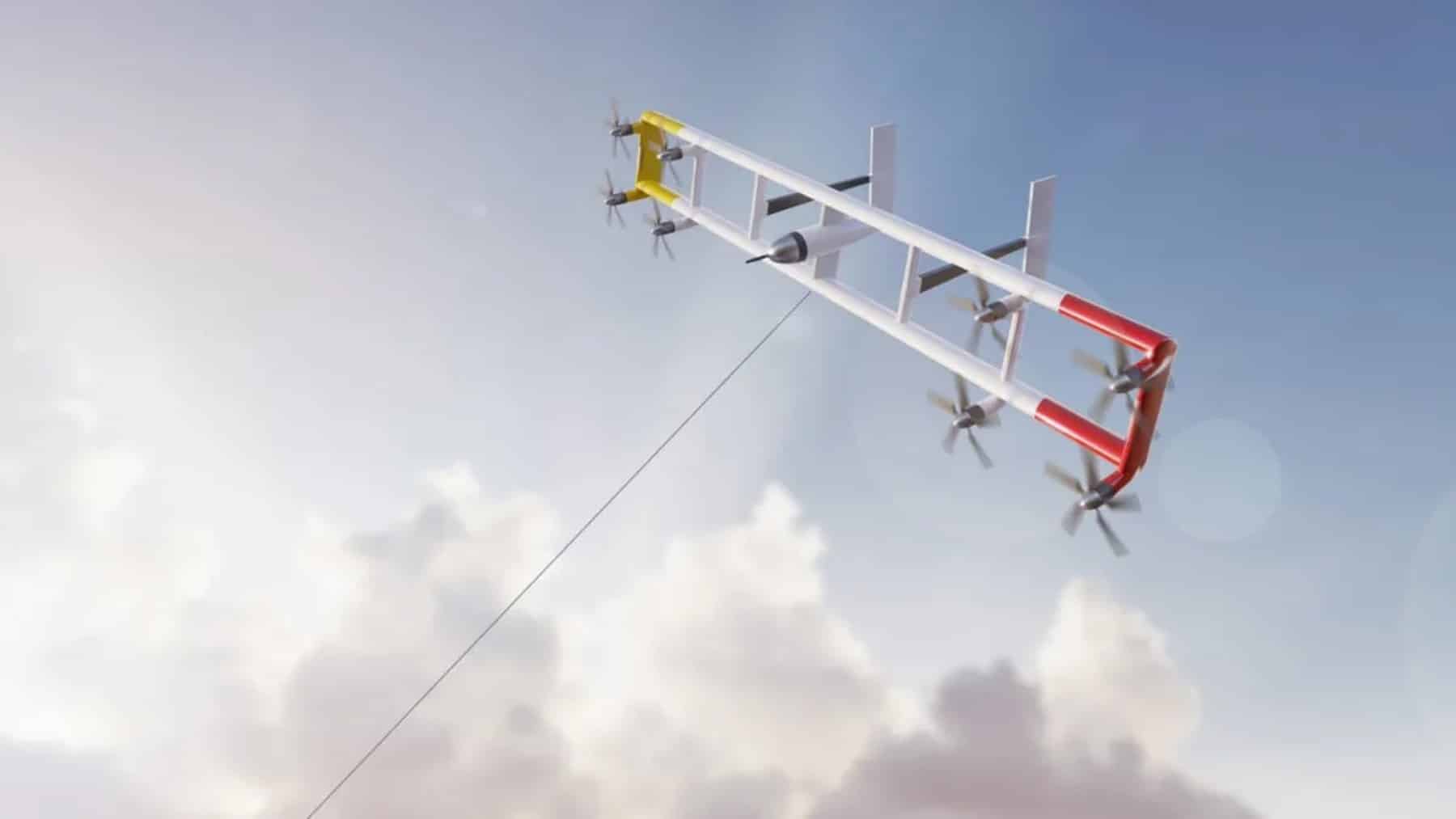
The German startup SkySails Power launched their debut sail over Mauritius in December 2021. The sail flies to a height of 400 meters (reaching the end of its tether), at which point it is programmed to be pulled back down to 200 meters and begin its ascent once more.
As the sail flies higher and higher, the tether on the ground unwinds. The kinetic energy produced by the tether’s movement is converted into electricity. This experiment is by no means the first to take to the skies to harness the wind (see this drone that can produce energy in your backyard), but it is certainly making waves.
Through this experiment, it was established that this single sail can power up to 50 Mauritians’ homes. Given that this technology is still in its infancy, 50 homes is no small feat.
How can these sails revolutionize wind power as we know it?
Unlike the wind farms that have defined what we think about when we think about wind power, these sails do not require large expanses of land on which to be built. Traditional wind farms work best at high elevations. This limitation keeps wind power from being a viable option for renewable energy in low-lying areas.
Because the sky sail can reach heights of 750 meters, it can operate just about anywhere, including over the deep ocean where wind is often at its strongest. The electricity generated by these sky sails, because it can be generated anywhere, does not need to be transported over long distances to towns and cities. This quality of the sky sail could dramatically reduce the cost of wind power and make it a more viable (and popular) source of renewable energy.
This could be the solution we have been waiting for, but is there a catch?
Because these sails are airborne and tethered to land, they are subject to the laws governing both land and aerospace. If the sails were to surpass 750 meters in the air, they could become an obstacle to air traffic in the area and become a hazard. Additionally, there are currently no laws governing this kind of technology.
Scientists engaged in the project are quick to point out, however, that laws often fail to keep abreast of emerging technology. It is only when the technology is created that laws are passed to enable it to function.
Some are also concerned that these sky sails will pose a similar threat to wind farms in their potential to harm birds and detract from the aesthetics of an area.
What is the future of these sky sails and what do they mean for the industry?
Despite these limitations, the future of these sky sails is promising. SkySail Power is considering the potential of their sails for 4000 areas in Germany that are unsuitable for traditional wind farm infrastructure.
As laws catch up with this emerging technology, its potential to function as a viable source of renewable energy will only grow. All we can do is keep up to date with exciting developments in the field of wind power (like this fence that harvests the power of the wind).