Finland is heading into another icy day where the cold is not just outside the window but also reflected on the electricity bill. Spot prices on the electricity exchange will jump on Thursday, with the highest quarter hour reaching 36.9 euro cents per kilowatt hour for customers whose contracts follow the market.
The spike comes as weak winds and frozen turbine blades cut into local wind power production, while heating demand climbs in subzero weather.
According to the grid company Fingrid, wind power will only be available at a capacity of a few hundred megawatts throughout Thursday, so Finland will lean heavily on imports from Sweden. So what exactly is going on behind that number on your phone app?
Cold weather sends spot prices higher
For Thursday, the average spot price of electricity on the exchange, including value added tax, is 25.9 euro cents per kilowatt hour. On Wednesday the comparable figure was 21.9 cents, so the increase is sharp in just one day. For many homes on hourly spot contracts, that difference quickly shows up in monthly costs.
The most expensive quarter hour is early in the morning, shortly before eight, when many people are waking up, turning on lights, and cranking up electric heating.
During that brief window the price peaks at 36.9 euro cents. The cheapest electricity comes around five in the morning, when demand is low, at 12.5 cents per kilowatt hour.
Looked at over a longer period, the jump is even more striking. The average spot price for January so far is around 14 cents per kilowatt hour, while in December it was only about 4.5 cents. In practical terms, that means Thursday stands out as an expensive outlier in what had been a relatively cheap winter for many Finnish households.
Wind turbines struggle with ice and weak gusts
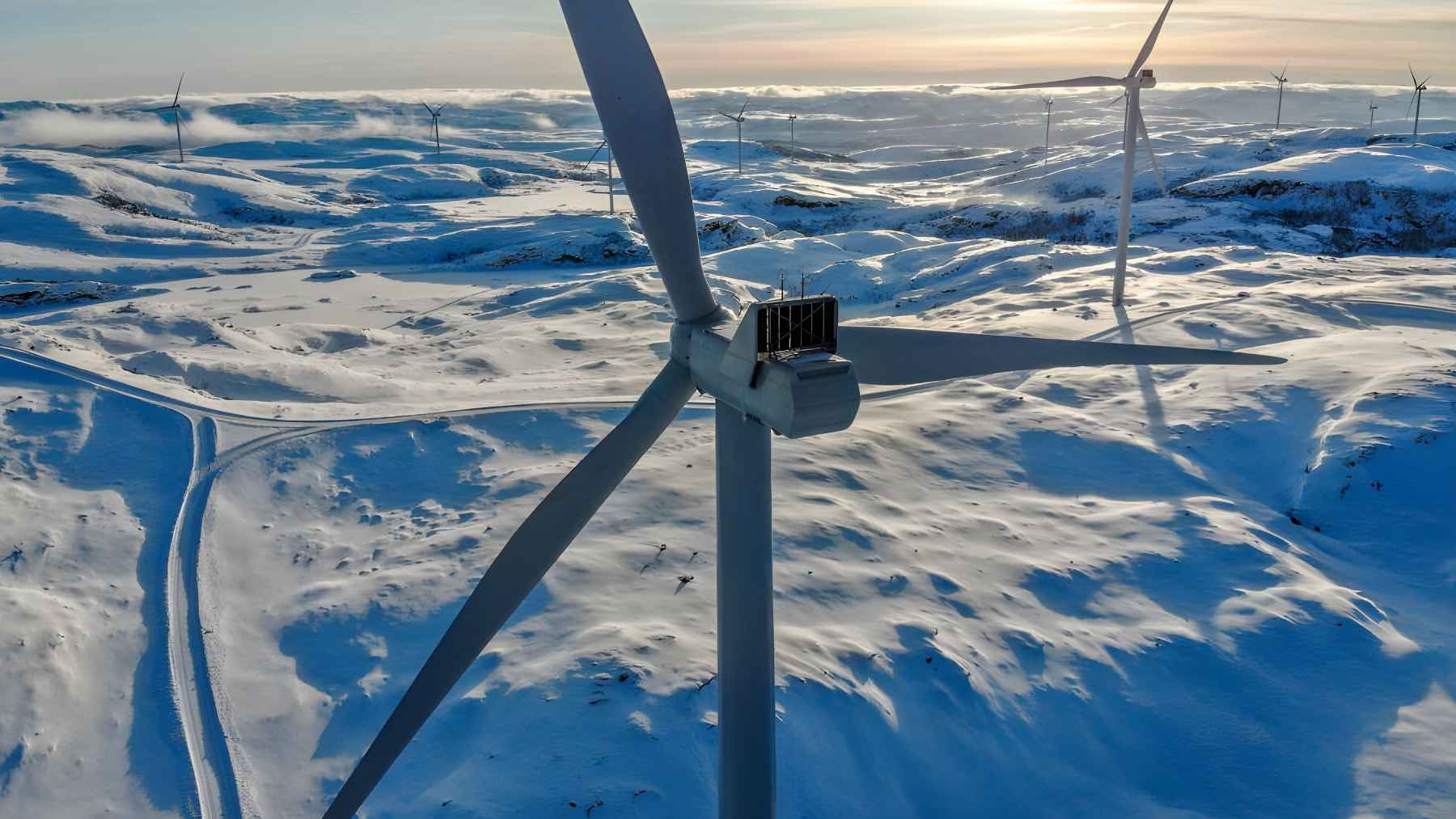
Finland relies more and more on wind power, especially in the open landscapes of the west coast and the north. This week, though, those sleek turbines have run into a very down-to-earth problem. Moisture in the air has frozen on the blades, and operators have had to shut units to avoid damage.
Maarit Uusitalo, a unit manager at Fingrid, says the icing problems on the blades have not eased. She notes that there is hardly any usable wind available, which means that even turbines that can technically run do not generate much electricity. For the most part, the wind fleet is simply not able to step in during this cold spell.
The result is that wind power production has stayed low all week and will remain low on Thursday.
Fingrid expects only a few hundred megawatts of wind capacity to be available, a modest share compared with what the country usually gets from its turbines on a breezy winter day. When that happens, the rest of the power system has to pick up the slack.
Sweden steps in as Finland imports more power
When domestic wind production drops and heaters are working overtime, Finland turns to its neighbors. Fingrid says that if there is effectively no wind power in Finland on Thursday, electricity will be imported from Sweden as much as the transmission lines can handle. Think of the Nordic grid as a kind of shared battery that everyone taps when the weather hits.
In an earlier winter adequacy assessment, Fingrid estimated that on a very cold and calm day Finland might need around fifteen thousand megawatts of power, of which domestic plants could cover roughly twelve thousand megawatts while about three thousand megawatts would have to be imported from countries such as Sweden and Estonia.
That kind of backup is crucial when wind parks are almost at a standstill and demand for heating is still rising.
Why a new consumption record looks unlikely
Earlier in January, Finland set a new record for electricity use when average consumption reached about 15,110 megawatts during one hour. That record came during a cold spell, but prices on the exchange stayed moderate. Many district heating companies were able to run electric boilers because power was cheap enough, which pushed demand up further.
This time the situation is different. Uusitalo does not expect another consumption record, precisely because Thursday’s exchange price will be so much higher.
When electricity becomes this expensive, large users and many households adjust their behavior, shifting use away from peak hours or cutting back altogether, at least to some extent.
What this means for households this winter
For people with spot priced contracts, the message is clear. Using a lot of electricity during the most expensive morning hours on Thursday will cost significantly more than shifting laundry, dishwashers, or electric vehicle charging into the cheaper night period.
At the end of the day, this kind of demand response is part of how the modern power system keeps the lights on without running out of capacity.
The broader picture is still mixed but not alarming. January’s average price near 14 cents per kilowatt hour remains lower than many feared heading into winter, and supply is expected to remain sufficient as long as major plants and cross border connections keep working.
Experts warn, however, that a grid that depends heavily on the weather will continue to see episodes like this, where a few icy days and calm winds quickly show up in the price of keeping homes warm.
The main winter adequacy outlook has been published by Fingrid, Finland’s Transmission System Operator.