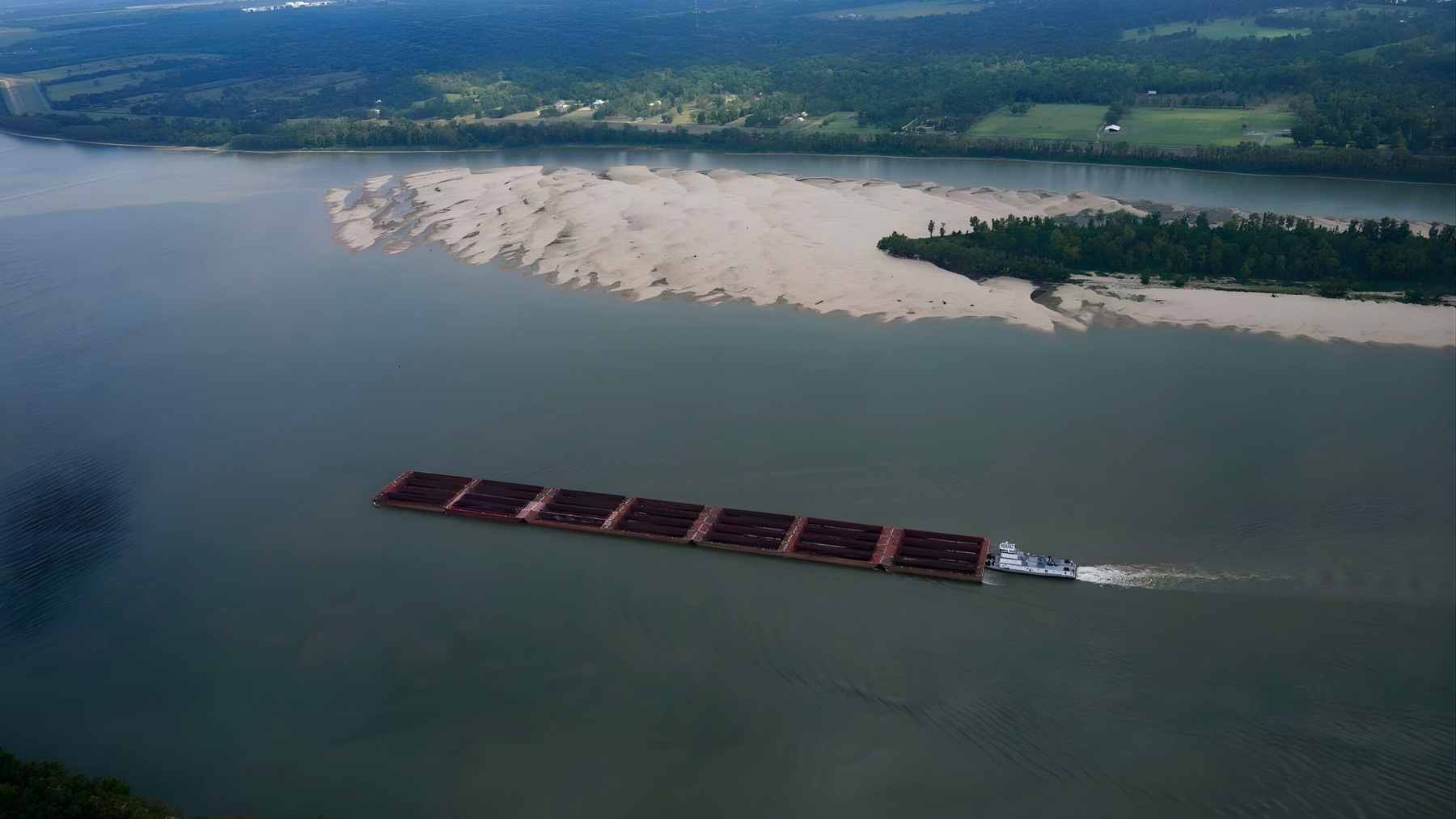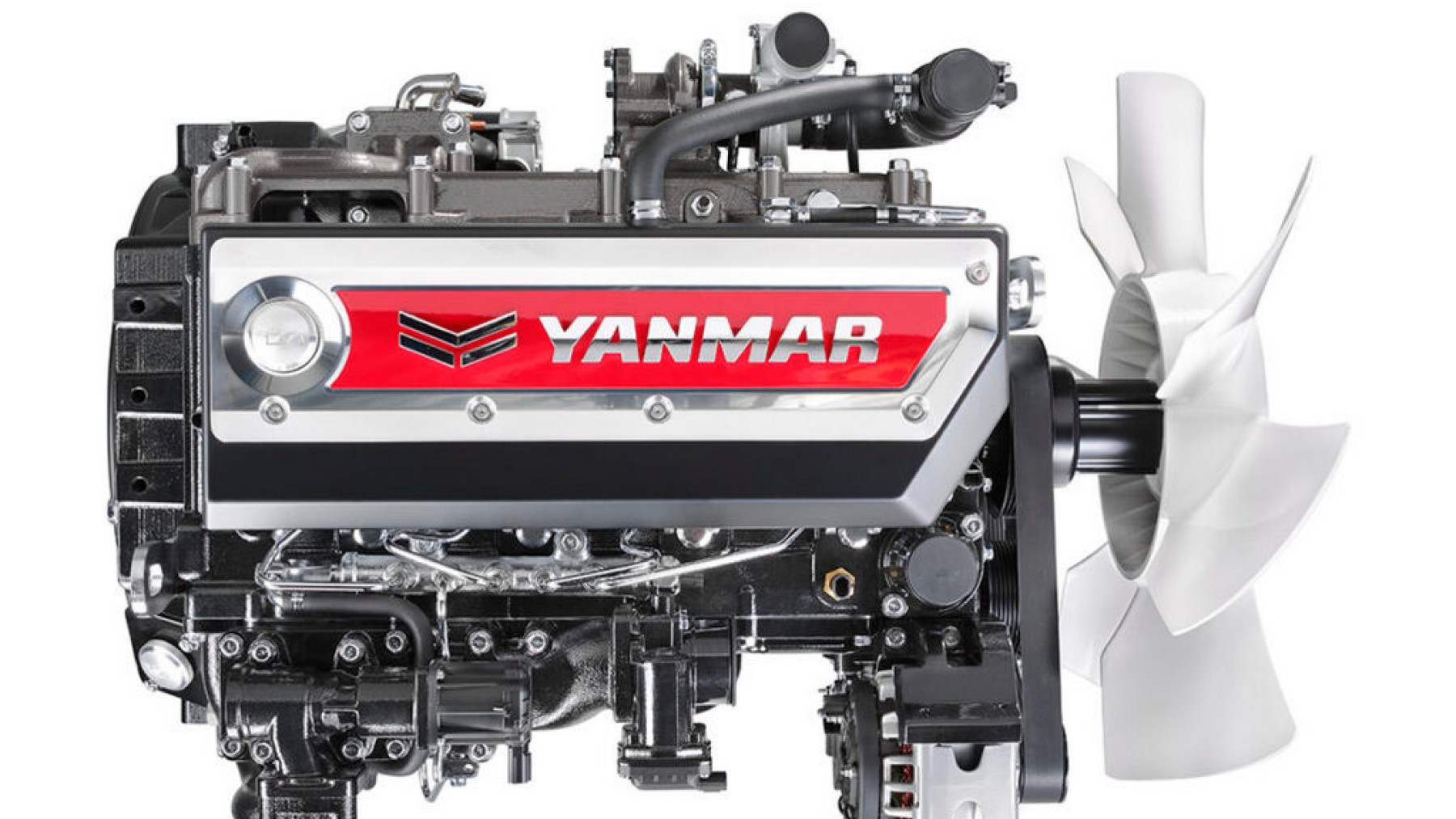
The zero-emission industry has long since ceased to be for cars exclusively (although you may have seen them even with nitrogen engines). However, other vehicles are innovating and reaching the decarbonization segment. You will see one of them now and not believe it because it is one of the most polluting: this is the 4-cylinder hydrogen engine that nobody understands.
Experts are on edge with this new hydrogen engine: it won´t be for cars.
Yanmar Power Technology Co., Ltd. (YPT), affiliated to Yanmar Holdings Co., Ltd., recently declared the latest big project to come up as a hydrogen-fueled 4-stroke high-speed engine for power generation in coastal vessels for the Nippon Foundation’s “Zero-Emission Ship Project”.
This new generation engine that produces no CO2 during combustion is a small move towards eliminating carbon within the coastal shipping market in the year 2050. Hydrogen is to be used as the primary fuel in the YPT’s new car engine as it is ignited without the analysis emanating from CO2.
In addition to the hydrogen engine development for naval application, YPT’s research agenda includes the design and collaboration necessary to develop a hybrid electric propulsion vessel with generators and batteries compatible with hydrogen engines.
How was this engine developed? Decades of research to create a 100 % hydrogen engine
This type of vessel design uses a container unit-type hydrogen power generation system on the upper part of the vessel. In this way, the flexibility of the ship can be attained. The formation and construction of the boats are set to be handled by Uyeno TransTech Co.
YPT has strategically proposed the commencement of onshore verification tests in 2024 using six 6-cylinder hydrogen engines with pilot ignition and aims to perform verification operations by 2026. At the same time, on a shore facility, YPT will conduct verification tests using a spark ignition hydrogen-only engine.
Specifically, YPT plans to reach the objective of near-zero emissions for coastal vessels by spearheading hydrogen energy-based ship propulsion technologies by approximately 2030. In furtherance of this objective, the firm proposes to design and create a pilot ignition engine using a small quantity of pilot biofuel.
150 years of experience in revolutionizing the seas with new, futuristic fuel
The Nippon Foundation-initiated “Zero-Emission Ship Project” aims to adopt hydrogen-powered ships necessary for making the coastal shipping business reach carbon neutrality by 2050. With this project in mind, YPT intends to establish the production of hydrogen-powered vessels.
YPT’s effort aligns with Yanmar’s vision of realizing more sustainable marine operating systems. It demonstrates the company’s plan to improve the creation of armor technologies to support a progressive maritime economy.
Be it contracting or marine equipment, agricultural machinery, or generators, Yanmar has been a world leader in Industrial Equipment since 1933 and is also credited with the invention of the marine diesel engine. The Uyeno Group is comprised of the principal company, Uyeno TransTech Co, as you have recently seen.
It has been invested in the business sphere associated with transportation, storage, and sale of petroleum and chemical products and the solar energy and marine environment business activities. We found that with more than 150 years of experience in operations, the Uyeno Group has provided immense social contributions.
The truth is that, even over the sea, the 100% green fuel revolution is coming. Proof of this is this 4-cylinder hydrogen engine that has the experts in shock and one country particularly worried: Malaysia, which intended to lead in the green ammonia industry but has now changed its plans. Will we see a change in the trend in the oceans as well?