Imagine sending a box full of viruses and bacteria into orbit and letting them battle it out above our heads. That is essentially what a team from the University of Wisconsin Madison did with help from NASA on the International Space Station.
Their conclusion is striking. In microgravity, viruses that attack bacteria evolved in unusual ways and some came back to Earth better at killing strains linked to stubborn urinary tract infections that normally resist standard treatments.
The experiment focused on a well-known bacteriophage called T7. Phages are viruses that infect bacteria, not humans. Two sets of Escherichia coli were infected with T7. One set stayed in a lab on Earth.
The other spent up to twenty three days in sealed vials in orbit. In space, infections started more slowly because fluids do not mix and swirl as they do under gravity. Viruses and bacteria simply do not bump into each other as often.
Genetic mutations and an evolutionary arms race in orbit
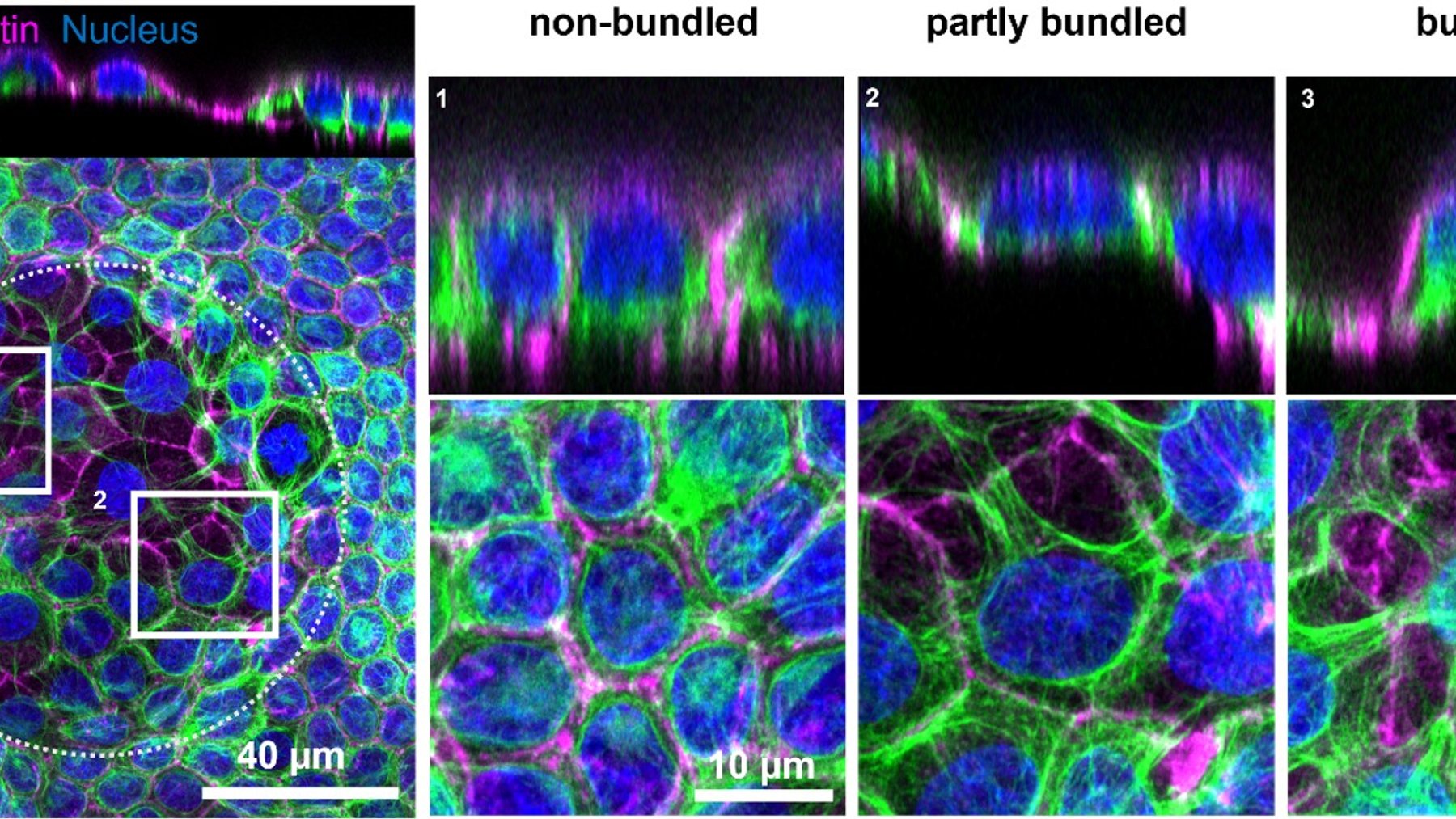
That slower start created a new kind of pressure. To survive, both sides had to adapt. Genetic analyses showed that the space-flown phages accumulated mutations across their genomes, especially in regions that help them latch onto bacterial receptors.
At the same time, the E. coli cells changed their outer membrane genes, tweaking the very structures that phages grab onto and adjusting to the stress of microgravity. Scientists describe this as an evolutionary arms race that took a different path in orbit than it does on Earth.
Back on the ground, the team tested these space selected mutants against tough targets. Using a technique called deep mutational scanning, they built libraries of T7 variants shaped by microgravity and challenged strains of E. coli that cause urinary tract infections and usually shrug off normal T7.
The space-tuned phages showed clearly improved activity against those resistant strains. Lead investigator Srivatsan Raman called that result a pleasant surprise and admitted the team had not expected the space mutants to perform so well on Earth.
Antibiotic resistance and why this research matters
Why does this matter beyond a cool space story? Because antibiotic resistance is already one of the biggest health threats worldwide. The World Health Organization estimates that bacterial antimicrobial resistance was directly responsible for about 1.27 million deaths in 2019 and contributed to nearly five million deaths overall.
Misuse and overuse of antibiotics in people, livestock and crops are key drivers of that trend, a concern echoed by new warnings about emerging bacteria such as those linked to Andean fever in the Amazon region.
Phage therapy is one possible way to ease that pressure. Phages can be extremely specific, targeting a problem bacterium while leaving helpful microbes alone. In practical terms, that could mean fewer broad spectrum drugs washing through hospitals, farms and wastewater and less collateral damage to ecosystems and human microbiomes.
Researchers say microgravity acts as a special filter that highlights genetic solutions they do not usually see on Earth, which could guide the design of more precise and effective phage-based treatments, much like other projects that turn living organisms into advanced bio technology tools.
Space health risks and microbial monitoring for long missions
There is also a cautionary side. The same study notes that microbes adapt quickly in space and that similar evolutionary pressures could, in theory, favor traits we worry about, such as stronger drug resistance or altered virulence.
The current work did not show more dangerous human pathogens, but the authors argue that future missions should actively track how microbes change inside closed habitats like the space station or a future Mars transit vehicle. For long duration crews, that kind of microbial housekeeping may be as important as air filters or recycling systems.
At the end of the day, one small box of viruses and bacteria in orbit has delivered promising tools in the fight against resistant infections on Earth.