The lithium deposit found in the McDermitt Caldera mine, which is on the border of Oregon and Nevada, is enormous and could change the lithium market for good. This article focuses on the specifics of how this deposit was formed, how it could alter the lithium market, and the issues that come with its mining.
The McDermitt Caldera: A geological marvel with a rich history
The McDermitt Caldera is 16.4 million years old, and this specific caldera formation measures 45 kilometers in length and 35 kilometers in circumference. The McDermitt Caldera eruption is believed to be larger than the Mount Saint Helens eruption by volume and dates. The volcanic eruption gave birth to this caldera and filled it with sodium and potassium. Over the years, a Bethesda filled with calm water began forming in the caldera, eventually drying out due to volcanic activity.
This dry water bed made the potassium and brines seep into clay bed soils, resulting in lithium-rich clay sediment. There is an abundance of lithium at Thacker Pass kept in a clay bed, which is what fuels the volcanoes, too. New research conducted by Lithium Americas Corporation, GNS Science, and Oregon State University suggests that the McDermitt Caldera has the potential for the largest lithium reserve on the planet.
Lithium contained in the caldera is estimated to be between 20 to 40 million metric tons, which is far higher than the previously largest known deposit in Bolivia’s Salar de Uyuni, which alone has 7.5 million metric tons. Given lithium’s importance in developing green technologies, such as batteries and e-vehicles, this discovery has the potential to shift the direction of the lithium industry. Moreover, if such a high lithium concentration is present, McDermitt Caldera may contribute to reducing dependence on imported lithium from China.
Mining the McDermitt Caldera: Controversy and Challenges Ahead
It is important to note that mining in the McDermitt Caldera is not without its controversies. This area is considered sacred by a variety of Indigenous groups; Peehee Mu’huh has been the battlefield for many conflicts that took place between Native Americans and US soldiers. For this reason, many indigenous groups have deemed proposed mining operations as “green colonialism.”
Mining in the caldera poses greater risks, such as interrupting the region’s existing water ecosystem and levels that are vitally important to the surrounding farmers and wildlife, such as ranchers, pronghorn antelope, golden eagles, and sage grouse. The finding of the acid-salt type McDermitt Caldera will likely impact the lithium markets worldwide.
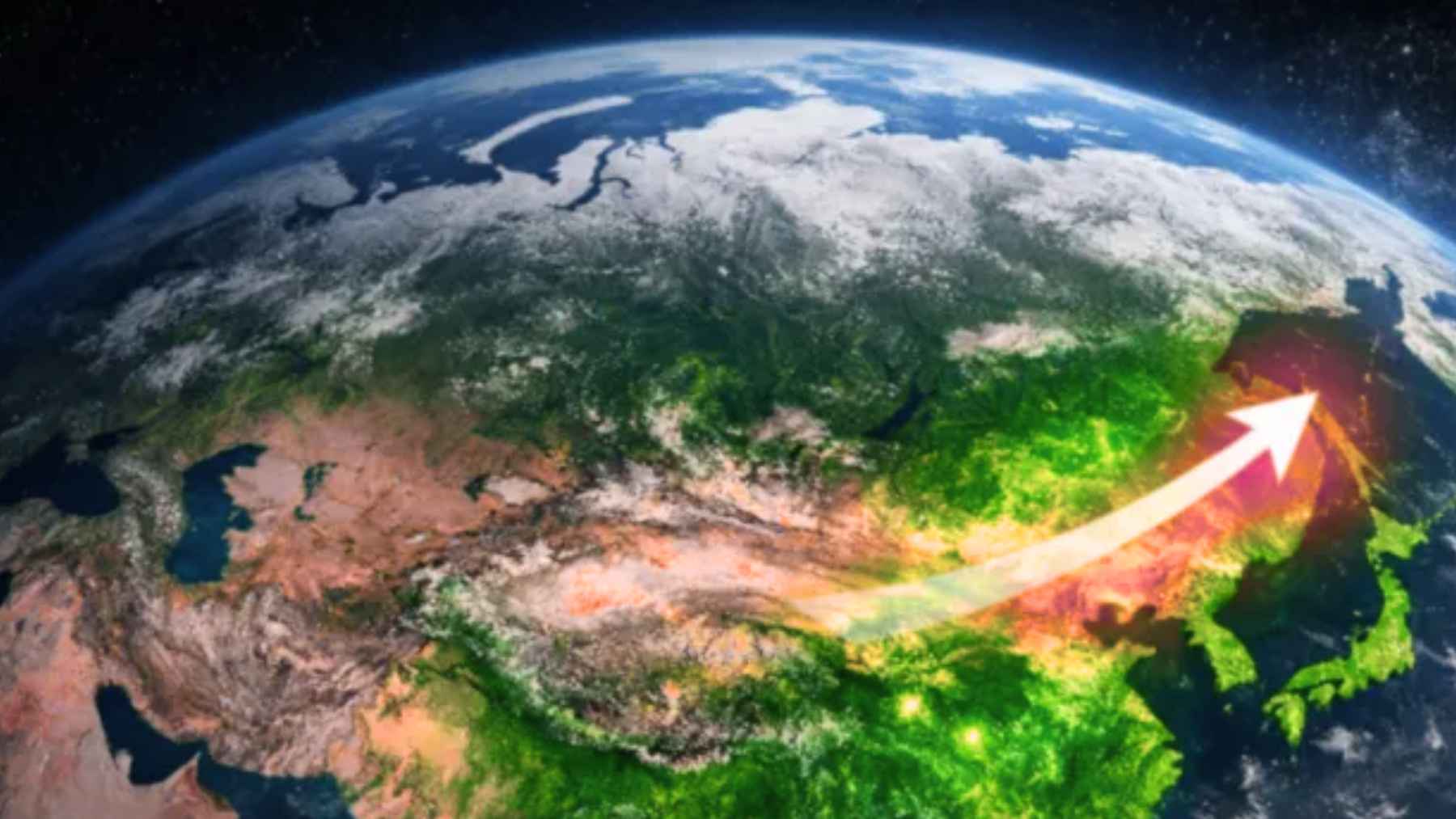
Currently, China has a stranglehold on the lithium supply chain as it controls most of the world’s production and processing of lithium. If the U.S. had a competitive lithium source, it could lessen the reliance on Chinese lithium and boost supply chain agility. This would dismantle China’s monopoly, in which she has a severe stranglehold over America.
The global impact on the lithium supply chain and the future of green technology
This can also increase competition and foster innovation and further investment in production and energy independence. Furthermore, enhancing the availability of lithium might reduce expenses, making buying green technologies easier, such as electric vehicles and storage for renewable energies. Although necessities like mining operations must be addressed to maintain utmost environmental and cultural concerns while ensuring compliance with extraction practices.
There is a pronouncing opportunity, and on the other a looming responsibility. Geologically, the McDermitt Caldera is rich in lithium, making it one of the most sought-after destinations. However, the United States needs to understand that with opportunity comes challenges. Although this discovery intends to revolutionize the market, America needs to consider the cultural and environmental implications that can arise from such extraction.
It will not only infringe upon the rights of the natives but can greatly damage the ecological balance of the sensitive region. Dealing with these challenges responsibly will enable the country to ensure that this important resource helps build a more sustainable and greener future without compromising on moral and environmental obligations.